BoredomBusted — Find Your Next Favorite Thing To Do
Discover hobbies, activities, places, and ideas that spark joy. Whether you're looking for something creative, active, social, or relaxing, BoredomBusted helps you find your next favorite thing to do.
Browse our hobby guides, things-to-do collections, and place ideas to never be bored again.
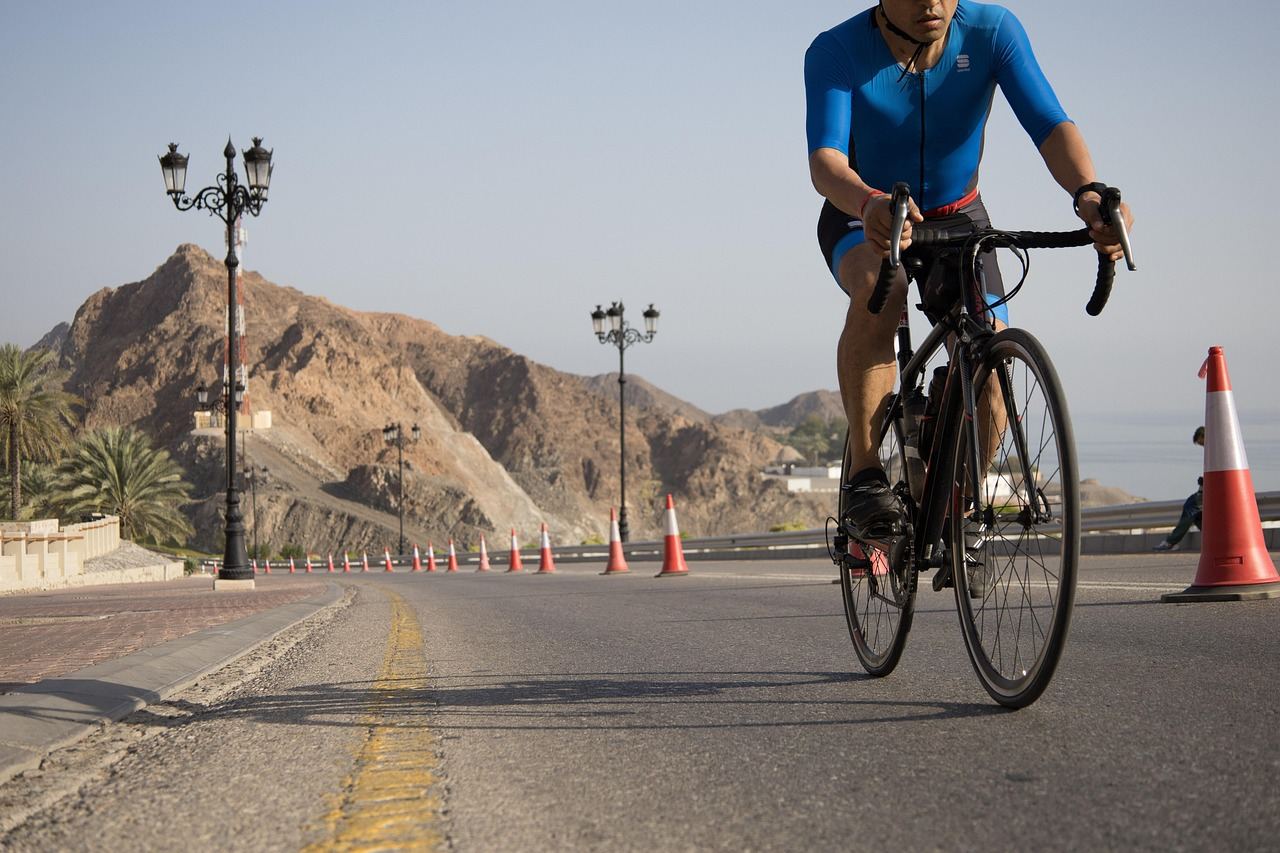
Road cycling isn't just racing in spandex; it's a social, strategic challenge that can be enjoyed on a budget-friendly bike without the elite gear hype.
Getting started with road cycling as a beginner offers a thrilling way to enjoy fitness, whether you ride solo, in groups, or participate in organized events.
Unlike mountain biking or casual cycling, it rewards efficiency: drop handlebars, lightweight frames, and sustained effort over miles make it a discipline built around speed and endurance rather than terrain or leisure.
Road cycling involves riding lightweight bicycles on paved roads, emphasizing sustained pedaling over distances of 20-100+ miles. Cyclists maintain an aerodynamic posture while applying consistent force to pedals, shifting gears to manage cadence, and incorporating varied efforts like hill climbs and sprints. Mental engagement includes monitoring bike computer data and navigating routes, often in…
Road cycling induces a flow state during prolonged rides by balancing challenge and skill, allowing riders to focus on the environment and physical demands, minimizing self-consciousness. Immediate feedback from metrics like wattage and heart rate aids in skill development, while a sense of accomplishment arises from tracking progress over time. Novelty from route changes and social dynamics enha…
You think road cycling is lycra-clad strangers drafting at 40 km/h on a highway. You think it requires a carbon bike that costs more than your first car. That's keeping most people from even considering it.
Road cycling is a thinking sport. Every hill, headwind, and group ride is a puzzle about effort, pacing, and when to push.
The social layer surprises many beginners. Casual group rides are some of the best ways adults make friends, and the pace is usually much more forgiving than you'd expect.
The gear obsession is real, but optional. A secondhand aluminum bike and a helmet give you 90% of the experience that a $6,000 setup does.
Take my friend who commuted from London to Brighton on a £300 hybrid bike he'd owned for eight years. No special kit, no training plan. He finished in under seven hours and said it was the best day he'd had in a decade.
Same road. Same distance. Completely different experience.
Now, can your body handle it? The answer involves less fitness than you realize.
Watching cycling on TV is misleading. It appears smooth, a dance of wheels and roads. On your first ride, expect your legs and lungs to rebel.
The real-world gap between how cycling looks and how it feels is stunning. You'll sense the wind more as an opponent than a soundtrack.
In week one, finishing even a short ride feels monumental. But you'll sit down and resist the urge to stand again.
Your sit bones will protest more than expected in week two. This discomfort is your new normal, challenging but temporary.
By the third week, shifting gears becomes second nature. Your eyes lift to the horizon, allowing for more fluid rides.
You'll surprise yourself in week four. Choosing longer routes feels natural, an emerging desire rather than a chore.
Sticking with it isn't about sheer fitness. Discovering that your "easy" gear has been two clicks away is real.
Before your first ride, ensure you know how to access your small chainring quickly. Many beginners inadvertently become exhausted by staying in a larger gear up hills. Avoid letting your knees dictate your rides by learning to shift early.
When to start: Early morning
Duration: 1 hour
Cost to try: $0
Success criteria: If you rode 30 minutes on a safe paved route, kept a steady cadence, and returned with your bike’s tires and brakes still in good shape, do session 2.
Think bike fit is like sizing jeans? Guess again. Your saddle height can make or break your ride — even 10mm too high will damage your knees in no time. Get a bike fit at your local shop before your first long ride.
Grinding a tough gear up hills feels like strength, but it's a bad trade. Shift to keep between 80–90 RPM, and your legs will thank you.
By the time you're hungry, your energy's already tanked. Eat something every 45 minutes starting within the first hour.
Death-gripping the hoods restricts airflow when you need it most. Switch to the drops for better breathing and balance on longer climbs.
Cranking up mileage too soon just entrenches poor habits. Spend your first four weeks refining your pedal stroke, not chasing miles.
Road cycling mostly takes place on public roads, bike paths, and mapped routes. Dedicated cycling routes and velodrome tracks are less common but also options. 90% of a rider's time is usually spent navigating these public spaces.
Ask about no-drop rides. These ensure you stay with the group even if you fall behind, ensuring a supportive experience.
These are mass-participation events riding a set route. Typically 60 to 160km long, with aid stations and timing chips. Not a race, but structured as a real goal. Ideal for beginners needing a finish line to train toward.
Criterium racing involves short, fast laps on a closed circuit, usually in a city block or park loop. The chaos is the point. It suits riders already fit, seeking competition without a 5-hour commitment.
Climbing or cyclosportif rides are all about elevation. Expect mountain passes and views at the summit. Popular in Europe, and catching on everywhere else. Perfect for riders who enjoy climbing and focus on watts-per-kilo.
This involves road geometry with bags for long distances over days. It blends road cycling and touring. Expect costs to rise with frame bags and lightweight gear purchases.
Zwift and indoor cycling allow structured training on a smart trainer, with a virtual world for entertainment. Weather-proof, time-efficient, surprisingly social. Initial costs are high, with smart trainers and subscriptions ranging from $500–$1,000+.
If the texture of this appeals to you, Track Cycling is built on similar bones.
Most beginners are caught up with speed, obsessing over average mph after every ride. The actual issue isn't the number. It's the engine producing it.
The single most important skill is cadence control — maintaining 85–95 RPM regardless of the terrain instead of pushing hard at a low RPM.
Many cyclists choose gears that "feel" natural, often leading to a slow grind at 60–70 RPM. This isn't building strength. It's straining your knees and holding you back.
High cadence takes the strain off your muscles and shifts it to your cardiovascular system, which recovers between rides. Without it, you struggle on anything over 45 minutes.
With high cadence, you find strength at mile 30 you didn't know you had.
Commit to 8 rides over 30 days, about two rides a week. This frequency helps you get beyond initial discomfort without overwhelming your body.
If you're planning another ride as soon as you finish cooling down, that's the sign.
The discomfort is there, but you care more about the road ahead. It's time to consider a proper bike fit and longer routes.
If you feel indifferent after 8 rides, it could be a gear or terrain issue, not a personal one.
Try a group ride; the dynamics of following a wheel might change everything.
Active dread about getting on the bike each time means it's not your thing.
Some crave visible speed or competition that road cycling might not provide. Accept it and find what does.
A sign you're truly into it is losing track of time scoping out new routes online. That urge goes beyond mere curiosity.
Chronic joint issues, like those involving the knees, hips, or lower back, can make this hobby difficult. A bike fit can help, but won't fix everything. If such conditions flare up with repetitive motion, road cycling might just not fit. Without safe cycling areas nearby or the time for longer rides, logistical hurdles pile up. Road cycling doesn't fit easily into quick, fragmented time slots, making it tough for those with tight schedules.
For quicker fixes, see our roundup of things to do when you're bored.
A road bike with drop bars and thin tires is ideal for speed and endurance, but you can start with any sturdy bike with good gearing. Most beginners benefit from a versatile all-road or gravel bike that handles various terrains before investing in a specialized road bike.
Most people can comfortably ride 20–30 miles within 4–6 weeks of consistent training, 2–3 times per week. Building to 50+ mile rides typically takes 3–6 months of progressive training with proper recovery and nutrition.
A quality entry-level road bike costs $400–$800, while mid-range bikes run $800–$2,000. Essential gear like helmet, lights, and repair tools adds another $100–$300, but you can start with less and upgrade gradually.
Road cycling has a low skill barrier to start—you can pedal on day one—but building endurance and proper technique takes dedication. Mental toughness and consistency matter more than natural talent in progressing from short to long rides.
Expect muscle fatigue in your legs and lower back, and possible chafing in areas where you sit. Bring water, snacks, and a basic repair kit; start with a flat route of 15–20 miles to gauge your fitness level without overwhelming yourself.
Yes, road cycling is possible in most weather, though rain reduces traction and cold requires proper gear. Most experienced cyclists ride year-round with appropriate clothing and maintenance, though extreme heat, ice, or heavy storms warrant caution.