BoredomBusted — Find Your Next Favorite Thing To Do
Discover hobbies, activities, places, and ideas that spark joy. Whether you're looking for something creative, active, social, or relaxing, BoredomBusted helps you find your next favorite thing to do.
Browse our hobby guides, things-to-do collections, and place ideas to never be bored again.
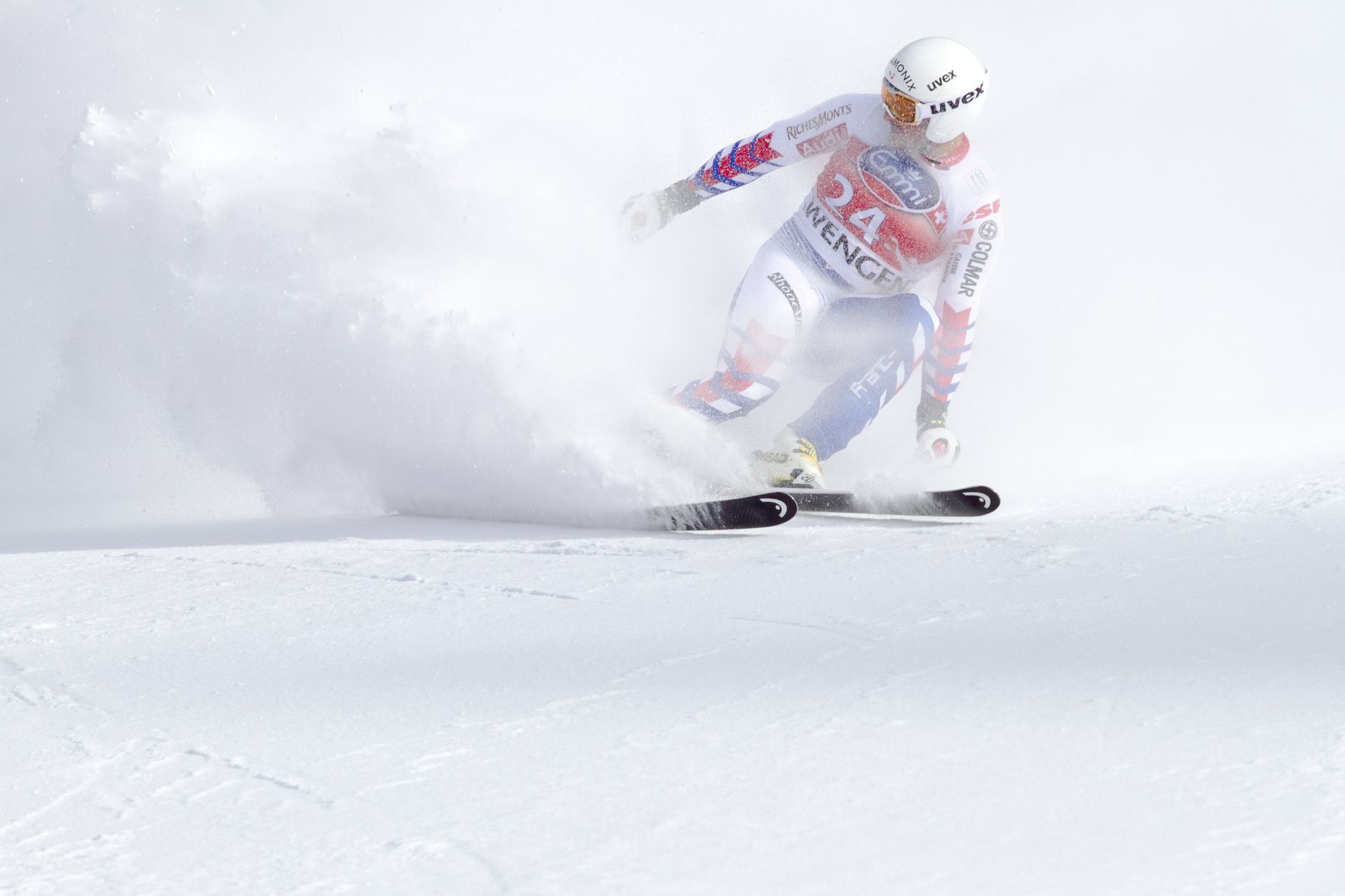
Skiing isn’t just a luxury getaway; it’s a relentless mental workout where every descent offers a fresh challenge that keeps addicts returning year after year.
Learning skiing as a beginner involves getting comfortable with sliding down snow-covered slopes while mastering the techniques of edge control and body weight to steer and stop.
Unlike snowboarding, you face forward with independent leg movement – which makes the learning curve steeper early on, but gives you more precise control at speed.
Skiing involves descending snow-covered slopes on skis while executing linked turns, managing speed, terrain variations, and balance through precise lower-body and core movements. Practitioners initiate turns by rotating their feet and legs independently of their upper body, engaging core muscles to maintain stability as they navigate groomed runs, bumps, or powder, focusing on fluid transitions …
Skiing induces a flow state by matching the dynamic challenges of varied terrain with skill levels, creating an immersive focus that distorts time during runs. Immediate tactile feedback from maneuvers offers a rapid progression in skill mastery, while the novelty of changing snow conditions prevents routine, providing a sense of accomplishment from conquering diverse runs.
You think skiing is a rich person's weekend hobby – expensive, cold, and mostly about looking good in an après-ski outfit. That's the assumption.
Skiing is a full-body coordination sport disguised as a vacation activity. Every run forces your brain and body to negotiate speed, terrain, and balance in real time – which is why even mediocre skiers leave the mountain mentally exhausted in the best way.
The mountain is never the same twice. Snow conditions, light, temperature, and your own fatigue mean you're solving a slightly different problem on every descent. That's exactly why people come back for decades without getting bored.
A 45-year-old accountant named Marcus took a three-day lesson package in Vermont on a work trip. He went in expecting a checkbox experience. By day three he was booking next February before he'd even packed his bag – not because the resort was luxurious, but because he'd never felt that specific combination of focus and speed before.
Two days of clumsy humbling. A single thing clicking. A flight home with a resort tab already open. The learning curve has a kink in it – and once you're through it, you're not fighting the mountain anymore, you're reading it.
The gear, the cost, the logistics – those are all real. Your first day on the slope is where all of it either makes sense or doesn't.
Skiing looks graceful in videos, almost like a dance across the slopes.
Reality hits with the first clip into bindings. That's when you discover your legs don't instinctively understand the concept of
edging – instead of gliding, you're pushing through burning legs and facing a stubborn pizza wedge that won't stop you from tipping over.
Oh, and boots? They need to be snug. Rent them from the mountain if you can. If they feel loose, you've picked the wrong gear and you'll be fighting it all day instead of learning how to move.
It's common to cling to the bunny hill those first few days, feeling sore and unsure.
The burning sensation isn't a sign to stop. It's a signal that your muscles are learning something new.
Persisting past the initial discomfort opens the door to the next phase – avoiding mistakes that prolong the struggle.
When to start: Early morning
Duration: 2 hours
Cost to try: $0 (if you have ski gear, otherwise rental needed)
Success criteria: If you can make 5 controlled wedge turns and stop within one ski length on an easy run, do session 2.
Leaning back feels safer. That's why it's so common. But this position actually reduces control and increases speed.
Press your shins against the front of your boots. This keeps you balanced and lets the skis do their job.
Loose boots feel comfortable at first. But they make your legs work overtime, causing that post-run burn.
Insist on a snug fit with no heel movement. A tight fit improves control, especially when you're standing still.
The pizza wedge may look silly. But it's essential for beginners to learn controlled stops.
Stick with the wedge until you can stop effortlessly. Mastery, not appearances, is what matters.
Looking down makes you lean forward and lose balance. Your posture matters more than watching each ski.
Focus 20–30 feet downhill. Your peripheral vision will keep your skis in check.
Twisting your torso to turn is an instinct, but it throws you off course. Proper turns begin with your legs.
Direct your poles and hands downhill. This keeps your upper body in line and aids proper turning.
Skiing starts at resorts, mountain parks, and dedicated snow sports facilities. These venues offer the ideal environment to enjoy the sport.
Some areas even have indoor slopes and dry-slope facilities for year-round training.
Visit the ski school desk and say, "I've never done this before – what's the right lesson for a complete beginner?"
This direct approach gets you into the right group with correctly fitted gear and a patient instructor.
Picture chairlifts and groomed runs. Your boots lock securely into bindings, and the terrain has clear levels from beginner to expert.
Best for beginners who want immediate feedback, with the comfort of resort amenities to lean on. Rental gear costs $40–70 per day or $600–1,200+ to buy.
Here, the heel lifts off the ski as you push forward under your own power on flat terrain. It's more challenging than it looks.
Best for endurance athletes or anyone who prefers self-powered movement over chairlifts. A starter setup is $300–500, with trail passes costing less than a resort ticket.
Avoid the lifts, embrace untracked snow. You'll climb the mountain yourself and ski back down, fully exposed to the elements.
Best for experienced alpine skiers ready to seriously invest in skills and equipment. Avalanche gear adds $700–1,000 to your setup.
You're not just descending; you're covering long distances over several days. Think mountain huts, uphill climbs, and skiing — it's like hiking on snow.
Best for experienced skiers who find resorts too confined and want an expansive adventure.
Terrain parks are your playground. From rails to jumps, the focus is on performing tricks and handling air.
Best for younger skiers or those with skateboarding or snowboarding experience. Standard gear is necessary, but don't skip the helmet and wrist guards.
Readers who enjoy this often gravitate toward Ultimate Disc next.
Snowkiting lives in the same world — different mechanics, similar appeal.
Most beginners spend their first season obsessed with slowing down – snowplowing wider, leaning back, braking before every turn. The real problem isn't speed. It's that they're skiing defensively instead of steering.
The one skill: steering your feet through the turn. Not tilting your body, not shifting your weight – actively rotating your feet and lower legs in the direction you want to go, like you're wringing a towel, while keeping your upper body calm and facing downhill.
Why Steering Your Feet Changes Everything
Once your feet are driving the turn, your skis stop feeling like things happening to you and start feeling like tools you're actually using. Your balance stabilizes, your speed becomes manageable without braking, and the mountain suddenly feels like something you're moving through instead of surviving.
Without it, you can take a hundred runs and still feel out of control – because you're reacting to the hill instead of shaping your path down it.
How to Build It
Four sessions over 30 days. Each day on snow offers a chance to feel the difference as the terrain becomes familiar.
If you're eager for the weekend snow report, that's a big indicator. Already planning next season? This isn't just interest; it's the beginning of something deeper. Start considering a season pass and make skiing a regular part of your life.
If you felt neutral and wouldn't have gone without a nudge, seek out different slopes or companions. One more try, alone or with a different group, could reveal a hidden connection you haven't felt yet.
Counting down the minutes until you could remove your boots means skiing might not be your scene. If the whole experience felt like a grind, it's probably not just resistance. For some, the cold and the discomfort don't balance out.
If you find yourself captivated by a simple run through untouched snow on YouTube, hear that. It's more telling than just admiring the scenery.
Living far from the slopes makes frequent skiing sessions a tough ask. Distance isn't a flaw; it's logistics. If you're over three hours away, rethink the practicality of skiing regularly.
Most beginners can learn basic skiing techniques in 3–5 days of lessons, reaching the point where they can navigate green runs with confidence. However, becoming a proficient intermediate skier typically takes 2–3 weeks of regular practice. Your learning speed depends on natural athleticism, lesson quality, and how frequently you ski.
Initial equipment costs $300–$1,000+ depending on whether you buy or rent gear. Daily lift tickets range from $50–$150 depending on the resort, and lessons run $50–$150 per hour. Most beginners find it cost-effective to rent equipment for the first season while deciding if skiing is right for them.
Skiing carries injury risk, but beginners are safest when starting on appropriate terrain and wearing proper protective gear like helmets and wrist guards. Most beginner injuries are minor sprains; serious accidents are rare on designated beginner slopes. Taking professional lessons teaches safe technique and builds confidence faster than self-teaching.
Skiing requires decent leg strength, balance, and cardiovascular endurance, but you don't need to be an athlete to start. Building strength in your quads, hamstrings, and core before your first trip helps prevent fatigue and soreness. Most people of reasonable fitness can learn and enjoy skiing.
Essentials include a helmet, waterproof jacket and pants, thermal underlayers, thick socks, gloves, and sunscreen with high SPF (sun reflects off snow). Rent skis and boots from the resort initially, and bring snacks and water for the slopes. Many resorts provide equipment checklists to help first-timers prepare.
Look for resorts with a high percentage of green (beginner) runs, good skiing schools, and manageable vertical drops to build confidence gradually. Popular beginner-friendly destinations include larger resorts with varied terrain and reliable snow. Read reviews focusing on lesson quality and amenities rather than just resort size.