BoredomBusted — Find Your Next Favorite Thing To Do
Discover hobbies, activities, places, and ideas that spark joy. Whether you're looking for something creative, active, social, or relaxing, BoredomBusted helps you find your next favorite thing to do.
Browse our hobby guides, things-to-do collections, and place ideas to never be bored again.
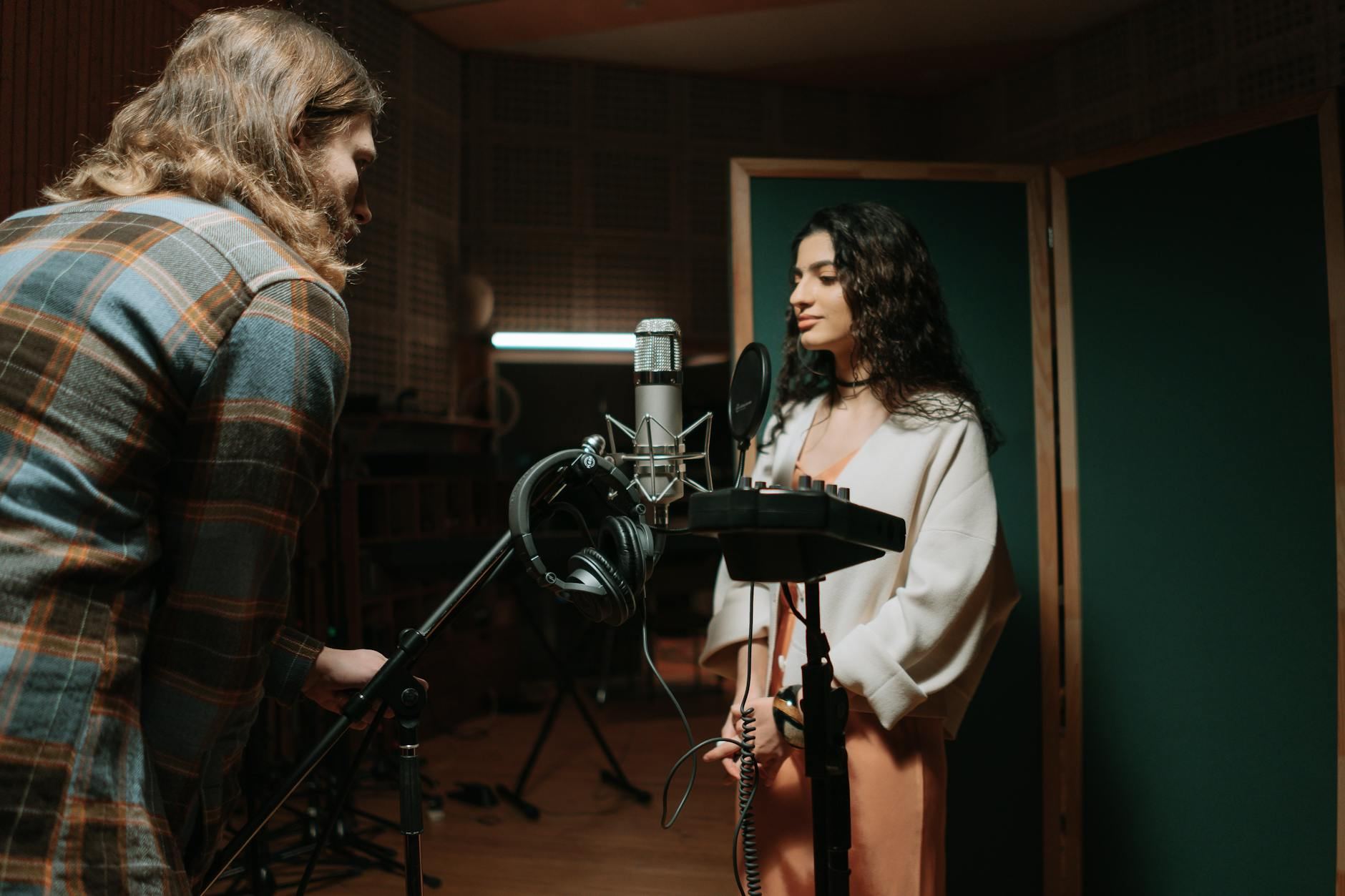
Voice acting isn't just about funny voices — it's an athletic endeavor where intention shapes authenticity, and a mic exposes any inauthenticity immediately.
Getting started with voice acting as a beginner can be an exciting journey where you learn to perform characters and narrate stories using just your voice as the instrument.
You record audio (at home or in a studio), and that audio gets matched to animation, video games, audiobooks, or ads.
Unlike singing or stage acting, the performance lives entirely in sound – no face, no body, just how you shape breath, tone, and timing.
In voice acting, practitioners read scripts aloud, performing various character voices while focusing on vocal techniques like lip trills and tongue twisters, exploring different accents and tones, recording their performances, and analyzing their speech to improve clarity and delivery.
Voice acting creates a flow state through immediate feedback from recordings, allowing adults to engage in progressive skill challenges that maintain interest while offering opportunities for creative expression and imaginative engagement.
You think voice acting is just reading out loud in a funny voice.
Maybe you've done impressions at parties. Maybe your friends say you have "a voice." So naturally, you assume the job is: talk into microphone, sound good, collect check.
That's the assumption. And it's the reason most people plateau inside their first month.
Take a corporate narration script – the kind that sounds boring by design. A trained voice actor doesn't just "sound professional." They decide who they're talking to, what that person needs to hear, and why it matters right now. That invisible decision is the entire performance.
The good news is none of this is mystical – it's trainable, and the entry point is cheaper than you think.
Next up: what your first real session actually looks like, and why your bathroom might be a better studio than you'd expect.
Watching a voice actor nail a character sounds effortless. Then you sit down, hit record, and hear yourself for the first time. That gap — between what you imagined and what came back through the speakers — is where most people quietly close the tab.
The first week, you'll spend more time fighting your recording setup than actually practicing reads. Week two, you find one character voice that feels natural — and immediately overuse it on everything. By week three, you start hearing the difference between a flat read and a connected one before you can actually fix it — and that awareness is the real work beginning.
Record every session, even the terrible ones. Keep them — not to post, not to share, but so you have proof that the voice cracking on week one and the voice landing the same line on week six are both yours.
Hating your recorded voice is basically the entry fee. The people who stay past that feeling aren't more talented. They're just the ones who understood they were building an ear before they were building a voice. The next section covers the mistakes that keep people stuck in that early frustration far longer than necessary.
When to start: Early morning
Duration: 1 hour
Cost to try: $10
Success criteria: If you record 3 distinct readings of the same short script and one take clearly changes the character’s emotion, do session 2.
Gear gets all the attention. But an untreated room will make a $400 mic sound worse than a $60 one recorded inside a closet full of clothes.
Before buying anything else, hang moving blankets or record inside a wardrobe. Your environment is doing more work than your equipment.
Focusing on pronouncing every word correctly is exactly what makes a read sound robotic. The words aren't the point — the want behind them is.
Before recording, write one sentence summarizing what your character wants in that moment — then read to that want, not to the script.
Stage training pushes you to project. The mic is three inches from your face, not thirty feet from the cheap seats.
Drop your volume by 30%, slow down slightly, and record the same line. The intimacy will feel uncomfortable to you and perfect to the listener.
The instinct to get out there fast is good. But casting directors remember bad demos longer than they remember silence.
Spend your first three months building a read reel for yourself only. Then hire a professional demo producer when coaches tell you your reads are consistent.
Practicing the same handful of familiar scripts builds comfort. It doesn't build the skill clients actually pay for.
Pull a random Wikipedia article or product description daily and record a 60-second read without prep. Cold read speed is what separates working voice actors from hobbyists.
Voice acting happens almost entirely at home – a quiet room, a decent mic, and recording software are your whole "venue."
For those who want in-person community, improv theaters and audio drama groups double as the closest thing to a community theater equivalent.
When you show up, say: "I'm just starting out and looking to practice reads with feedback."
That one sentence skips the audition pressure and gets you into workshop mode instead – where people actually give you useful notes.
This is solo, long-form work – just you, a manuscript, and hours of sustained character consistency.
It rewards patience and a strong "neutral" voice more than range or flash. Best for people who love reading aloud and can self-direct without an audience.
It pays well relative to other entry points, but the audition-to-booking ratio is brutal early on.
Thirty-second spots, brand reads, radio ads – short, high-energy, and heavily directed.
The goal is sounding natural while hitting a very specific emotional mark on command. Best for people who can take direction quickly and don't need creative control.
This is the most common beginner entry point on platforms like Voices.com.
This is the version everyone pictures – exaggerated voices, distinct characters, physical performance translated into sound.
It's also the hardest to break into, since most studio work goes to established talent or SAG-AFTRA members. Best for performers with a theatre or improv background who already have a range of distinct voices ready.
Similar to animation, but often involves combat grunts, death sounds, and reactive audio alongside full character arcs.
Sessions can be physically demanding – screaming into a mic for four hours is real work.
Best for performers comfortable with physical and emotional range under direction.
Dry? Yes. Steady income? Also yes.
This is narrating training videos, compliance modules, and internal corporate content. Best for beginners – the tone is approachable, the scripts are straightforward, and clients hire volume.
It's not glamorous, but it's where most working voice actors actually pay their bills.
Some of the same instincts show up in Event Photography — worth a look if this clicked.
Most beginners spend months perfecting their "sound" – chasing a voice they think is more castable.
The real ceiling isn't your voice. It's that you're announcing words instead of living inside them.
The skill is intention-led reading: assigning a specific, concrete objective to every line before you open your mouth. Not "sound warm" or "be conversational" – but "I'm telling my best friend something they need to hear before they make a huge mistake."
The character wants something. Your job is to want it so specifically that the mic picks up the wanting.
Once you build this, your reads stop sounding "performed" – and that's the difference between a callback and silence.
Without it, you can have a beautiful voice, perfect mic technique, and clean audio, and still lose every audition to someone with a $50 headset who actually means what they say.
Casting directors don't describe it as intention. They just say "that one felt real."
Commit to 12 sessions over 30 days – roughly three per week, 20–30 minutes each.
That's enough repetition to feel the difference between a bad recording day and an actual pattern, without burning out before you've learned anything real.
If you kept wanting to go back – not because you sounded great, but because you wanted to try the scene differently – that's the signal. Voice acting hooks the people who treat every take as a puzzle to solve. If that's you, start building a simple home setup and pick one genre to focus on: commercial, narration, or character work.
If you showed up but felt nothing – no frustration, no pull, just neutral – that usually means the solo format isn't doing it for you. Try one session of live improv or a short community theatre read-through before you close the door. Some people need the room, the energy, the other humans – and voice acting doesn't offer that.
If you actively dreaded the next session, that's not a slump. Dreading the isolation, the sound of your own voice on playback, the relentless self-direction – none of that goes away with more practice. Read that as a clean, honest answer and move on.
You're watching a commercial, a documentary, or a video game cutscene – and instead of following the content, you're listening to how the line was delivered. You're mentally re-reading it a different way. That low-level habit, the one you didn't choose, is more predictive than any 30-day test.
Chronic vocal cord issues or respiratory conditions are a real structural barrier – this hobby runs on sustained, repeatable vocal output, and pushing through damage accelerates it. If you live with multiple people in a small space and no room, closet, or time window where you can record in consistent silence, bad acoustics aren't a mindset problem, they're a physics problem.
Voice acting also demands a specific tolerance for radical self-direction – no teacher in the room, no audience reaction, just you and a playback file telling you the truth. If external feedback is what keeps you moving, the early months will leave you performing for no response at all. That feedback gap doesn't shrink until you've built a small community around the work – and that takes time most beginners underestimate.
For ideas that take five minutes instead of five weeks, see things to do when you're bored.
You don't need expensive gear to begin—a decent USB microphone ($50–150) and free recording software like Audacity will get you started. As you progress and land paying gigs, investing in a better microphone, pop filter, and treated recording space becomes worthwhile, but it's not necessary for learning the craft.
Building foundational skills typically takes 3–6 months of consistent practice, but becoming professionally competitive usually requires 1–2 years of training, auditions, and portfolio building. Your timeline depends on your natural ability, how much you practice, and how actively you pursue opportunities.
You need vocal flexibility, the ability to create distinct character voices, emotional expressiveness, and good diction. Understanding pacing, taking direction, and managing your breath control are equally important—many of these skills develop through practice and training rather than innate talent.
Absolutely—many voice enthusiasts create fan dubs, audiobook narrations, or character content for platforms like YouTube without seeking professional work. Voice acting is rewarding as a hobby for creative expression, and you can pursue it at whatever level of commitment feels right.
Beginner rates for freelance work typically range from $25–100+ per project, while union jobs and established voice actors can earn $500–$2,000+ per session. Income varies significantly based on experience, location, type of work (commercial, animation, games, audiobooks), and your clientele.
Start by recording practice pieces—character monologues, commercial copy, or short audiobook excerpts—to create sample clips. Leverage free platforms like Fiverr or SoundBetter to take small gigs, collaborate with indie game developers, or contribute to fan projects while building credibility and experience.