BoredomBusted — Find Your Next Favorite Thing To Do
Discover hobbies, activities, places, and ideas that spark joy. Whether you're looking for something creative, active, social, or relaxing, BoredomBusted helps you find your next favorite thing to do.
Browse our hobby guides, things-to-do collections, and place ideas to never be bored again.
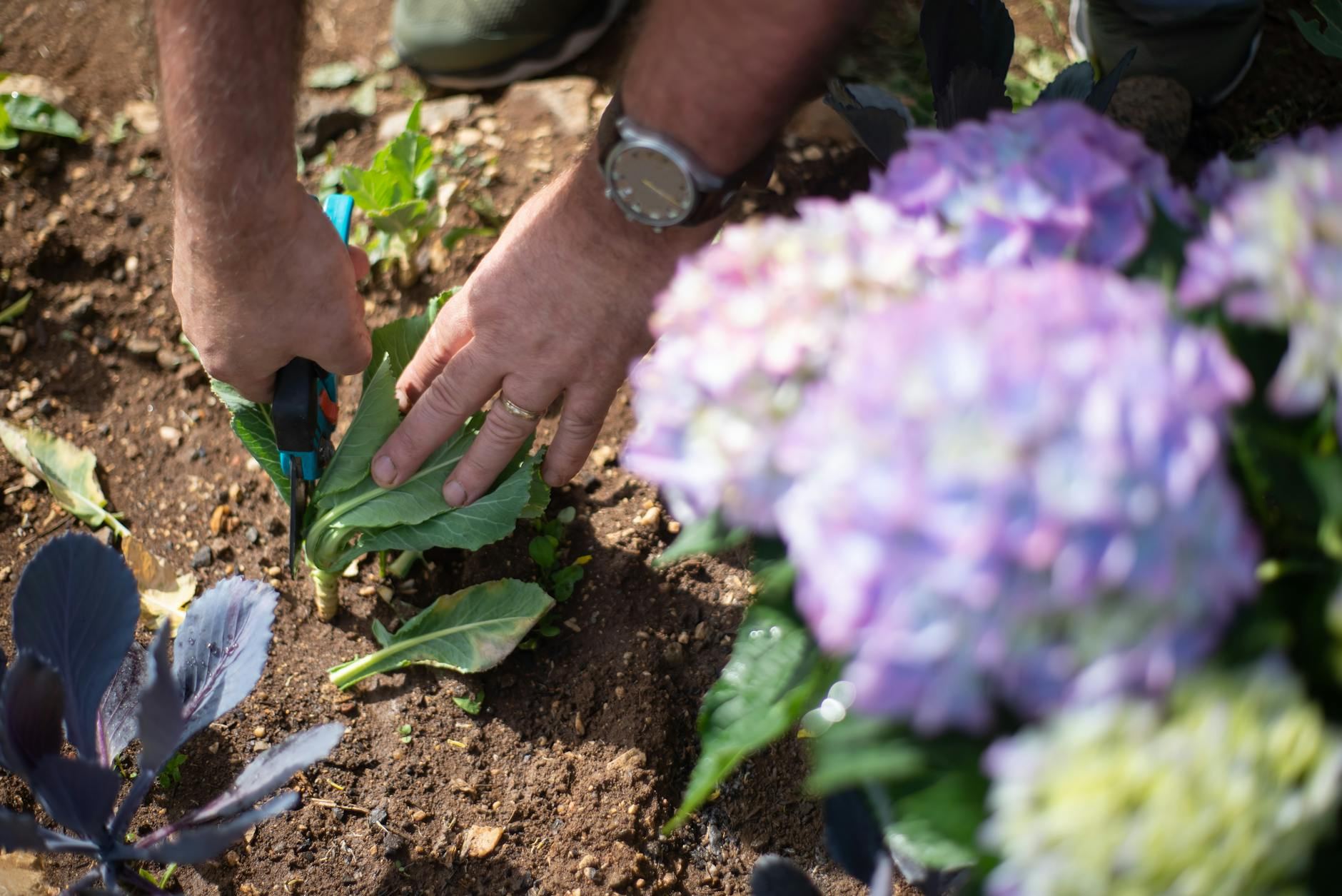
Wildflower gardening isn't low effort; it's about strategic soil prep and choosing native seeds for a thriving ecosystem, not just tossing seeds around.
Learning wildflower gardening as a beginner involves selecting native species that thrive in your local environment with minimal care.
You prepare the soil, sow seed mixes or plugs, then largely let the ecosystem do the work.
Unlike conventional gardening, there's no deadheading schedule or weekly feeding – the whole point is designing for wildness, not maintaining against it.
In wildflower gardening, you physically cultivate native wildflowers by preparing soil, sowing seeds, weeding, planting seedlings, and monitoring growth, while engaging in activities like deadheading blooms and harvesting flowers for arrangements.
Wildflower gardening induces a flow state through immersive tasks, provides immediate skill feedback with visual cues of growth, fosters a sense of accomplishment by transforming spaces, and offers creative expression in designing natural landscapes, all while nurturing a connection to nature.
Wildflower gardening means scattering a seed bomb and waiting for magic. It doesn't.
That assumption is exactly why most people end up with a patchy mess of weeds and one sad cosmos.
Wildflower gardens aren't low-effort — they're differently effortful, which means the work front-loads into soil prep and selection, not weekly maintenance forever.
Most seed mixes sold at garden centers are designed for the packet photo, not your climate. Picking regionally native species is what determines whether you get a thriving meadow or a disappointment — and it's the one decision most beginners skip entirely.
"Wildflower" doesn't mean unplanned — it means you're designing an ecosystem, where bloom timing, root depth, and pollinator needs all interact in ways a flower bed never does.
That ecosystem logic plays out fast once you get the species selection right. A gardener in central Texas ditched a generic "meadow mix" and replanted with native black-eyed Susans, bluebonnets, and prairie verbena.
By year two, she'd stopped watering almost entirely — and had more monarch butterflies than her neighbors had seen in a decade.
What drove that result wasn't luck or a green thumb. It was reading the ground first.
Understanding why something grows where it does starts with knowing what your specific patch of ground is actually offering — and that's where the next section picks up.
Watching a wildflower meadow sway in someone's backyard video is nothing like kneeling in your own dirt, squinting at what might be a sprout or might be a weed.
The gap between "I want that" and "I understand what I'm doing" is about six weeks wide. That's not a warning – it's just the actual shape of this hobby.
Before: Seed packet looks simple. Soil looks ready. You scatter. You wait. Nothing happens.
After: Something happens. You don't know what. You're not sure if that's good. You check daily. You start to care more than expected.
Bare soil. No feedback. Nothing to show anyone yet.
It's not that wildflower gardening is slow – it's that the reward is illegible at first, and the people who stay past week three are the ones who got curious about the weeds instead of just frustrated by them.
Before your first session, look up what a *cotyledon* looks like for two or three species you're planting – those are the first seed leaves, and they look nothing like the adult plant.
Every beginner pulls their own seedlings thinking they're invasive grass. You won't be the first. But you can at least know what you're looking for before you start pulling.
When to start: Early morning
Duration: 1-2 hours
Cost to try: $20
Success criteria: If you can prepare a sunny 3×3 foot patch, sow native seeds evenly, and water the soil lightly, do session 2.
Wildflower seeds are tiny and easily outcompeted – they need bare, raked soil with no existing vegetation fighting them for light. Clear the area completely first, then rough up the top inch of soil before scattering seed.
Those cheerful packets at the checkout display are often filled with species that won't survive your climate, or worse, aren't actually wild anywhere near you. Check the back of the packet for a species list, then cross-reference with your state's native plant society to confirm at least 80% are local.
New gardeners water heavily after seeding, which washes lightweight seeds into clumps or buries them too deep to germinate. Mist lightly once a day until germination, then step back – established wildflowers want drought, not daily drinks.
Wildflower seedlings look almost identical to common weeds in their first few weeks – and most beginners yank them without a second thought. Before you weed anything, photograph a few suspicious plants and run them through an ID app like *iNaturalist*, waiting until they have at least four true leaves.
Most native wildflowers spend their first season building root systems underground, leaving you staring at what looks like a patch of scrubby green nothing. Plan for foliage in year one and flowers in year two – if you pull everything up in frustration, you'll restart the clock every single time.
Wildflower gardening happens wherever you have ground — your own backyard, a community garden plot, or even a balcony container setup if you're working with smaller native species.
Start at wildones.org and use their chapter finder. Wild Ones Native Plants, Natural Landscapes is the closest thing North America has to a national governing body for this hobby. Most chapters run seed swaps, garden tours, and beginner workshops.
Search "native plant society" plus your state or province — most regions have a chapter. On Meetup.com, try "native plants," "wildflower garden," or "pollinator garden" for smaller groups that do hands-on plantings together.
Your county extension office is worth a look too. Master Gardener programs specifically cover regional wildflowers and often run free clinics.
Tell someone in any of these groups you're starting from scratch — no existing beds, no idea what's native to your area. That admission usually gets you a regional plant list and a seed packet from someone's surplus.
An honest conversation about which wildflowers actually survive your specific soil and climate is worth more than any online guide you'll find.
Standard wildflower mixes often include non-native species that look pretty but don't feed local insects. Native-only gardening restricts you to plants indigenous to your specific region.
Seed costs run higher, and you'll need to identify what's truly native to your area — not just your country. Best for anyone who wants the garden to actually do something for local pollinators, not just look wild.
This scales wildflowers up into a full ground-cover system, replacing lawn or large open areas rather than filling borders.
It's lower maintenance than it looks once established — but the first two years require real intervention to stop weeds from winning. Best for people with space and patience who are tired of mowing.
You grow a curated mix in pots, raised beds, or window boxes — no ground required. It's the most forgiving entry point, and if something fails, you lost a pot, not a season's work on a border.
Best for beginners, renters, or anyone with a balcony and zero lawn. Start here if you're unsure which version of this hobby is actually yours.
This focuses on shade-tolerant species — bluebells, wood anemone, wild garlic — grown under tree canopy. Most wildflower advice assumes full sun, so this variant needs a completely different plant list.
Best for gardeners with shaded plots who keep getting told their conditions are "difficult."
You designate an area, stop managing it, and let whatever wants to grow come in. You'll get some wildflowers and some weeds — learning to tell them apart is half the hobby.
Best for people who want low effort and don't mind an unpredictable result.
A close neighbor worth considering: Topiary Gardening.
Herb Gardening lives in the same world — different mechanics, similar appeal.
If the texture of this appeals to you, Succulent Gardening is built on similar bones.
Most beginners spend their energy on seed selection – rare species, native blends, color palettes. The seeds barely matter if you can't read your soil's moisture windows.
The skill is timing your sow to the soil, not the calendar.
It means stepping outside after rain, squeezing a handful of earth, and knowing whether that moisture is surface-deep or has actually penetrated 3–4 inches. Wildflower seeds germinate on subsurface moisture – not the damp crust you can see.
Without this skill, you'll keep losing seeds to the same cruel cycle.
Seeds sprout in a shallow wet layer.
The top inch dries out.
The seedlings fry before roots ever chase deeper moisture.
Then you blame the seed mix, the season, the birds – everything except the real variable you had control over.
Spend one month doing the squeeze test weekly before you commit a single seed. Grab a fistful of soil 3–4 inches down, squeeze hard, and open your hand – it should hold shape but crumble when poked. Log what the sky looked like the previous 48 hours, and dig a small test hole after every significant rainfall to see how deep the moisture actually reached versus how wet the surface looked.
You'll also want to track a 10-day weather window before your target sow date – not just the day-of forecast. What you need is a stretch of consistent mild temps with no scorching period predicted after germination. That buffer is what keeps subsurface moisture stable long enough for roots to push downward instead of stalling out.
Once that pattern clicks, the practical rhythm of it becomes second nature. The next section covers which sowing variants demand this skill most – and where a looser approach can still get you results.
Four sessions over 30 days. Roughly once a week — enough time to prep a patch, sow seeds, watch for germination, and do a first weeding pass.
Any fewer and you're not testing the hobby. You're just doing yard work.
If you found yourself checking on the patch between sessions — on a Tuesday, without planning to — that's not enthusiasm. That involuntary checking is the signal that this hobby has already started working on you. The move is to keep going and start planning a second area.
If you showed up and felt nothing either way, that's not a verdict. The first month is mostly dirt and waiting — wildflower gardening's payoff is seasonal, and a bad starting window can make a genuine hobby feel like nothing. Add two sessions in spring or summer before you write it off.
If you resented the time outside, or the open-ended waiting genuinely irritated you, that's clean data. This hobby runs on weeks of visible nothing — that friction doesn't soften with experience, it compounds. That irritation is a real answer, not a hurdle to push through.
If you rent and can't alter outdoor space — even a balcony — the soil-based side of this hobby is effectively closed off. Container wildflower growing exists, but it's a fundamentally different and more limited experience.
If your schedule runs on tight, consistent control, wildflower gardening will frustrate you structurally. The plants don't care about your timeline, and you can't reschedule germination.
If prolonged outdoor time is a real barrier due to mobility or chronic pain, this hobby asks more of that capacity than most people expect before they start.
You notice wildflowers growing in a roadside ditch and actually slow down to look — not because you planned to, just because you did. That involuntary noticing means your brain has already started paying a different kind of attention, and that attention is the whole hobby.
Wildflower Gardening is a deeper commitment than most boredom cures — for lighter options, check things to do when bored.
Most wildflower seeds germinate within 1–3 weeks, but they typically reach full bloom 6–12 weeks after planting, depending on the species and growing conditions. Some perennials may not flower until their second year, so patience is key for establishing a mature wildflower garden.
Wildflowers are native plants adapted to your local climate and soil, requiring minimal fertilizer, pesticides, or extra water once established. Regular garden flowers are often non-native hybrids that demand more maintenance and don't support native pollinators as effectively.
You can start with as little as a 4x4 foot plot or even a container garden. Larger spaces create more dramatic ecosystems and attract more pollinators, but even small patches contribute to local biodiversity and require minimal ongoing care.
No—wildflower gardening is one of the easiest gardening hobbies because native plants are naturally suited to local conditions. Once you prepare your soil and scatter seeds, they do most of the work themselves with little weeding, watering, or pruning needed.
Wildflower seed packets typically cost $2–$5 each, and a small starter kit with soil amendments runs $15–$30. Your total investment for a modest garden is usually under $50, making it one of the most affordable gardening hobbies to begin.
Yes—native wildflowers are a primary food source for bees, butterflies, hummingbirds, and other local wildlife that evolved alongside them. Even a small wildflower patch will noticeably increase pollinator activity within weeks of blooming.