BoredomBusted — Find Your Next Favorite Thing To Do
Discover hobbies, activities, places, and ideas that spark joy. Whether you're looking for something creative, active, social, or relaxing, BoredomBusted helps you find your next favorite thing to do.
Browse our hobby guides, things-to-do collections, and place ideas to never be bored again.
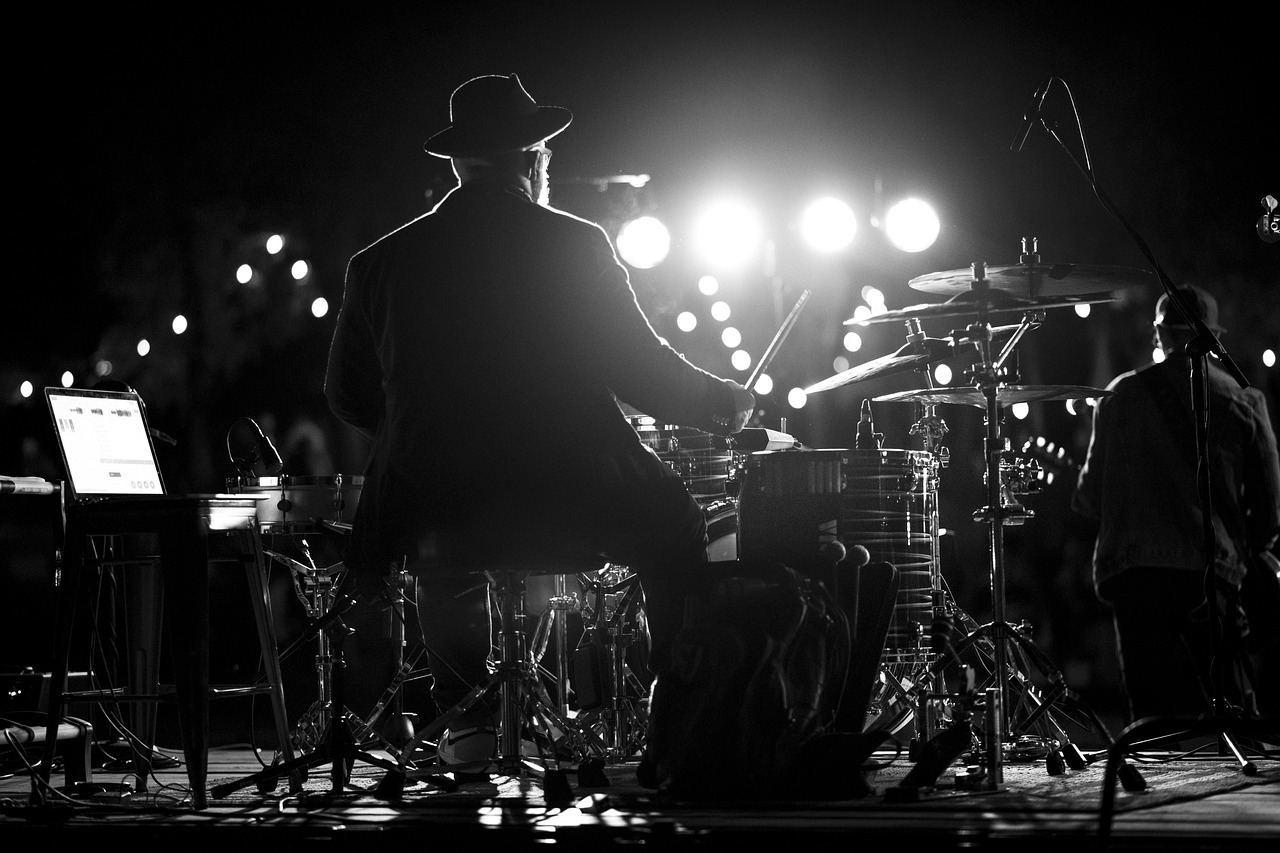
Drumming isn't about power; it’s about mastering coordination and control, often starting with quiet practice and identical single-stroke rolls for true technique.
Learning acoustic drumming as a beginner offers a unique opportunity to create rhythm and sound using physical drum heads and sticks without the need for electricity.
The shells, heads, and hardware do all the work, making every nuance of touch audible instantly.
Unlike electronic drumming, there's no software between you and the sound – what you play is exactly what the room hears.
In acoustic drumming, you physically engage with a full drum kit or practice pad, focusing on technical exercises like single strokes, double strokes, and paradiddles, while mentally maintaining relaxation and timing through metronome practice, all aimed at building control and fluency in rhythm.
Acoustic drumming combats boredom by creating immediate skill feedback loops through repetitive practice, fostering flow states via focused concentration on technique, and providing a sense of accomplishment from mastering foundational rudiments, all of which enhance motivation and engagement.
You think drumming is about hitting things hard and making noise. That's almost perfectly wrong. The ones who come in thinking power is the point usually quit by month two.
Drumming is about coordination and control. Each limb acts independently with kick, snare, hi-hat, and ride all running on separate mental tracks. It's like patting your head while juggling equations.
Quiet practice with brushes or dampened heads builds true technique. Reading a room and adjusting dynamics is a musicianship skill as demanding as a pianist's development.
A working drummer's warm-up once involved 20 minutes of slow, meditative single-stroke rolls. No crashes. No fills. Just the discipline of making each hit identical. That's the job before the job, changing how you hear every song you've ever loved.
Most of what holds beginners back has nothing to do with talent. The real friction is setup — and first-kit buying advice is noisier than a garage band. What you actually need to get started is a much shorter list than the gear world wants you to believe.
Watching a drummer makes it look like controlled chaos. Sitting behind a kit, you realize it's just chaos — your hands and feet are suddenly strangers who've never met.
Every beginner assumes their strong hand will lead the way. It won't. It's your weaker hand and your feet that need the most work — and they're the last things most people think to practice.
Your first few sessions will sound uneven: arms stiff, bass foot lagging, hi-hat hissing at the wrong moments. Your left hand doesn't feel slow — it feels absent. That's not a coordination problem you have. It's a coordination problem everyone has.
Getting four limbs to act independently is the central challenge of week one. Slowing down helps, but it doesn't make the chaos disappear — it just makes it easier to see. The people who push through this part are the ones who stop trying to sound like a drummer and start trying to understand the kit.
Set your metronome to 60 BPM and stay there longer than feels necessary. Rushing speed is how bad mechanics get locked in — and unlearning them costs more time than learning them right the first time. The next section covers the specific mistakes that keep beginners stuck at that frustrating stage far longer than necessary.
When to start: Morning
Duration: 1 hour
Cost to try: $10
Success criteria: If you can play the exercise at 60 bpm for 8 bars with even strokes and no missed beats, do session 2.
Many drummers mistake tension for control. A death grip doesn't give you more power; it harms your speed and wrists over time.
Loosen your grip so the stick bounces freely in your fingers. Let the rebound do half the work.
Sitting low feels powerful, but it messes up your posture. A low throne disrupts your bass drum pedal angle and wrecks hi-hat reach.
Set your throne so your thighs slope slightly downward. Hips should be just above knee level.
Staying at familiar tempos reinforces old habits. Many beginners find this comforting.
Challenge yourself by setting the metronome 10–15 BPM slower. Lock in clean strokes and gradually increase by 2 BPM each session.
Jumping into songs feels like real progress. But neglecting rudiments means re-learning fills without a shared vocabulary.
Spend ten minutes on paradiddles and single-stroke rolls before songs.
Bad drum sounds can make you doubt your playing. Most beginner kits detune quickly from hits and temperature changes.
Tap near each lug and tighten dully sounding ones every few sessions. Use a star pattern across the head.
Drumming works anywhere sound is allowed. Home practice rooms, music rehearsal studios, and drum schools are common spots. Some drummers use rented lockup spaces or join a band with a backline setup at a local venue.
Introduce yourself as a beginner with some experience and interest in structured practice. This often leads to mentors, lower room rates, or invitations to relaxed sessions. Drum communities love enthusiastic learners who participate.
Jazz kits run smaller bass drums and lighter cymbals than rock setups. Everything responds to a gentler touch, so finesse matters more than force.
This is the best entry point if rock drumming never appealed to you — smaller kits cost less, and brushwork technique carries over to almost every other style.
Marching percussion means playing while moving in formation. Your hands and body have to work independently in ways a seated kit player rarely practices.
Most school band programs supply the gear, so your out-of-pocket cost is often close to zero. The tradeoff is that your practice schedule belongs to the group.
Latin and Afro-Cuban drumming centers on clave patterns, cascara, and mambo bell lines. The kit still looks acoustic, but the approach is structurally different from rock or jazz.
You will add pieces like cowbells and jam blocks over time. The real draw is a rhythmic framework that makes most other styles feel limited by comparison.
Drum corps and orchestral snare strips everything down to a single drum. Without a kit to fall back on, every stroke has to be deliberate — ghost notes, rimshots, and dynamic control get scrutinized in a way full-kit playing rarely demands.
This is the fastest path to clean hands if you are willing to accept the constraint. Beginners who start here usually outpace peers technically within the first year.
Hybrid setups swap standard heads for mesh heads and add triggers or electronic pads alongside your acoustic shells. You keep the physical rebound and stick response of a real kit while routing sound through headphones or a low-volume module.
A full acoustic-to-hybrid conversion typically runs $200–$600, covering mesh head replacements and a basic trigger interface. That is significantly cheaper than a standalone electronic kit at the same feel quality, which makes it the smarter move if you already own an acoustic set.
If you want a related angle, Electronic Music Production is the natural next stop.
Subdivision awareness is the skill that makes acoustic drumming come alive.
Most beginners chase speed and power. Louder hits, faster hands.
The real bottleneck isn't your limbs. It's your ability to hear yourself playing in subdivisions.
Subdivision awareness means knowing exactly where inside the beat your stick lands — not just "on the beat," but on the 16th note, every time. It's the difference between executing a motion and placing a sound.
Not "playing in time."
Not "feeling the groove."
Knowing exactly where inside the beat your stick is landing, down to the 16th note — before it hits.
When this clicks, your limbs stop fighting each other.
The kick, snare, and hi-hat lock together because they're all referencing the same internal grid.
Without it, you can practice rudiments for a year and still sound loose — because you're executing motions, not placing sounds.
The practical way to build this is with a metronome set two levels smaller than your target. If you're drilling a groove at the quarter note, set the click to 8th notes. If you're comfortable there, drop it to 16ths. Your ear learns to subdivide actively rather than react passively to a single pulse. Dave Weckl built entire warm-up routines around this exact method.
Fills expose weak subdivision awareness faster than any other context. Every fill, groove, and off-beat accent becomes something you control rather than something that happens to you. The next section covers the specific grooves where this internal grid gets tested hardest.
Eight sessions over 30 days — roughly two per week. That spacing gives you enough time to reflect between sessions rather than just ride the momentum of novelty.
If you're already thinking about your next session before this one ends, that pull toward the kit is the hobby itself, not just curiosity about something new. The move at that point is to start shopping beginner kits and find a local instructor before the window closes.
If the sessions felt flat and you had no real urge to return, the equipment might be the problem before the hobby is. Four sessions on a better kit — borrowed or rented — will tell you whether the indifference was about the drums or just the gear. A bad practice kit can make drumming feel like work even for people who'd otherwise love it.
If the noise and physical effort actively put you off, that's a clean result. Drumming is loud, physical, and repetitive by nature — none of that changes with better gear or more practice. Some people love the idea of drumming and dislike the actual activity. That gap is useful information.
If you're tapping rhythms on your steering wheel, your desk, or your leg without thinking about it, your hands are already ahead of your decision. That kind of unconscious behavior is a stronger signal than anything you'll feel during a scheduled session.
Looking for something lighter? Our boredom-busters guide is built for exactly that.
A beginner acoustic drum kit typically costs $300–$800, though you can find quality starter sets at the lower end. Add another $100–$200 for essential hardware like drum sticks, a throne, and a practice pad to refine your technique without disturbing neighbors.
With consistent practice of 30–45 minutes daily, most beginners develop solid grip, posture, and basic coordination within 4–6 weeks. Reaching intermediate proficiency where you can play along to songs typically takes 3–6 months of dedicated practice.
Acoustic drumming has a relatively low barrier to entry—you can produce satisfying sounds immediately—but mastering technique and coordination demands consistent practice. The physical coordination required is unique compared to string or wind instruments, but it's learnable at any age.
Acoustic drums provide natural rebound, tactile feedback, and authentic tone that enhances learning and musical expression, while electronic kits offer volume control and space efficiency. Most drummers recommend starting acoustic if space and noise permits, as the feedback helps develop better technique faster.
While online tutorials and self-teaching can work, a teacher accelerates progress by correcting posture and grip issues early, preventing bad habits that are hard to break later. Even a few lessons every 2–3 weeks can significantly improve your foundation and confidence.
A standard acoustic kit requires roughly 8–10 feet of floor space in any direction to account for cymbal clearance and playing comfort. A bedroom, garage, or dedicated practice space works well, though bass drum vibrations may carry through floors in apartments or shared living spaces.