BoredomBusted — Find Your Next Favorite Thing To Do
Discover hobbies, activities, places, and ideas that spark joy. Whether you're looking for something creative, active, social, or relaxing, BoredomBusted helps you find your next favorite thing to do.
Browse our hobby guides, things-to-do collections, and place ideas to never be bored again.
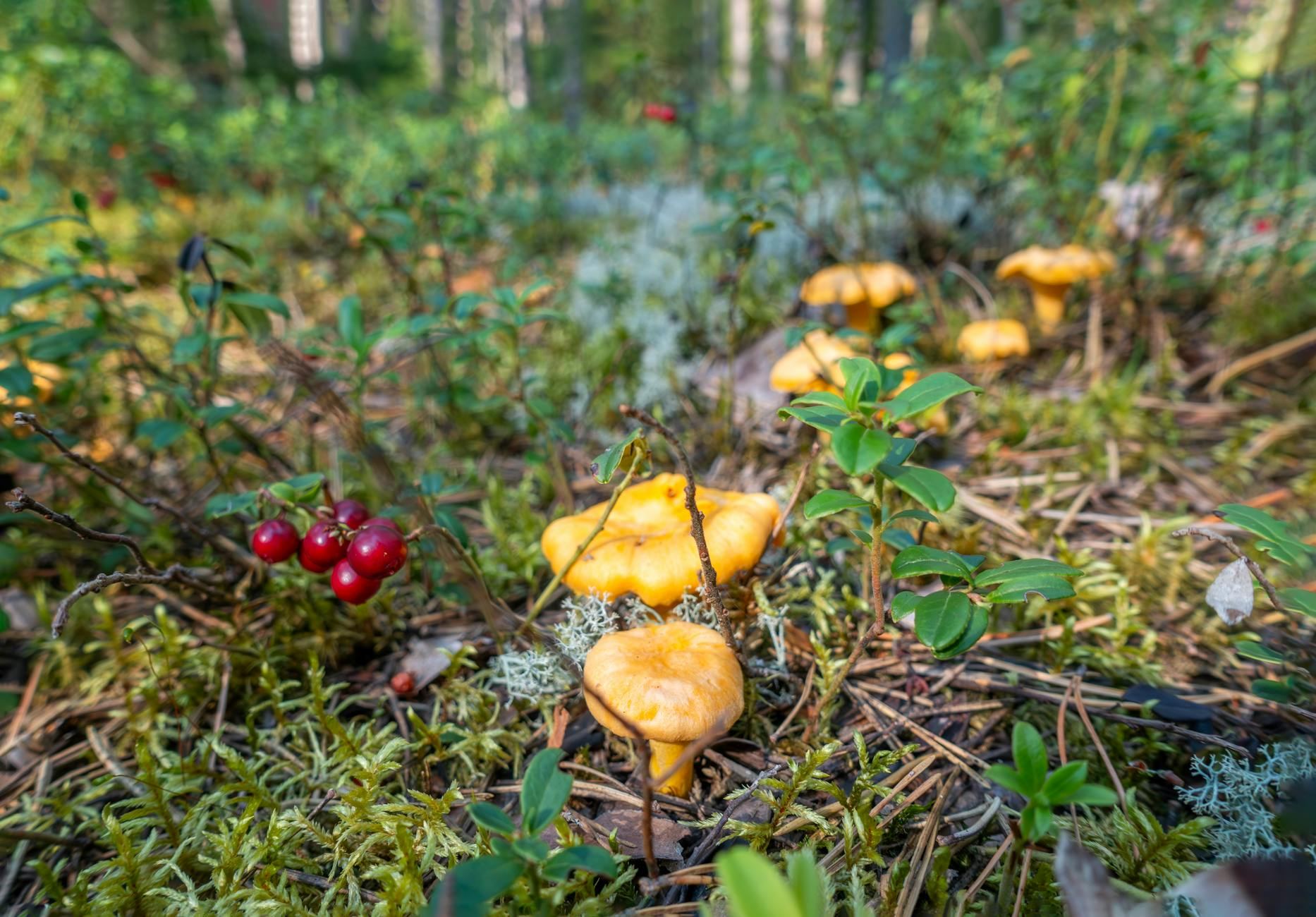
Berry foraging isn't just about spotting fruits; it’s about reading the landscape, timing your harvest, and mastering plant identification to avoid deadly lookalikes.
Getting started with berry foraging as a beginner allows you to explore nature while searching for wild treasures in your surroundings. Discover wild berries in forests, hedgerows, meadows, and urban green spaces.
You'll learn to identify species through leaf shape, stem type, berry color, and season. Then you can collect what's edible and leave the rest for nature.
Foraging is about tuning into nature, seeing landscapes as something you engage with rather than just pass through.
Berry foraging involves exploring natural habitats like forests and fields to find and collect ripe wild berries such as blackberries and raspberries. Practitioners physically hike through underbrush, using field guides to identify safe species, wearing protective clothing, and harvesting berries by hand or with shears into baskets or containers. Many eat berries on the spot or gather them for la…
Berry foraging induces a flow state through the focused attention required for identifying berries based on their visual traits, while immediate sensory rewards from eating and tangible progress in harvesting enhance engagement. The sense of accomplishment from transforming wild finds into meals or preserves provides a fulfilling counter to routine, alongside the novelty of discovering unpredicta…
You think berry foraging is basically just walking around and eating things you recognize. Spot the red ones, avoid the deadly ones, go home with a snack.
That's the assumption – and it's why most people treat it like a casual afternoon rather than a skill worth building.
The landscape is the real textbook. Experienced foragers read soil moisture, canopy density, and elevation before they even look for fruit – because the environment tells you what's there before your eyes do.
Timing collapses your options fast. A patch that yields pounds of wild blueberries in late July is bare dirt by mid-August – knowing a species means knowing its window, not just its shape.
Lookalikes aren't rare edge cases. Pokeweed and elderberry grow in the same hedgerows, look similar at a glance, and one of them will hospitalize you. The margin between confident and correct is identification depth, not gut feeling.
A forager in the Catskills once spent three seasons returning to the same slope. She needed that time to trust herself to harvest chanterelles there consistently. It wasn't slow learning – she was building a relationship with a specific place. That's what foraging is really about.
The gear is simple. The real challenge is knowing what you're doing, and the next section covers exactly what you need before your first outing.
Watching someone forage looks effortless – they crouch, they pick, they smile at their basket.
Your first session will feel like you're reading a foreign language written in leaves. The gap isn't skill. It's pattern recognition you don't have yet.
Before: Every berry looks the same. Every bush looks suspicious. You're Googling 'is this poisonous' every four minutes. The basket stays mostly empty.
After: You spot a patch from ten feet away. The differences feel obvious. You're annoyed you ever found this hard.
One thing worth knowing before you go out: learn the poisonous lookalikes for your region before you learn the edible species themselves.
Most beginners do it backwards. They get excited about elderberries, learn elderberries, then discover pokeweed exists.
Start with what can hurt you – then everything you learn about edible species becomes a process of elimination, not a leap of faith.
When to start: Early morning
Duration: 1-2 hours
Cost to try: $0
Success criteria: if you finished without eating any unfamiliar berries, do session 2.
Beginners often trust berry color like traffic lights. But this red-means-stop, black-means-go logic can lead to trouble.
Master one species fully before foraging. Know its leaf shape, stem texture, berry cluster pattern, and even its smell, not just the color.
One book might seem authoritative, but it's not the final word.
Always cross-check identifications with at least two regional guides. Range maps and warnings differ widely, so compare before trusting a single source.
Seeing something familiar can override your patience. But looking familiar isn't the same as being properly identified.
Beginners learn what they hope to find. They often forget about the plants that might deceive them.
A lovely patch of berries by the highway isn't safe just because it looks healthy.
Avoid anything within 100 feet of roads, fields, or old industrial sites. The berries might be tempting, but the soil they're in often isn't.
Berry foraging isn't one-size-fits-all. Your specific region matters.
Explore national forests, state parks, or nature preserves. Some urban green spaces also offer options, depending on what's in season.
Start your search on Facebook Groups for "foraging [your state]" or "wild edibles [your region]." These are lively hubs that host free walk-alongs.
Meetup.com is your next stop. Use "foraging walk" or "plant walk" as search terms and filter by location. You'll find groups that actively organize excursions.
Don't ignore the North American Mycological Association (NAMA). While they focus on fungi, many chapters include berry and wild plant walks.
iNaturalist.org connects you to local naturalist groups that organize identification walks, perfect for discovering trails in your area.
There's no national body solely for berry foraging. The North American Foraging Association (NAFA) comes closest, offering educator and group resources by region.
Introducing yourself as new and eager to learn puts you next to someone who will show, not just tell, what's safe to eat.
This is seasonal foraging without a specific agenda. You're looking for whatever's ripe and nearby. Perfect for beginners who want to learn the landscape and gain broad exposure before focusing on a single species.
Focus on just one berry, like wild blueberries or elderberries. Learn everything about it: habitat, look-alikes, peak timing, and uses. Ideal if you want fast confidence and have one abundant local species to master.
Focus on the medicinal value of berries like elderberry for immune support or rose hips for vitamin C. It's a step into herbalism with a whole different knowledge base required. Added costs include tincture supplies and a specific field guide.
Cities offer more berries than you'd think in parks and vacant lots. The real challenge is ensuring the land is safe and legal to forage. Great for those without access to rural areas looking to make the most of urban spaces.
Foraging isn't just a snack but a way to fill your pantry. Make jams, wines, or dehydrated goods. It's for those ready to spend time in the kitchen and who want a direct supply chain. Basic canning or dehydrating gear will start at $40–$80.
For something adjacent, see Wild Herb Foraging.
For something adjacent, see Mushroom Foraging.
Some of the same instincts show up in Technical Diving — worth a look if this clicked.
Habitat reading is the key skill in foraging. It's about more than identifying berry names and colors. You must understand the specific microconditions each berry requires, then head to those conditions before looking for fruit.
You'll stop hunting berries and start seeking their environment. Think beyond general rules like "berries grow in forests". Instead, know that "elderberries want disturbed edge zones where sunlight hits moist soil." They prefer spots usually within 20 feet of a water source or old trail.
When you see the signs of the right conditions, you'll find patches of berries without specifically searching for them.Recognizing landscapes transforms you from wandering aimlessly to knowing exactly where to explore.
Experienced foragers prioritize habitat detection first. Berries confirm their predictions, not the other way around.
Commit to four sessions over 30 days. That's one each week, allowing time to reflect between outings.
If you're planning your next outing before the current one ends, that's a clear sign. This isn't mere interest—it's a genuine connection with the activity. Focus on learning a couple of species in-depth rather than spreading yourself too thin.
If the outings feel neither exciting nor off-putting and haven't crossed your mind since, it's worth exploring further. Try one more trip in a different setting or season to see if it tips your view. If it's still just okay, that might not be enough for a sustained interest.
Feeling restless, bored, or anxious signals a misfit. Foraging suits those who find solace in slowing down. If it feels more like a chore than an escape, that's genuine feedback worth recognizing.
Checking out plants on your daily walk without meaning to is the surest sign this hobby fits you. That organic curiosity reveals where your interests naturally align.
Berry foraging carries some risk if you misidentify plants, as some wild berries are toxic. The key is learning to identify edible berries accurately before harvesting—using field guides, apps, or joining guided foraging groups can eliminate most risks. Start with easily recognizable berries like blueberries and blackberries if you're a beginner.
You can learn the basics in 2–4 weeks of casual study, focusing on 5–10 common edible berries in your region. Full confidence with seasonal identification and advanced foraging typically takes 2–3 months of practice. Many people start identifying berries on their first outing with a field guide in hand.
Berry season varies by region and species, but generally runs from late spring through early fall—strawberries in May, raspberries in June–July, and blueberries in July–August. Some regions have wild berries available into October. Checking local foraging calendars for your area ensures you know exactly when each berry ripens.
You'll need a field guide or foraging app, a collection container (basket or bucket), and comfortable outdoor clothing and shoes. Optional but helpful items include small pruning shears, a camera to document finds, and bug spray. Many foragers also carry a knife and small brush to clean berries on-site.
Yes, if you forage on permitted land and follow local regulations, you can sell foraged berries to farmers markets, restaurants, or directly to consumers. Most hobbyists earn modest income supplementing foraging with other activities, while some make it a part-time business. Check local laws and landowner permissions before harvesting for resale.
Use a combination of visual identification (leaf shape, berry color, growth pattern), field guides specific to your region, and cross-reference multiple sources before eating anything wild. The safest approach for beginners is the "if in doubt, don't eat it" rule and joining local foraging groups where experienced foragers verify your findings. Mobile foraging apps with expert reviews also help reduce identification errors.