BoredomBusted — Find Your Next Favorite Thing To Do
Discover hobbies, activities, places, and ideas that spark joy. Whether you're looking for something creative, active, social, or relaxing, BoredomBusted helps you find your next favorite thing to do.
Browse our hobby guides, things-to-do collections, and place ideas to never be bored again.
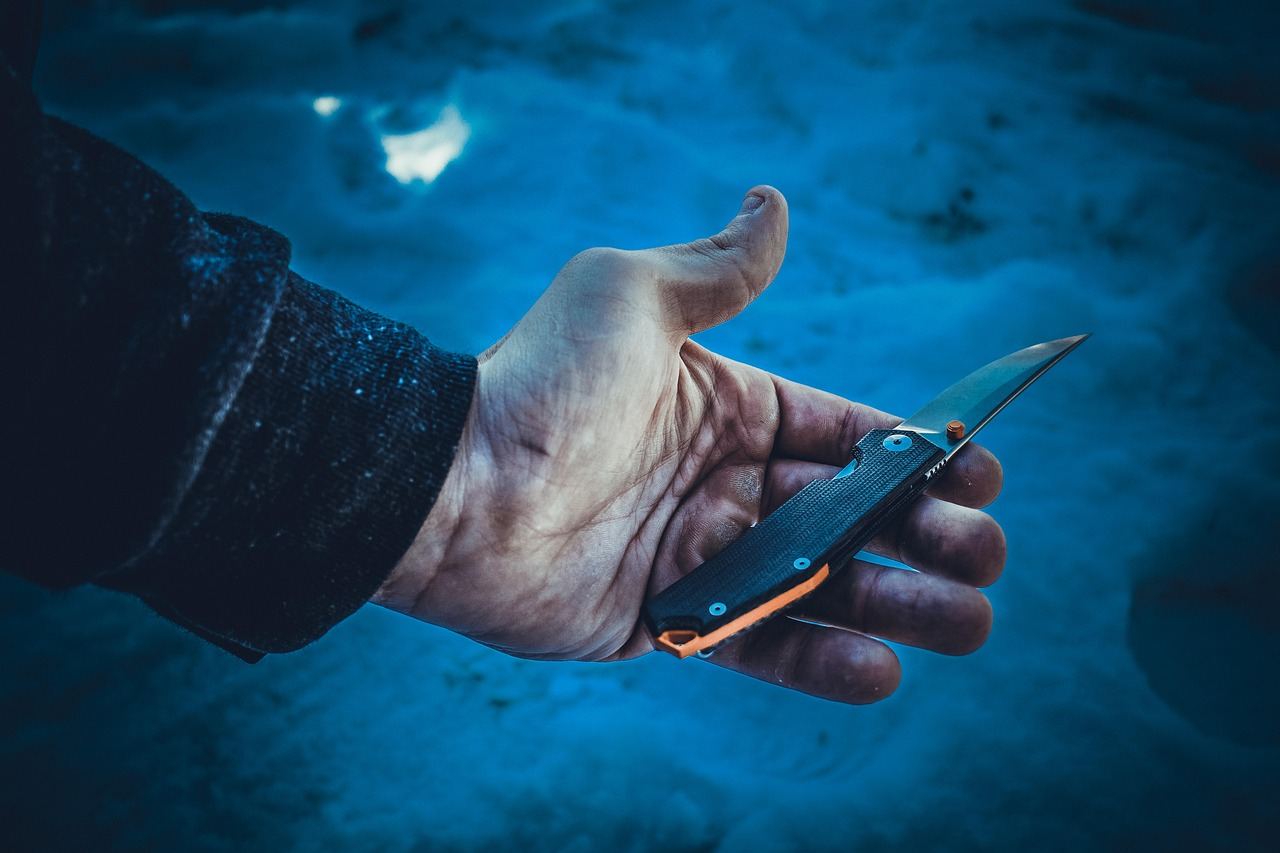
Bushcraft isn’t just for survivalists — it’s really about developing a deeper appreciation for nature and enhancing outdoor enjoyment.
Learning bushcraft as a beginner is focused on developing essential survival skills that enable you to thrive in the wild using natural resources.
Bushcraft involves hands-on tasks in natural settings, such as foraging for edible plants, carving wood for tools, building shelters, starting fires with primitive techniques, tracking animals, and cooking over open flames using wild ingredients.
Bushcraft induces a flow state through immersive challenges like fire-starting and shelter construction, while immediate skill feedback from trial-and-error provides sensory rewards, fostering persistence and a strong sense of accomplishment and self-reliance in the face of nature's unpredictability.
You think bushcraft is only for the doomsday preppers and hardcore survivalists.
Bushcraft is about fostering a genuine connection with nature, appreciating and working with its resources along the way.
Whether you're building a shelter just for fun or honing your fire-starting techniques, bushcraft transforms how you experience the outdoors.
It's about the process.
The thrill of learning.
Not just rallying for survival, but finding joy and purpose in the journey itself.
Your first session will probably feel clumsy in ways you didn't anticipate. You crouch over a small pile of tinder, hands already scratched from gathering wood, and you blow gently into the bundle — and nothing happens. You try again. Still nothing. The gap between watching someone start a friction fire and actually doing it is enormous, and no amount of YouTube prep fully closes it before you're kneeling in the dirt yourself.
The part most beginners don't see coming is how much the environment fights you. Wood that looks dry isn't. The notch you carved in your fireboard is slightly off, and you won't know why until much later. Bushcraft skills are built through failure first — that's not a motivational line, it's just the honest sequence of how this works. Expect your first few attempts at almost anything to produce something between nothing and almost-something.
What does start clicking quickly is your awareness. You notice bark textures differently. You start reading the ground. Even if the fire won't come and the shelter looks like it lost a fight, your senses sharpen faster than your hands do — and that shift feels genuinely good, even in the messy early sessions.
That contrast — sharpening instincts while your technique still lags — is what makes the first few sessions so frustrating and so compelling at the same time. Before you get too far in, it helps to know which mistakes are burning the most time.
When to start: Early morning
Duration: 1 hour
Cost to try: $0
Success criteria: If you can spot three usable natural materials and explain one practical use for each, do session 2.
Bushcraft is deep. Fire-starting, foraging, shelter-building, tracking — it feels urgent to learn it all fast. So beginners scatter their attention across every skill and end up half-decent at nothing.
Pick one skill and stay with it until you can do it reliably. Most experienced bushcrafters suggest fire-starting first — it's foundational, fast to practice, and gives you immediate feedback every single attempt.
Controlled practice builds false confidence. Starting a fire with dry materials on a calm day feels nothing like doing it when the wood is damp and the wind won't cooperate.
Deliberately practice in harder conditions before you need to. Try fire-starting after rain. Build a shelter before dark. The discomfort is the point — that's where the real skill develops.
A quality fixed-blade knife and a ferro rod are genuinely useful. But most beginners stack up gear well before they understand what they actually need it for. The kit becomes a substitute for competence.
Start with less than you think you need, then let real experience tell you what's missing. The gaps in your kit only become obvious after you've spent time in the field without them.
Foraging looks exciting. Sitting with a field guide memorizing leaf shapes does not. So most beginners skip the groundwork and either avoid foraging entirely or take careless risks.
Learn three or four plants completely before moving on to others. Know their seasons, their look-alikes, and every part you can use. Slow and narrow beats fast and shallow every time here — the stakes are real.
Your first bow-drill fire attempt will fail. Your first shelter will have gaps. Your first foraged meal might not taste great. Beginners often read this as a signal to stop, when it's actually just the normal shape of the learning curve.
The feedback loop in bushcraft is immediate and honest — which makes it one of the fastest ways to actually improve, if you stay in it long enough. Every failed fire tell you exactly what to adjust next time.
Start on Reddit. r/Bushcraft has over 400,000 members posting shelter builds, knife reviews, and fire-starting tips daily. r/WildernessBackpacking and r/Survival overlap heavily and are worth joining at the same time.
For in-person practice, look up local bushcraft schools and primitive skills courses — organizations like the Tracker School, Alderleaf Wilderness College, and Jack Mountain Bushcraft School run weekend intensives and multi-day courses. These put you in the field with instructors, not just YouTube.
Search Meetup.com for "bushcraft," "wilderness skills," or "primitive skills" in your city. Many groups organize free weekend outings to state forests and nature preserves. The Ancestral Knowledge Gathering and the Maine Primitive Skills School's annual events are two of the most well-known multi-day festivals in North America where beginners are genuinely welcome.
On Facebook, search "bushcraft" plus your state or region. Private groups often organize low-key camping weekends on public land — national forests and BLM land are the most common venues. These trips are usually free and beginner-friendly.
Primitive fire-starting is where most people begin. Bow drill, flint and steel, fire piston — each method is its own skill to master.
This is the entry point for people who want a concrete, measurable challenge with a very satisfying payoff. The first time you coax smoke into flame, you'll understand the appeal completely.
Foraging focuses on identifying and harvesting wild edibles — plants, berries, fungi, roots. It's slow, observational work that rewards patience over brawn.
It suits people who already love walking in nature but want a reason to look closer. Cooking a meal from ingredients you found yourself changes how food tastes entirely.
Shelter-building and wood carving sit at the craft end of bushcraft. You're shaping raw materials into something functional — a lean-to, a spoon, a knife handle.
This branch is ideal for hands-on learners who want a tangible object or structure to show for their time outdoors. It has a lot of overlap with traditional woodworking, just without the workshop.
Tracking and nature awareness train you to notice what most people walk straight past. Animal prints, broken branches, scat, feeding signs — the landscape becomes readable.
This path draws in people who are naturally curious and observational rather than gear-focused. It requires no equipment, just attention and time.
Bushcraft camping combines everything — fire, shelter, foraged food, carved tools — into multi-day trips where you rely almost entirely on what you carry or make. It's the deepest version of this hobby.
It's not for week one, but it's the version that long-term practitioners describe as genuinely life-changing in how they relate to the outdoors. Start with day trips and work toward it.
If you want a related angle, Deep Sea Fishing is the natural next stop.
Another variant that pulls from the same roots is Saltwater Fishing.
The skill that separates people who improve at bushcraft from those who stall is reading feedback from the natural world and adjusting in real time. Not knowledge. Not gear. The ability to notice what the environment is telling you and respond to it.
Every fire that won't catch, every knot that slips, every shelter that lets wind through — these aren't failures. They're data. Most beginners treat a failed fire-start as frustration. Experienced bushcrafters treat it as a question: wrong tinder, wrong technique, or wrong conditions?
The gap between plateauing and progressing is almost always the habit of asking why before trying again. That single loop — attempt, observe, adjust — is what makes bushcraft genuinely teachable to yourself. Nature gives constant feedback. The skill is learning to receive it.
Once this feedback loop clicks, every outing becomes a lesson rather than a test. That's exactly where the next phase of practice starts to take shape.
Run four sessions over about a month — one every week or two — each focused on a single skill like fire-starting, shelter building, or foraging. That's enough time to get past the awkward first attempts and feel what the hobby actually is.
You got your fire lit, or your shelter standing, and before you even packed up you were mentally planning what to try next. That loop — attempt, fail, adjust, succeed — is the actual hobby, and the fact that it pulled you in means you've found something real. Start learning a second skill alongside the first. The two will reinforce each other faster than you expect.
Indifference after four solo sessions usually means the setting or the skill was wrong, not the hobby itself. Bushcraft changes significantly when you do it with other people — the social pressure and shared problem-solving add a layer that solo practice doesn't have. Try one group outing or a local bushcraft workshop before writing it off entirely.
Discomfort from cold or wet conditions is normal. But if the tasks themselves — the carving, the fire-building, the foraging — felt tedious rather than absorbing, that's a clear signal this isn't your type of challenge. The outdoors might still be your thing. Trail running, landscape photography, or wild swimming deliver that same nature connection without the manual-skill focus.
You found yourself Googling fire-starting techniques or edible plants at home, unprompted, on a weeknight. That involuntary curiosity — pulling out your phone not because you're bored but because you genuinely want to know — is the hobby already taking hold.
You'll need basic tools like a sharp knife, axe, and saw, plus a fire-starting method such as matches or a lighter. A good backpack, rope, and a basic shelter (tarp or tent) are also essential. Many beginners start with just a knife and learn to improvise other tools from natural materials found in the wilderness.
Bushcraft is one of the most affordable outdoor hobbies—you can begin with just $50–150 for essential tools like a quality knife and basic fire-starting gear. As you progress, you might invest more in specialized equipment, but the beauty of bushcraft is that much of it relies on free natural resources rather than expensive gear.
You can learn foundational skills like fire-building, knot-tying, and basic shelter construction within a few weeks of regular practice. However, bushcraft is a lifelong learning journey—mastery of all skills typically takes months to years of consistent engagement in different environments.
Bushcraft is safe for beginners when you follow proper safety practices and start in controlled environments like established campsites or local forests. Common risks—knife cuts, burns, and exposure—are easily mitigated through careful tool handling, fire management, and appropriate weather preparation.
Bushcraft works equally well as a solo or group activity—many people enjoy the solitude and self-reliance of practicing alone, while others prefer learning in groups for safety and social engagement. Starting with a mentor or group is often recommended for beginners to learn proper techniques quickly.
Camping typically involves using pre-made equipment like tents and sleeping bags to enjoy nature, while bushcraft focuses on survival skills and building shelter and tools from natural materials. Bushcraft emphasizes self-reliance and working with the environment rather than bringing comfort items into the wilderness.