BoredomBusted — Find Your Next Favorite Thing To Do
Discover hobbies, activities, places, and ideas that spark joy. Whether you're looking for something creative, active, social, or relaxing, BoredomBusted helps you find your next favorite thing to do.
Browse our hobby guides, things-to-do collections, and place ideas to never be bored again.
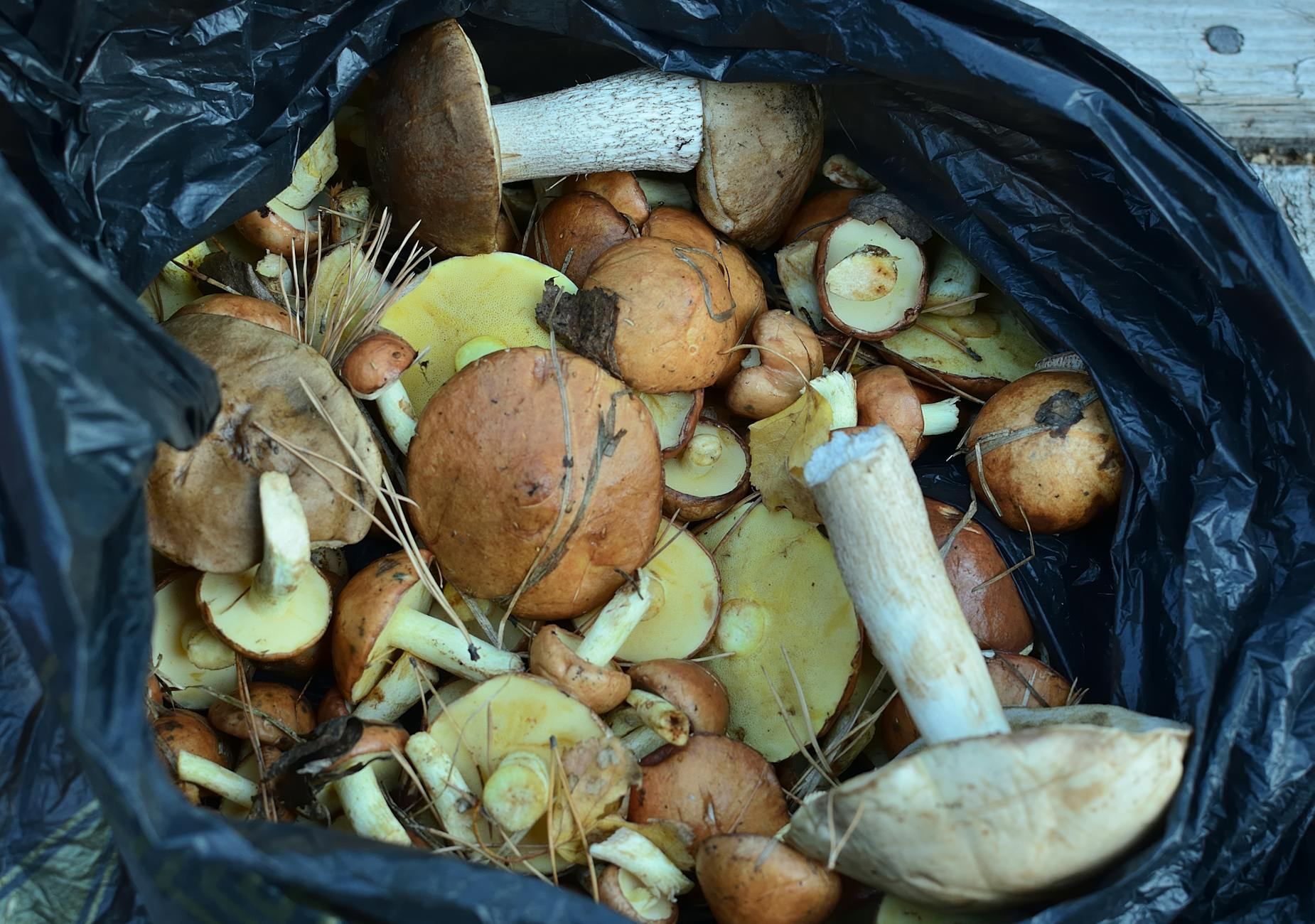
Foraging isn't solely for experts or gear-heavy adventurers; even beginners with a basic guide can safely enjoy wild edibles.
Learning foraging as a beginner opens up a world of wild foods like plants, mushrooms, and fruits that you can gather directly from nature.
You learn to identify and collect what's edible in the world around you.
Find sustenance while connecting deeply to the environment. It's a sustainable way to interact with nature.
Foraging involves physically searching natural environments like forests and fields for wild edible plants and mushrooms, identifying them by visual characteristics, and harvesting them using tools like knives and scissors, before preparing the finds at home into meals or natural remedies.
Foraging fosters a flow state through focused activities like plant identification and terrain navigation, providing immediate feedback from successful harvests, a sense of accomplishment from self-sourced food, and the thrill of seasonal novelty that turns routine outings into adventures.
You think foraging is a risky venture better left to seasoned pros or survivalists.
The truth is, beginners can explore it safely if they start with the right tools and guidance.
Take Ella, who began her foraging journey with less than $30. She bought a simple pocket guide to identify safe herbs and berries.
A small basket. A reliable field guide. Basic gear is enough to begin. As you gain experience, you can gradually add more tools to your kit.
Ready to dig deeper? Let's talk about the unexpected places you might find your next wild meal.
Walking slowly through overgrown areas leaves your legs aching. The scent of crushed leaves and earth is surprisingly strong. You'll second-guess every plant you find, consulting your field guide multiple times.
Your hands will get stained green, but you'll feel a genuine thrill when you correctly identify your first edible plant. It's a possessive feeling, realizing you've walked past these resources countless times without noticing them.
However, not all "edible" plants taste appetizing. Raw chickweed tastes like grass, and you'll need to forage quite a bit before gathering enough for a real meal.
When to start: Early morning
Duration: 1 hour
Cost to try: $0
Success criteria: If you identified two edible plants and collected labeled samples with notes on where each grew, do session 2.
New foragers want to identify everything on the trail. That ambition stalls them — they end up half-knowing a dozen plants instead of truly knowing any.
Start with dandelions and nettles — full stop. Both are distinctive, widespread, and useful. Once you can ID them confidently in any season, add one new plant at a time.
One field guide isn't enough. Photos vary by season, region, and printing quality — and a single misread can matter.
Cross-check with a field guide AND a local expert before eating anything new. A regional foraging walk with someone who knows your local flora is worth more than any app.
Eating three new plants in one sitting feels like progress. It isn't — if your stomach turns, you'll have no idea which one caused it.
Try one new plant per day, in portions under one ounce. Slow, but it keeps you safe and gives you clean data if something goes wrong.
The lookalike problem is real. Wild carrot and poison hemlock grow in the same places and look nearly identical to an untrained eye.
If you have any doubt, leave it. Certainty isn't a high bar to clear — it just means you can name the plant, describe its identifying features, and confirm them against two independent sources.
Roadside verges and manicured city parks look full of plants. They're also full of exhaust residue, herbicide runoff, and dog waste.
Avoid foraging near roads or pesticide-treated parks. Harvest away from pet areas too — bacterial contamination from animal waste is a real risk, even on plants you wash.
Eat the Neighborhood attracts 1,026 members wanting to explore Chicagoland. IL Mycological Assoc dives deep into mushroom forays with 1,230 members. Find community in the Tacoma Permaculture Meetup, 1,060 members strong.
Explore **Sussex Bushcraft Group with 1,140 members or join Foothill Foragers, where 1,789 enthusiasts gather. For a larger circle, the Los Angeles Mycological Society** boasts 2,262 members.
In Asheville, North Carolina, join a highly rated foraging tour. Eagle Bluff Environmental Learning Center in Lanesboro, MN offers intro classes. Or experience FLX Wild hikes in the Finger Lakes with the bonus of glamping.
Active search foraging involves seeking specific items in unfamiliar spots. This requires expertise, recognition skills, and patience. Mushroom hunting is a classic example. Expect unpredictability—success isn't guaranteed, and you might leave empty-handed.
Seasonal return foraging means visiting known spots regularly. Get consistent results as you gain local knowledge. Experience leads foragers to this method, offering the comfort of familiarity and steady yields.
In solitary foraging, you seek items alone, staying unnoticed by predators. Group foraging relies on teamwork with communication tactics. Complex but can be more efficient than working alone.
Opt for cruise searching if you're patrolling an area's borders. Choose ambush searching to wait patiently in one spot. Each technique offers different advantages depending on the environment.
Beginner-friendly foraging focuses on easy-to-identify, abundant plants. Start with dandelions, nettles, and blackberries in areas where they grow plentifully and recognition is straightforward.
For something adjacent, see Diving.
Another variant that pulls from the same roots is Deep Sea Fishing.
Leaf shape and vein patterns are the foundation of plant identification. Many foragers focus on taste and timing, but there's a critical skill they often overlook.
If you can't tell a plant apart from its toxic lookalike, you can't eat it safely. Notice the leaf's structure: is it opposite or alternate? Are the edges smooth or serrated? What's the vein pattern?
Nail this and you've unlocked a major tool for identification. With this knowledge, you can spot 80% of edible plants by leaves alone. Harvesting, finding, and preparing come naturally once you know exactly what you're seeing.
This hobby suits you if you prefer Saturday mornings in the woods over leisurely shopping at a farmer's market. You feel frustrated when you can't identify plants nearby, sensing you're overlooking something obvious. You're open to learning and willing to be wrong, always double-checking field guides before consuming anything.
This might not be your hobby if you need predictable, immediate results. Foraging seasons can be short and unpredictable, and you may find nothing on some outings.
It's challenging if urban living means no regular access to undeveloped land for practice.
Unwillingness to risk plant misidentification and potential illness signals this isn't the best fit for you.
For ideas that take five minutes instead of five weeks, see things to do when you're bored.
Use a reliable field guide specific to your region and cross-reference plants with multiple sources before harvesting. Learn key identification features like leaf shape, stem color, and smell, and when in doubt, don't eat it—many poisonous plants closely resemble edible ones. Start with easily identifiable species like dandelions or berries before moving to harder-to-distinguish plants.
You'll need a sharp knife or pruning shears, a basket or bag for collection, and a regional foraging guide or app for plant identification. Many foragers also carry gloves for protection and a camera to document plants for verification. As you progress, you might invest in a field microscope or specialized guides, but beginners can start with just these basics.
This depends on the season, your location, and your experience level—beginners might spend 2–4 hours to gather a modest meal, while experienced foragers can be more efficient. During peak seasons with abundant wild edibles, you'll find food faster than in lean seasons. It's important to view foraging as a slow, exploratory activity rather than a quick grocery run.
Foraging legality varies by location—national parks typically prohibit it, while some state forests and public lands allow it with restrictions. Check with your local parks department or land management agency before harvesting. Always ask permission on private property and respect local regulations to avoid fines.
Spring and fall offer the widest variety of edible plants and mushrooms, though each season has unique offerings—spring brings greens and shoots, summer offers berries, and fall provides nuts and roots. Starting in spring gives you time to learn plant identification before the more productive seasons arrive. Avoid winter unless you're specifically hunting for evergreens or stored roots.
Yes, but you should start by learning to identify 3–5 common, easily distinguishable plants in your area before venturing out alone. Taking a guided foraging walk with an expert is an excellent way to build confidence and avoid dangerous mistakes. Many communities offer foraging classes or local experts who can teach you proper identification and safety practices.