BoredomBusted — Find Your Next Favorite Thing To Do
Discover hobbies, activities, places, and ideas that spark joy. Whether you're looking for something creative, active, social, or relaxing, BoredomBusted helps you find your next favorite thing to do.
Browse our hobby guides, things-to-do collections, and place ideas to never be bored again.
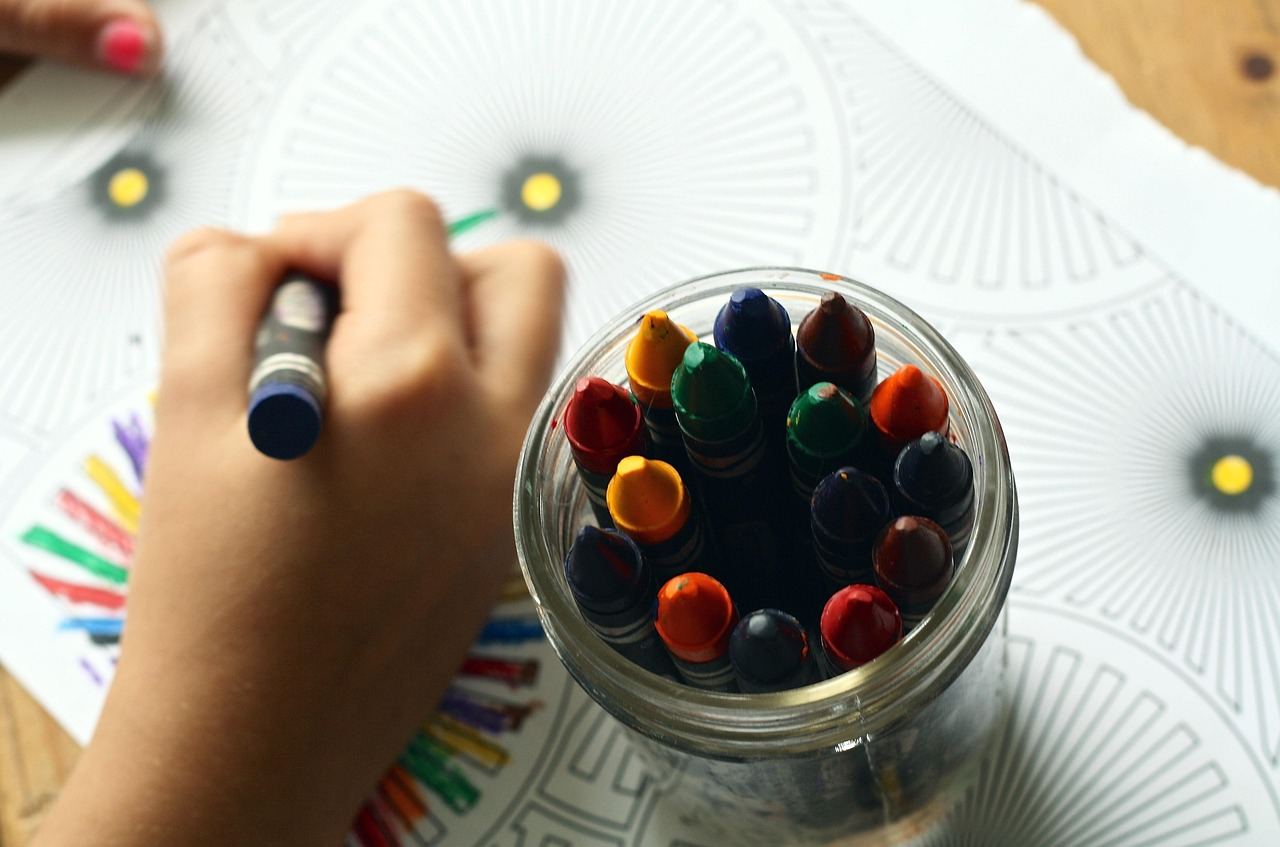
Coloring isn't just a leisure activity — it sharpens your color theory skills and builds design confidence in ways traditional art can't match.
Getting started with adult coloring books as a beginner is a relaxing and creative way to express yourself through intricate illustrations – intricate patterns, detailed scenes, or therapeutic designs you fill in with colored pencils, markers, or gel pens.
Unlike freehand drawing, you never start from a blank page – the structure is already there.
That's what separates it from art journaling or sketching:
In adult coloring, hobbyists select intricate pre-printed pages and fill them with color using pencils, markers, or pens, focusing on choices like color harmony and shading while progressing section by section until each page feels complete.
This hobby induces a flow state through repetitive, focused motions, providing immediate visual feedback and a sense of accomplishment, which together engage the mind and create a meditative experience that counters boredom.
You think coloring is a pastime for those avoiding "real" art. A box of colored pencils and a mandala – how serious could it get?
That assumption is costing you one of the most deceptively skill-rich hobbies available to adults.
Color theory becomes crucial with every stroke. Picking colors that sit beside each other teaches lessons professional artists struggle with for years.
Lines are not limits. Working within pre-drawn boundaries demands precision and intention that open canvases don't.
Focused coloring taps into flow states akin to meditation. It's not mindless; it requires just enough attention to block out distractions.
A pro designer turned to adult coloring books not to relax, but because it restored her confidence with color choices faster than any software tutorial could.
The tools you choose next will either support that growth or quietly limit it from day one.
Watching someone color looks like pure calm — organized, effortless, almost meditative. Then you sit down, pick up a pencil, and immediately second-guess every color choice you've made in the last thirty seconds.
The gap between "that looks relaxing" and "why does my gradient look like a bruise" is real, and it hits faster than you'd expect. Week one is mostly color selection paralysis — you'll spend more time hovering over your pencil case than actually touching the page. That's not wasted time — that's how your eye starts calibrating.
Quit. Come back. Quit again. That's what week one looks like for almost everyone who sticks with this — not a personality flaw, just the pattern. By week two, hand pressure gets more consistent and flat color starts developing actual depth. By week three, finishing a page — instead of abandoning it halfway — quietly changes how the whole session feels.
By week four, you have opinions. Paper weight. Colored pencils versus markers. Which pages you actually want to color. Colored pencils and markers behave completely differently on the same page — mixing them without knowing layering order will bleed or pill the paper. Start with one medium and finish the page before experimenting. The next section covers the specific mistakes that stall people before they ever get to week four.
When to start: Morning
Duration: 1 hour
Cost to try: $0 (using supplies you already have)
Success criteria: If you finish one page with at least three distinct color sections filled cleanly inside the lines, do session 2.
Most people press hard to cover fast, aiming for solid color. This crushes your ability to layer effectively while coloring. Start with a light touch and build up in 3–4 thin layers.
Drowning in colors can overwhelm beginners. A big set feels empowering but leads to overthinking. Begin with a 24-pencil set to truly learn color relationships.
Coloring every shape with left-to-right strokes makes your art appear flat. Vary stroke direction to echo the shape's form.
Leaving space feels unfinished to many, but it's key to depth. Keep some areas uncolored to create highlights and dimension.
Alcohol markers bleed through thin pages, ruining multiple illustrations. Switch to water-based markers, or place a scrap card behind the page.
Adult coloring thrives in both solitary and small-group settings. Your living room couch is as good a place as any to get started.
Libraries, coffee shops, and craft stores like Michaels often host coloring events. Look for arts and crafts studio-style nights more frequently than you'd expect.
No national body or gatekeeper exists for adult coloring. Just introduce yourself as a newcomer, and people will help you find your way.
Mention that you're figuring out which supplies you prefer. You'll likely get advice, a chance to test others' colors, and a new spot beside the group's seasoned pro.
Dense, symmetrical patterns dominate these pages. Perfect for switching your brain off entirely, they demand quality pencils. Cheap ones can ruin your experience.
Nature and botanical books mix detailed sections with open space. They let you decide between realism or stylized work — no single right answer on the page.
Narrative books feature castles, forests, and characters. Ideal for those who get bored easily, but be ready for challenging detail on some pages.
Grayscale books come pre-shaded. Best for adding color without fussing over depth. The tough part — shading — is already done.
Watercolor books use thicker paper built to handle paints without warping or bleeding through. Skip this as your first book — come back once you know what you enjoy.
A close neighbor worth considering: Mandala Coloring.
If this resonates, Strings explores a similar direction.
If this resonates, Knitting explores a similar direction.
Most beginners obsess over staying perfectly inside the lines. That's not the skill – choosing how light falls across a page is.
The one skill is directional shading: deciding where your imaginary light source sits, then consistently pressing harder on the shadow side and lifting pressure toward the light.
Every pencil stroke follows that logic. Without it, you're just filling space with color – with it, you're building something that looks three-dimensional.
Flat, muddy results almost always trace back to this – not the brand of pencils, not the paper.
Once you control light direction, your colors start doing something instead of just sitting there. Without it, you can spend $80 on Prismacolors and still produce work that looks like a kid's coloring page.
Thirty days. Try eight sessions, a mix of styles like mandalas and botanicals. You'll know if it sticks.
If you keep reaching for your book, even sneaking minutes before bed, that's real interest. Upgrade your supplies to deepen your experience, like better pencils or a new book style.
Indifference after eight sessions usually means mild interest but less connection. Change the scene: quieter rooms, background music, phone off. Give it one more month before deciding it's not for you.
If you dread opening the book, take that seriously. Some love the idea of coloring but not the act. This isn't about patience; it's simply not appealing.
If you find yourself wondering about blending techniques from other people's pages, your curiosity isn't idle. Your mind's already engaged.
No art experience is needed—adult coloring books are designed for all skill levels. The pre-drawn designs guide you, so you only need to choose colors and fill in the spaces. Many beginners find this appealing because there's no pressure to draw from scratch.
You'll need a coloring book, colored pencils, markers, or gel pens—whatever medium you prefer. Quality materials like colored pencils offer better control and blending, but budget-friendly options work fine for beginners. Many people also use markers for bold colors or watercolors for a softer effect.
You can start for $15–40 total: a coloring book ($5–15) and a basic set of colored pencils ($10–25). Premium supplies and larger book collections cost more, but the hobby is accessible at any budget level.
Most pages take 30 minutes to 2 hours depending on complexity and your pace. Simpler designs finish faster, while highly intricate patterns with small details take longer—there's no right speed, so you can work at whatever pace feels meditative.
Adult coloring promotes relaxation by encouraging focus on the present moment and reducing mind-chatter, similar to meditation. The repetitive, creative action activates the same calming brain regions as other mindfulness practices, making it effective for managing anxiety and unwinding after stressful days.
Adult coloring books range from mandalas and geometric patterns to nature scenes, animals, fantasy worlds, and abstract designs. You can find books themed for specific interests like landscapes, florals, or pop culture, so there's something for every taste and complexity preference.