BoredomBusted — Find Your Next Favorite Thing To Do
Discover hobbies, activities, places, and ideas that spark joy. Whether you're looking for something creative, active, social, or relaxing, BoredomBusted helps you find your next favorite thing to do.
Browse our hobby guides, things-to-do collections, and place ideas to never be bored again.
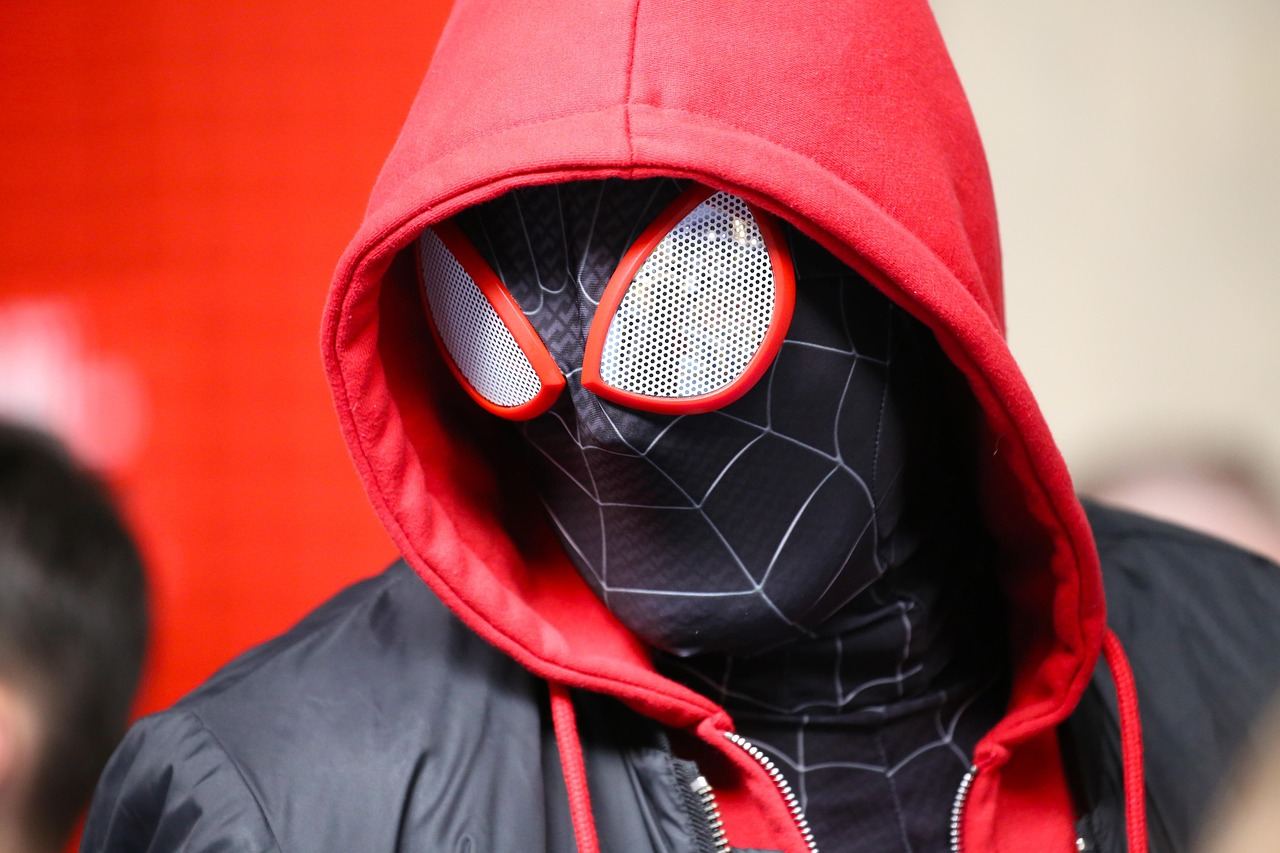
Cosplay crafting isn’t reserved for experts; you can create impressive designs from simple materials and your imagination, with deadlines to keep you motivated.
Learning cosplay crafting as a beginner opens up a creative world where you can build wearable costumes from scratch through sewing, sculpting, wiring, and painting to replicate characters from games, anime, film, or original designs.
Unlike costume collecting or dress-up, the point is the making – crafters design patterns, cast foam armor, and fabricate props by hand, treating accuracy and construction quality as the actual goal.
In cosplay crafting, hobbyists engage in the hands-on creation of costumes, props, and accessories that replicate characters, using materials like EVA foam and fabric, involving actions such as cutting, shaping, assembling, and painting to achieve precise details.
Cosplay crafting fosters a flow state through focused, multi-step tasks that balance challenge and skill, allowing for tangible progress feedback and a sense of accomplishment, while also encouraging creative expression and social belonging within the cosplay community.
You think cosplay crafting is for people with a sewing room, a 3D printer, and six months free.
You're picturing Comic-Con-level armor, not something you'd actually attempt on a Tuesday night.
That assumption is keeping you from one of the most satisfying maker hobbies you can start with a glue gun and $20.
A first-time builder made a recognizable Mandalorian helmet from a cereal box, craft foam, and spray paint.
It wasn't screen-accurate. It was finished, it was worn, and three strangers asked for photos.
That's where you begin.
The next question is what your first build actually looks like, and the answer is more forgiving than you think.
Watching someone on YouTube turn foam and hot glue into full armor looks fast. It isn\u0027t. There\u0027s a version of this hobby that lives in your head, and then there\u0027s the version where you burn your fingers three times before lunch.
It starts with a clear photo, foam sheets, and a surge of confidence. You think the budget will hold and the timeline is a rough guide. These expectations unravel quickly.
Soon, that reference photo feels like a taunt. The foam never cuts right. Confidence shifts to doubt by the hour. Budgets grow, deadlines stretch. The so-called plans are just guesses when you\u0027re knee-deep in the reality of crafting.
Initially, you\u0027ll spend more time gathering materials than actually crafting anything. The result of the first piece feels disappointing. Redoing projects is where actual progress hides.
Self-doubt and frustration are constant companions. But they aren\u0027t reasons to stop. This struggle is precisely what narrows the gap between beginners and those who push through.
Foam shaping demands a heat gun. A hair dryer won\u0027t cut it. Using the wrong tool isn\u0027t a personal failure—just a gear misstep. Next, we'll dive into common mistakes and how to avoid them before they stall your progress for too long.
When to start: Morning
Duration: 1.5 hours
Cost to try: $15
Success criteria: if you finished without losing pieces or burning yourself, do session 2.
It's tempting to recreate your favorite ultra-detailed armor set. But then you discover it involves 47 foam pieces and intricate moving parts.
Choose simpler designs for your first attempts. A character with a basic silhouette allows you to work with just a couple of materials, keeping it manageable.
Foam and fabric don't move the same. Hot glue alone can't handle the stress of movement. You'll see it fail as soon as you sit or raise your arms.
Use contact cement for strong foam bonds. Attach foam to fabric by hand-stitching or using fabric glue.
Screenshots distort reality. They're affected by camera angles and lighting, which makes them poor sources for patterns.
Measure your own body first. Use these measurements as the base for drafting your pattern, checking proportions against your reference image.
Thermoplastics like Worbla seem straightforward in videos but are harsh in practice. They also cost quadruple the price of EVA foam for the same size.
Always start with EVA foam. It lets you learn heat shaping, sanding, and sealing without costly errors.
Painting directly on foam results in uneven coverage and cracks the moment it flexes.
Apply two coats of Plasti-Dip or Mod Podge to prime it. Then paint and seal with matte varnish to ensure durability throughout a busy convention day.
Cosplay crafting often begins at home, whether on a kitchen table covered in foam or in a garage workshop.
You can also find sessions in makerspaces, craft studios, or even at convention workshops.
Your best bet is to start with Facebook Groups. Search for "cosplay crafting [your city]" or "cosplay makers [your state]" to find active groups.
Meetup.com is another great tool. Search "cosplay" and filter by location to find prop-building and sewing circles near you. Watch for those, not generic fan meetups.
Reddit has communities too. Go to r/cosplay and r/cosplayprops, then post about finding local crafters in your region. Someone there likely knows a Discord group or chat that isn't listed publicly.
Visit your city's convention center. Ask about their cosplay community or craftsmanship tabs. Many cons have year-round meetups, not just during events.
Cosplay crafting communities thrive online, through Discord servers and on local convention circuits. Simply saying, "I'm starting out and figuring out materials," can open doors to seasoned cosplayers eager to share their foam toolkits and financial tips.
Use clothes you already have or thrift-store finds to create a costume. No sewing, foam, or fabrication involved. Perfect for beginners wanting to see if cosplay is enjoyable without spending money on materials.
Dig into creating helmets, swords, and armor from foam and resin. You need patience more than artistry for this one. If building things as a kid was your jam, this might be for you. Initial tools will run $50–$200.
Focus on the clothing itself with elaborate gowns, suits, and robes. Cosplay crosses into true dressmaking here, showing off skills in garment construction. Ideal for those already handy with a sewing machine or eager to learn.
Coordinate with friends to create a matching set of characters. Half the fun is coordinating with the crew, but one person dropping out can derail the whole plan. Ideal for groups fully committed to the project.
Designed specifically for evaluation on accuracy, quality, and performance. This is not beginner-friendly, requiring serious building experience of at least a few years. Major conventions see $500+ investments as the norm.
Readers who enjoy this often gravitate toward Costume Making next.
For something adjacent, see Blacksmithing.
Readers who enjoy this often gravitate toward Glassblowing next.
Success in cosplay crafting hinges on structured reference analysis. Beginners chase better materials without understanding their references. No amount of EVA foam fixes that. The key is analyzing a costume image, breaking it into layers before touching any material.
You're not just looking at the picture – you're interrogating it.
What's the base shape under that armor piece? Where does light suggest an edge? Is that texture painted or physical? Train your eye to extract construction logic from a 2D image, not just aesthetic vibes.
When you can truly analyze a reference, your material choices become precise. You're matching construction decisions to what the design truly requires. Skip this step, and your builds might look "off" in ways you can't pinpoint, because you're reacting to surface details, not the underlying structure.
The cosplayers who finish clean builds aren't rushing. They invest time in reference analysis before cutting anything.
Plan for 6 sessions in 30 days. About one session every five days should do it.
If you find yourself planning between sessions, that's the hobby clicking for you. Take on a mid-scale project next and dive into the tools section for guidance.
If those sessions leave you feeling indifferent, the crafting might not be the draw. But trying a session focused on costume design or makeup could be the spark you're looking for.
If the thought of another session feels like a chore, that's valid feedback. This hobby isn't always about the end result but the process. If the process frustrates you, it's okay to move on.
You can't resist tweaking ideas from build videos. That quiet urge to improve or modify means you're in tune with the craft.
Physical challenges like hand pain can make foam carving and stitching tough. Access to tools and a dedicated space is crucial, or setup can become a barrier. Without deadlines, the open-ended nature of cosplay might lead to stalling if self-motivation isn't a strong suit.
When you don't want to commit, things to do when bored is a better starting point.
Cosplay costs vary widely depending on complexity and materials—simple costumes can start around $50–100, while detailed armor or character pieces may run $300–1,000 or more. You can control costs by using budget fabrics, thrifting base pieces, and repurposing household items creatively.
You don't need advanced skills to begin—many cosplayers start with no experience and learn as they go. Basic abilities like hand-sewing, fabric gluing, or 3D-printing are helpful, but online tutorials and community guides make it possible to pick up techniques for your specific project.
Timeline depends on complexity: simple costumes might take 2–4 weeks of casual work, while intricate builds with armor, props, and effects can take 2–6 months or more. Most cosplayers dedicate 5–15 hours per week depending on their deadline and detail level.
Basic supplies include fabrics (fleece, spandex, cotton), fabric glue or a sewing machine, scissors, and heat-setting tools. Beyond that, you'll add materials based on your character—foam for armor, paint, thermoplastics, wigs, and specialty adhesives become essential as you tackle more ambitious projects.
While conventions are the main showcase, cosplay extends beyond that—many crafters enjoy photo shoots, local meetups, themed events, and online communities where they share their work and get feedback. The craft itself is rewarding regardless of where you debut your costume.
Yes, absolutely—many cosplayers hand-sew or use fabric glue and heat-setting methods to avoid sewing entirely. Your options expand when you focus on non-fabric builds like foam armor, 3D-printing, or armor-making techniques that don't require traditional sewing skills.