BoredomBusted — Find Your Next Favorite Thing To Do
Discover hobbies, activities, places, and ideas that spark joy. Whether you're looking for something creative, active, social, or relaxing, BoredomBusted helps you find your next favorite thing to do.
Browse our hobby guides, things-to-do collections, and place ideas to never be bored again.
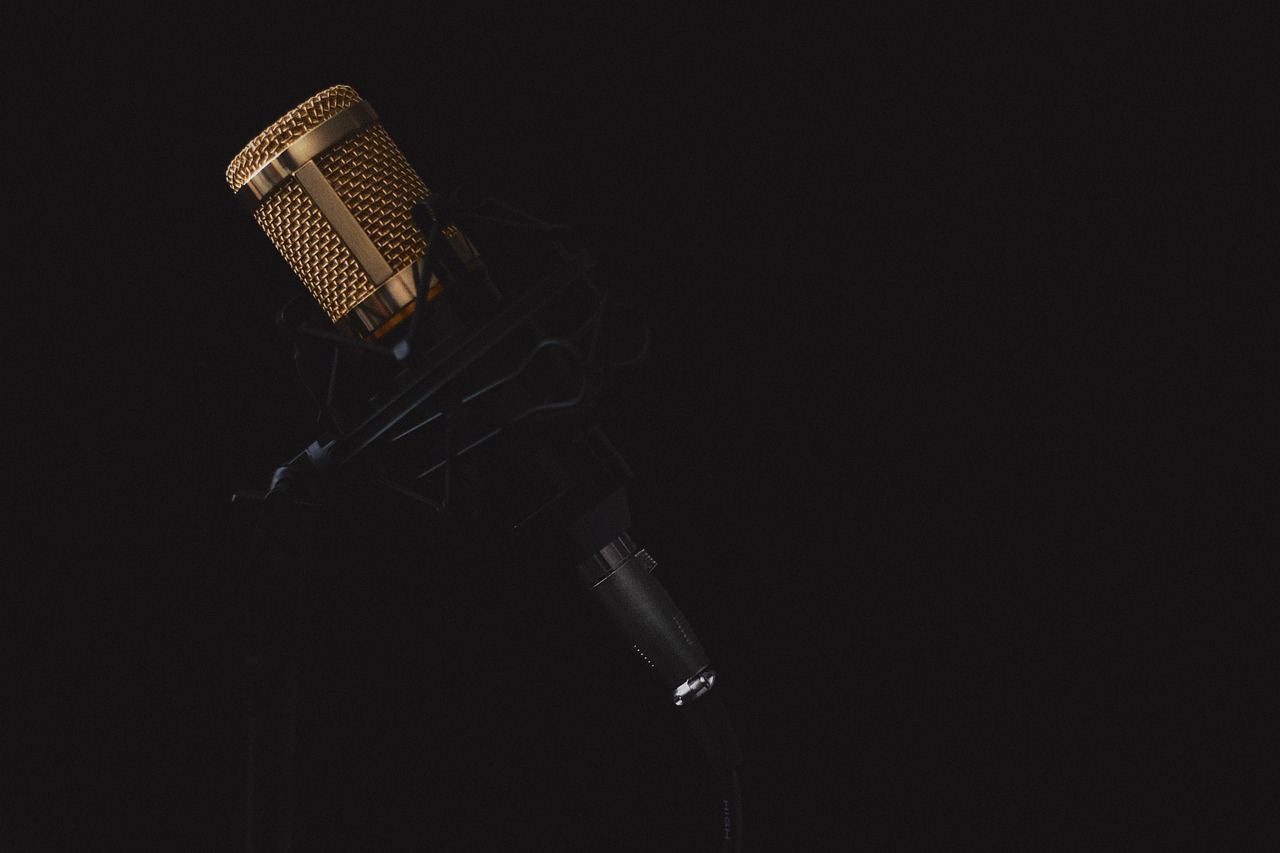
Audio storytelling is a spatial art where silence and sound create intimacy, revealing emotional depths that visuals can't match.
Learning audio storytelling as a beginner focuses on the art of crafting engaging narratives that are meant to be experienced through sound rather than text – built from voice, sound design, music, and silence working together.
Unlike podcasting, the story itself is the product, not the conversation.
What separates it from writing is that the listener's imagination does half the work – and you're the one setting the stage.
In audio storytelling, hobbyists engage in field recording to capture real-world sounds, create scenes by layering audio elements, and edit these recordings into polished narratives, often using smartphones or digital recorders for personal or community sharing.
This hobby induces a flow state through continuous auditory engagement, provides rapid skill feedback via instant playback of recordings, and fosters a sense of accomplishment as creators produce shareable audio pieces, combating feelings of boredom with active engagement and creative expression.
You picture audio storytelling as recording yourself reading into your phone. A podcast, maybe. Something playing in the background on a long drive.
That picture undersells what the medium actually does to a listener. Cecile Emeke's audio work doesn't feel like content — it removes the screen entirely, and that removal collapses the distance between the voice and whoever's listening. Visuals give your brain an anchor. Without them, the listener's imagination does the work — and imagination is more vivid than anything a screen can render.
Audio storytelling is a spatial craft. Silence, pacing, and ambient sound shape how a story feels — not just how it's heard. A two-second pause before a line lands harder than any visual cut, because the listener fills that space with their own dread, anticipation, or grief.
The skill set is real. Voice acting, sound design, scriptwriting, audio engineering — you're building a small ecosystem, not just hitting record. That breadth can feel like a lot at first.
Intimate. Alone. Headphones in the dark. That's the context your listener is in — and no other format reaches people in that state the way a well-crafted audio story does.
The practical side of getting there is more accessible than most people expect. What you actually need to start is the next question.
The first session feels stranger than expected. Your voice sounds wrong in the headphones — thinner, or too loud, or just unfamiliar. You lose your place in the script, re-record the same line four times, and wonder if everyone sounds this awkward starting out.
The part beginners don't see coming is the plosive problem. Hard P and B sounds hit the mic like a physical object — a pop that ruins an otherwise clean take. Most people lose their first few usable recordings to this before anyone warns them. Two fingers between your mouth and the mic, or a slight off-axis angle, fixes it immediately — but only if you know to try it.
The first couple of weeks are mostly listening back to awkwardness. You'll spend session two cursing the HVAC and hanging blankets in doorways. Cringing at your own playback isn't a bad sign — it means your ear is already ahead of your technique, and that gap closes faster than it feels like it will.
By week three or four, pacing starts to feel controllable. You find your breathing spots. A sentence lands the way you heard it in your head, and that small moment is what keeps people going. The shift from performing to actually speaking — just talking — happens quietly and without announcement. The next section covers the mistakes that delay that shift for longer than necessary.
When to start: Morning
Duration: 1 hour
Cost to try: $0
Success criteria: If you record and edit a 60-second story with clear narration plus one music or sound effect layer, do session 2.
Hard walls and high ceilings turn your voice into a reverb chamber. Once recorded, that echo can't be edited out. Your recording space matters as much as your gear
Most beginners write their script like a blog. Listeners feel it when sentences that read well on paper collapse when spoken aloud. Read your script out loud and cut anything that trips you up or leaves you breathless
Beginners let emotion move the mic, leaning in for emphasis, pulling back when they laugh. This forces listeners to constantly adjust their earbuds. Keep your mouth a consistent fist-width from the mic, and let your voice carry the emotion
Silence feels like dead air when you're behind the headphones, so beginners remove it all. The result sounds like an over-eager conversation with no breathing room. Pauses are punctuation. Leave any gap shorter than two seconds that follows a meaningful line
Switching between formats confuses listeners—episode one is a monologue, episode two an interview, and episode three a narrative. The audience doesn't know what to expect. Stick to one format for at least six episodes before deciding it isn't working
Meetup.com is your first stop. Search "storytelling slam [your city]" for events mixing live performance with recorded narrative. Regular attendees often include podcasters who can share their insights.
For an official presence, check out the National Storytelling Network (NSN) at storynet.org to find local chapters. They offer resources and connections within the storytelling world.
Facebook Groups also have what you're looking for. Search for "narrative podcast community" or "audio drama collective [your city]" to connect with those focused on production aspects.
Podchaser's creator community and Reddit's r/podcasting and r/audiodrama are excellent spots for finding collaborators and feedback partners, with dedicated threads for newcomers.
Say you're new and eager to learn. This line opens doors. Experienced members love to share their passion by helping with mic technique, story structure, or editing basics.
Solo narrative podcasting is you, a mic, and your voice carrying the whole thing. A USB mic in the $50–$100 range is genuinely enough to start.
This format works because no one else's schedule, gear, or performance quality can derail your episode. Full creative control, lowest barrier to entry.
Scripted fiction is radio drama rebuilt for the internet — characters, sound effects, original music, the works. You're writing, directing, and producing simultaneously.
Budget for actors and music licensing before you start, because the production costs scale fast once you cast real people. Writers who've never directed before often underestimate this.
Interview-style podcasting is about drawing stories out of guests rather than delivering your own. Your job is to ask the right question and then get out of the way.
The format is forgiving technically, but your output quality is only as good as your guests and your ability to shape the conversation. That's the real skill here.
Documentary audio uses field recordings and archival material to investigate something real. Think reported longform journalism, not studio conversation.
You'll need a portable recorder ($100–$200) to capture location audio. But the bigger investment is the reporting — finding the story is harder than recording it.
Immersive audio places sounds in 3D space around the listener using binaural and spatial audio techniques. It's a genuinely different medium, not just a fancier mix.
This is the hardest format to produce well. Most listeners won't experience it correctly unless they're using headphones — which is a real distribution problem worth solving before you commit.
If you want a related angle, Etching is the natural next stop.
If this resonates, Sketching explores a similar direction.
If this resonates, Pencil Drawing explores a similar direction.
Beginners often focus too much on audio quality. They chase better mics, quieter rooms, cleaner edits.
But the mic never fixes a story with no clear direction.
The real skill that elevates storytelling is scene-level tension architecture. This means knowing what each scene conceals and when it will reveal it.
Not "this episode is about grief." More like: the listener senses something happened, but not what.
You ration the reveal across exactly four beats.
Without this skill, episodes might feel complete but are soon forgotten. The listener finishes and instantly forgets why they cared.
With it, pacing issues mostly disappear. Every cut and pause serves to either protect the secret or finally reveal it.
Plan for 8 sessions over 30 days, about two each week. That's enough time to write a short script, make a rough recording, and feel the gap between what you imagined and what came out of the speakers.
If you're mentally rewriting a scene while doing something unrelated, that's the hobby talking. You're not just enjoying the output — you're already thinking like a producer. Start a simple production log and begin hunting for free sound libraries before the next session.
If the sessions felt like just another task, that's honest data. Try one session where you skip the script entirely and just play with layering found sounds — some people need to hear something they built before the writing process clicks.
If you actively dreaded sitting down to record, don't reframe that. Editing felt like punishment, not a puzzle. Better gear won't fix a fundamental mismatch between you and solitary audio work.
The sign that it's real: you're cataloguing a sound you heard in a parking garage at 11pm, not because you planned to, but because your brain filed it away automatically.
Consistent background noise from roommates or young children isn't a minor inconvenience — ambient noise ruins takes and kills momentum faster than any gear limitation. A quiet, private recording window is a real prerequisite, not something to work around.
Most of this hobby happens alone with headphones on. If extended solitude consistently drains you, the immersive quality that attracts most producers will feel like isolation instead.
Significant hearing loss makes mixing a genuine obstacle — the feedback loop between what you hear and what you adjust is the core skill, and it's hard to build without reliable audio perception. Patience won't fully compensate for that.
Sometimes you just need something for the next ten minutes — that's what things to do when bored is for.
You can begin with minimal gear—a smartphone or basic USB microphone and free recording software like Audacity or GarageBand are enough to start. As you progress, you may invest in better microphones, headphones, and editing tools, but beginners don't need expensive equipment to create compelling audio stories.
A short 5–10 minute audio story typically takes 2–4 hours from scripting to final edit, depending on your experience level and how many sound effects or music layers you add. Longer, more complex narratives can take days or weeks as you record multiple voice characters, source sound effects, and refine the mix.
No—you can narrate your own stories with your natural voice, or keep characters simple and conversational. Many successful audio storytellers develop their voice acting skills over time, but your unique voice and genuine delivery matter more than professional training when starting out.
Audio storytelling focuses on crafted narratives with intentional sound design, music, and voice acting to create an immersive fictional or semi-fictional experience. Podcasting typically features conversational, episodic formats with hosts discussing topics; while they can overlap, audio storytelling prioritizes narrative immersion over discussion.
Draw from personal memories, dreams, everyday observations, or adapt existing stories from books and folklore. Many audio storytellers also use writing prompts, explore niche communities like Reddit or forums for story ideas, and listen to other audio dramas and podcasts to understand what resonates with audiences.
Yes, through multiple paths: monetized podcast platforms (Spotify, Apple Podcasts), Patreon support, audio drama production services, audiobook narration, or selling stories to platforms like Audible. Most creators start as hobbyists and gradually build an audience before seeing significant income.