BoredomBusted — Find Your Next Favorite Thing To Do
Discover hobbies, activities, places, and ideas that spark joy. Whether you're looking for something creative, active, social, or relaxing, BoredomBusted helps you find your next favorite thing to do.
Browse our hobby guides, things-to-do collections, and place ideas to never be bored again.
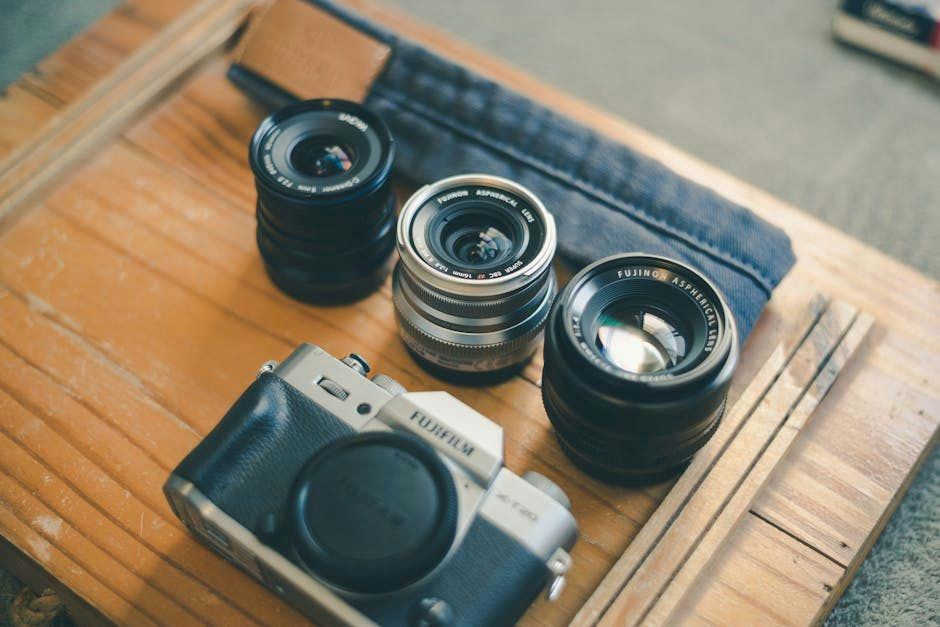
Iconic photography isn't about the latest gear — it thrives on your eye for detail and the stories each shot tells; practice makes perfect.
Learning photography as a beginner is about understanding how to capture stories and emotions through images using various tools. All you need is a camera to record light onto a sensor or film. This can be done with the click of a smartphone or through complex setups with a DSLR and various lenses.
Expensive gear doesn't make the photographer. Understanding light, composition, and timing does. Equipment helps, but it's your creativity that truly matters.
Your environment varies dramatically. You'll find yourself capturing candid street shots or waiting for perfect light in peaceful landscapes. Patience, practice, and a bit of serendipity are part of the process.
Photography mixes art and technique. Developing your vision and style is key. Whether you're into portraits or abstract art, it's about sharing your unique perspective.
You engage both body and mind. Adjusting settings, framing shots, and editing photos are all part of enhancing your work's impact. Artistry and a willingness to adapt drive your progress.
Photography involves capturing images using a camera, ranging from simple snapshots to complex artistic compositions. You can experiment with different subjects, lighting, and techniques to create unique photos.
Photography engages your creativity and attention to detail, offering a sense of accomplishment with each captured moment. It encourages exploration and can be deeply satisfying as you improve your skills.
You assume photography demands the latest, priciest gear. You think you need to drain your bank account before taking a shot.But that's not the real barrier.
It's about the vision you bring to each image. Iconic photos often came from basic cameras. The magic is in understanding composition, light, and timing, not the cost of your gear.
Photographers learn by doing. You might think every shot has to be perfect.But real progress comes from examining each photo, finding what works, and getting better over time.
Photography sharpens how you see the world. Colors pop. Patterns emerge. Details previously missed will start inspiring fresh ideas.
Photography tells stories. A passing moment or a crafted scene, the skill of conveying emotions through images is what elevates your work. Next, let's explore the stories you want to tell.
Your first week with a camera feels like a whirlwind. A bit of excitement, a lot of overwhelm. You'll fiddle with buttons, take a hundred random shots, and probably forget half of what you learn. This scatterbrained stage is exactly where you should be — let curiosity lead.
Into week two, something clicks — and it's not just the shutter. Composition isn't a mystery, lighting starts to make sense. You discover editing apps like Lightroom and Snapseed. Enhancing your photos becomes as engaging as taking them, a new layer of creative fun.
Week three tests your patience. The thrill can dip when images come out blurry or improperly exposed. Doubt seeps in, but this is the moment to seek feedback and tweak settings. Fixing mistakes becomes the real teacher, more than any manual or tutorial.
That click of the shutter? Still deeply satisfying. Capturing a single moment feels significant. It's addictive in the best way, driving your curiosity further.
Persistence brings rewards by week four. Patterns begin emerging, guiding your choices on what to shoot next. You start recognizing the subjects and styles that draw you in. Feeling proud of a few standout photos is the payoff that keeps you going.
When to start: Any afternoon
Duration: 1 hour
Cost to try: $0
Success criteria: Plan a second session when you find a few photos you’re proud of and want to explore more techniques.
It's common to think that a high-end camera is necessary to start strong. Many beginners splurge on equipment but neglect the basics. A mid-range camera often suffices for mastering essential skills like composition and lighting.
Poor lighting leads to flat photos. Many new photographers overlook this and end up with uninspiring images. Shoot during the 'golden hours' after sunrise and before sunset for softer, warmer light.
Letting the camera control everything seems easier, but it limits creativity. Beginners often stick to auto mode to avoid complexity. Experiment with manual settings like aperture and shutter speed to gain better exposure control.
Wrong settings can ruin your photos, yet many beginners neglect a pre-shoot check. Incorrect ISO, white balance, or focus can cause issues. Make reviewing your settings a habit to avoid surprises.
Editing feels like cheating to some newcomers. This misconception leads them to skip an essential part of digital photography. Learn basic editing techniques to enhance your photos without losing authenticity.
Join local photography groups through Meetup.com for photo walks and workshops. It's an easy way to meet others who share your passion.
For instant feedback, Reddit's r/photography is unbeatable. Post a photo and you'll get advice from a global community.
Facebook and Instagram also host active photography groups where you can exchange tips and critiques.
The Photographic Society of America connects you with competitions and a network of enthusiasts. Becoming a member offers rich learning and networking opportunities.
Sign up for courses on Coursera and Udemy to gain structured insights. Interact with instructors and students as you learn new skills.
Street photography thrives on the dynamic and spontaneous. Snapping candid scenes in public spaces,it tells stories of daily life. Perfect for those who relish observing people and uncovering beauty in the ordinary.
Landscape photography offers peace. It captures nature's beauty from mountains to beaches.Ideal for those patient enough to wait for perfect light. A great choice for nature lovers.
Portrait photography captures the essence of individuals or groups. In studios or on location,it involves directing subjects and displaying personalities. A fit for those who love interacting with people.
Macro photography explores tiny worlds. It's about revealing details in small subjects like insects or flowers.Suited for those who enjoy thorough detail and patience. A miniature adventure.
Wildlife photography is for the bold. Capturing animals in natural habitats,it requires technical skills and knowledge of animal behavior. Best suited for passionate travelers and wildlife enthusiasts.
Some of the same instincts show up in Linocut Printing — worth a look if this clicked.
If the texture of this appeals to you, Screenwriting is built on similar bones.
Some of the same instincts show up in Cosplay Props — worth a look if this clicked.
Mastering exposure is the key skill in photography. It's about understanding how aperture, shutter speed, and ISO interact. Together, they control light on the sensor and, therefore, photo brightness.
Without mastering exposure, you'll struggle to capture the quality you want. Photos end up too dark, too bright, or missing detail. Getting exposure right lets you capture images precisely as you imagine them.
Start by experimenting with each setting individually. Take several shots, tweaking aperture, shutter speed, or ISO each time. See how each change impacts the image.
Another approach is to photograph the same scene with varying exposures. Compare to learn how different settings affect the final photo.
Practice in diverse lighting conditions. You'll learn to adjust quickly and achieve the right exposure whether it's bright sunlight or low light. This sets you up for exploring advanced techniques next.
Try 10 photo sessions over 30 days. This gives you room to explore subjects and techniques without feeling rushed.
If you're buzzing with ideas for your next shoot, photography has hooked you. The next step is to start a project that challenges you and dive into online forums to connect with other enthusiasts.
Feeling indifferent after 10 sessions signals something else. Try one experimental session with a quirky technique or unusual subject. This might uncover a niche that truly interests you.
If frustration tops your experience, the fit isn't great. Opt for a hobby that offers faster gratification or less technical demand. Photography doesn't suit everyone.
The sign you can't ignore: you're mentally framing shots while walking around, daydreaming about capturing unique perspectives.
Photography is a deeper commitment than most boredom cures — for lighter options, check things to do when bored.
You can start with a smartphone or a basic digital camera, which costs anywhere from $100 to $500. As you advance, investing in lenses and accessories can increase costs significantly.
Begin by using a camera you already have, like a smartphone, and practice capturing photos in different settings. Experiment with lighting and angles, and consider taking beginner courses online.
Starting with just a couple of hours a week can help you learn the basics. More time will allow you to explore different techniques and improve your skills faster.
Photography is accessible for beginners but has a high skill ceiling. The basics can be learned quickly, but mastering advanced techniques requires more dedication.
Developing an eye for photography takes practice. Studying composition techniques and analyzing work from other photographers can help you improve.
Beginners often worry about equipment costs and technical skills. Starting small and gradually upgrading gear can mitigate these concerns.