BoredomBusted — Find Your Next Favorite Thing To Do
Discover hobbies, activities, places, and ideas that spark joy. Whether you're looking for something creative, active, social, or relaxing, BoredomBusted helps you find your next favorite thing to do.
Browse our hobby guides, things-to-do collections, and place ideas to never be bored again.
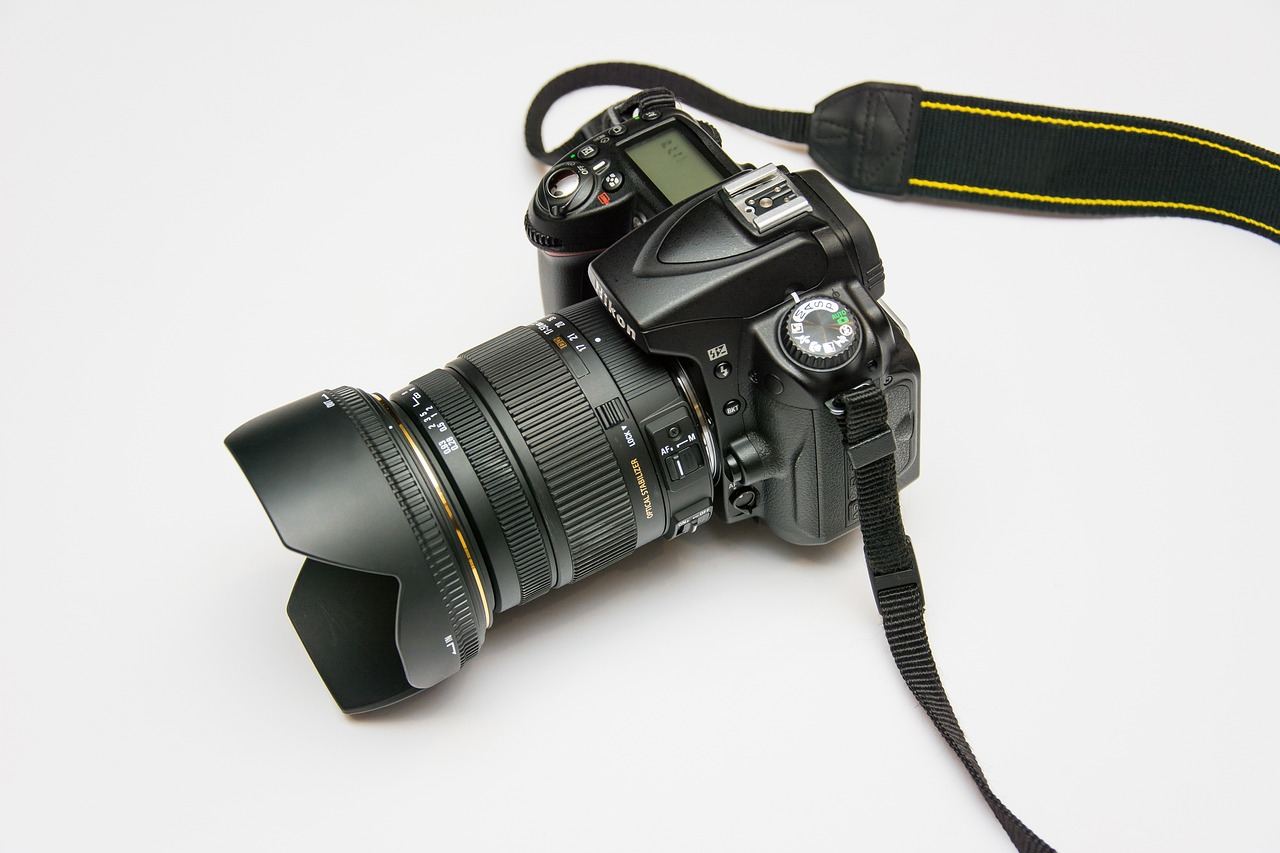
Forget fancy gear—successful documentary filmmaking hinges on building relationships and asking the right questions, not just finding stories.
Getting started with documentary filmmaking as a beginner involves capturing authentic stories through real people, places, and events to create compelling narratives on screen.
You research a subject, shoot footage over days or weeks, then shape it into a narrative through editing.
Unlike vlogging or travel video, the story drives every shot – not the other way around.
In documentary filmmaking, you research and develop stories by gathering facts and narratives, plan your shots by outlining structure and required footage, film various angles and interviews, script scenes from the footage, and edit clips into a coherent narrative, focusing on authenticity and meaningful storytelling.
This hobby engages your curiosity and creative drive, allowing you to enter a flow state as you immerse yourself in the storytelling process, while also providing a sense of accomplishment through the completion of a compelling narrative.
You think documentary filmmaking needs a cinema camera and a Netflix pitch.
This assumption is holding you back from launching into something you'd excel at.
The real power of documentary filmmaking isn't in gear or connections.
It's about relationships. Docs come to life when you build rapport with a subject, letting their story come naturally.
Successful docs aren't gear-dependent; they're curiosity-driven.
A solo filmmaker can make an engaging documentary with just one camera and natural light.
Zackary Canepari proved this with T-Rex. He spent years photographing Detroit, which built the trust needed to tell his story.
It's not about buying equipment. Find a subject you're passionate about, and that's where the magic starts. This passion is what makes documentaries truly captivating.
Watching a documentary feels like witnessing something inevitable – like the story always knew where it was going. Your first shoot feels like chaos instead, without a clear direction or obvious narrative.
Subjects pause mid-sentence, the best question falls flat, and the camera captures grey, shaky scenes. Your first footage won't impress, but that's normal. This raw material is what every documentary looks like before it transforms in the editing room.
Expect your subject to act for the camera initially. The genuine story emerges when they forget it's there. That moment, not the first rushed response, is where your film actually begins.
Don't wrap up early. Stay longer than feels polite.
When to start: Morning
Duration: 1.5 hours
Cost to try: $10
Success criteria: If you record a 3-minute story with a clear beginning, middle, and end, and capture usable ambient sound and steady footage, do session 2.
Beginners often view the camera as a backup plan. They assume capturing tons of footage will naturally lead to a compelling story.
Draft a one-paragraph treatment before filming anything. This plan may change, but starting with a thesis ensures you're filming with a purpose.
Many jump straight into recording, capturing only the surface-level answers that subjects prepare.
Start with a 15-minute off-camera chat. This helps subjects relax and reveal deeper, more authentic stories.
Audio often seems like it can be fixed later, but bad room tone can ruin your edit.
Always record two minutes of room tone on location. This simple step makes a huge difference in editing.
New editors often cut to the speaker, missing the emotional impact of reactions.
Focus on the listener's expression rather than the speaker's words. Reactions often convey the story's emotion more effectively.
Access can be tempting. You might let a fascinating interviewee steer the whole film, even if they don't fit your story.
After each shoot, write a sentence connecting the footage to your thesis. This ensures your film stays true to its initial idea rather than being led astray.
Documentary filmmaking can happen anywhere – parks, community centers, local shops, or right on your street.
Skip waiting for a film studio or arts space. Most of your early shoots won't rely on formal venues.
Introduce yourself by saying, "I'm new – I've got gear but I'm still figuring out what stories I want to tell." That's how you get a mentor, not a lecture.
Short-form documentaries teach you all the basics. A 5-minute doc won't eat years of your life. It's contained and feedback is quick.
Feature-length documentaries require commitment. Expect months of shooting, a long edit, and a focus on distribution. High skill ceiling, but not without risks.
Observational style lets life speak. No narrators, just raw footage. Demands patience; you'll discard hours for seconds of brilliance.
Participatory documentaries put you in front of the camera. You eliminate access issues, making it practical for starters.
Archival documentaries rely on found footage. Editing skills shine more than camera work, ideal if that's your strength.
Another variant that pulls from the same roots is Architectural Photography.
Airbrush Painting lives in the same world — different mechanics, similar appeal.
A close neighbor worth considering: Fabric Painting.
Documentary filmmaking demands one critical skill: finding your film's spine in the edit, not during the shoot.
Most beginners focus on gear – better camera, cleaner audio, smoother gimbal. Yet, their films fall flat.
The footage isn't the problem. The story architecture is.
Identify the single emotional question your documentary answers. Cut everything that doesn't serve that question.
Develop this skill, and every interview, B-roll, and music choice has a job. You can feel when something earns its place.
Without it, you make technically competent films that lack emotional impact. The difference is whether your audience feels the ending was earned or just... arrived.
Commit to six sessions in 30 days, around one every five days.
Documentary work isn't like hitting the gym. It involves research, shooting, and reviewing. You need space to reflect between sessions to see if your pull back is genuine or just routine.
You can't stop thinking about your next subject. This isn't just about gear anymore, it's about storytelling. It's the sign to move forward. Seek out a local story and treat it like a real project.
You've shown up, filmed, but felt no spark. This may mean you haven't found a subject that matters to you. Try extending by two sessions, targeting subjects you'd watch a documentary on, not just what's easy to film.
If you dreaded every session and found reviewing footage a chore, take it as honest data. Editing is a major part of the work. If it felt like punishment, this hobby might not be for you.
If you find yourself pausing documentaries to think about how interviews were set up, you're on the right track. Obsession with the storytelling process is a good fit.
Documentary Filmmaking is a deeper commitment than most boredom cures — for lighter options, check things to do when bored.
You can start with basic gear: a smartphone or entry-level camera, a microphone, and free or affordable editing software like DaVinci Resolve or CapCut. As you progress, you may invest in a better camera, tripod, and lighting, but quality storytelling matters more than expensive equipment at the beginning.
A short documentary (5–15 minutes) typically takes 3–6 months from concept to final edit, while feature-length documentaries (60+ minutes) can take 1–3 years or longer. The timeline depends on your subject, access to interviews, and how much time you dedicate to production and post-production.
No—documentary filmmaking is more about storytelling skills and curiosity than formal journalism training. You'll learn research, interviewing, and narrative structure through practice, though understanding journalistic ethics and fact-checking is essential for credibility.
Documentaries focus on revealing authentic truths and real-life stories, typically featuring interviews, archival footage, and narration to build a narrative arc. Unlike vlogs or social media videos, they emphasize depth, investigation, and artistic cinematography over entertainment alone.
You can start with virtually no budget using a smartphone and free software, but most independent documentaries range from $5,000–$50,000+ depending on travel, equipment, and production team size. Festival submissions and licensing add additional costs, but many successful documentaries began as low-budget passion projects.
Yes, but it typically requires building a portfolio and finding funding through grants, commissions, streaming platforms, or festival prizes. Most documentarians combine filmmaking with other work initially, then transition to full-time once they have completed projects and industry connections.