BoredomBusted — Find Your Next Favorite Thing To Do
Discover hobbies, activities, places, and ideas that spark joy. Whether you're looking for something creative, active, social, or relaxing, BoredomBusted helps you find your next favorite thing to do.
Browse our hobby guides, things-to-do collections, and place ideas to never be bored again.
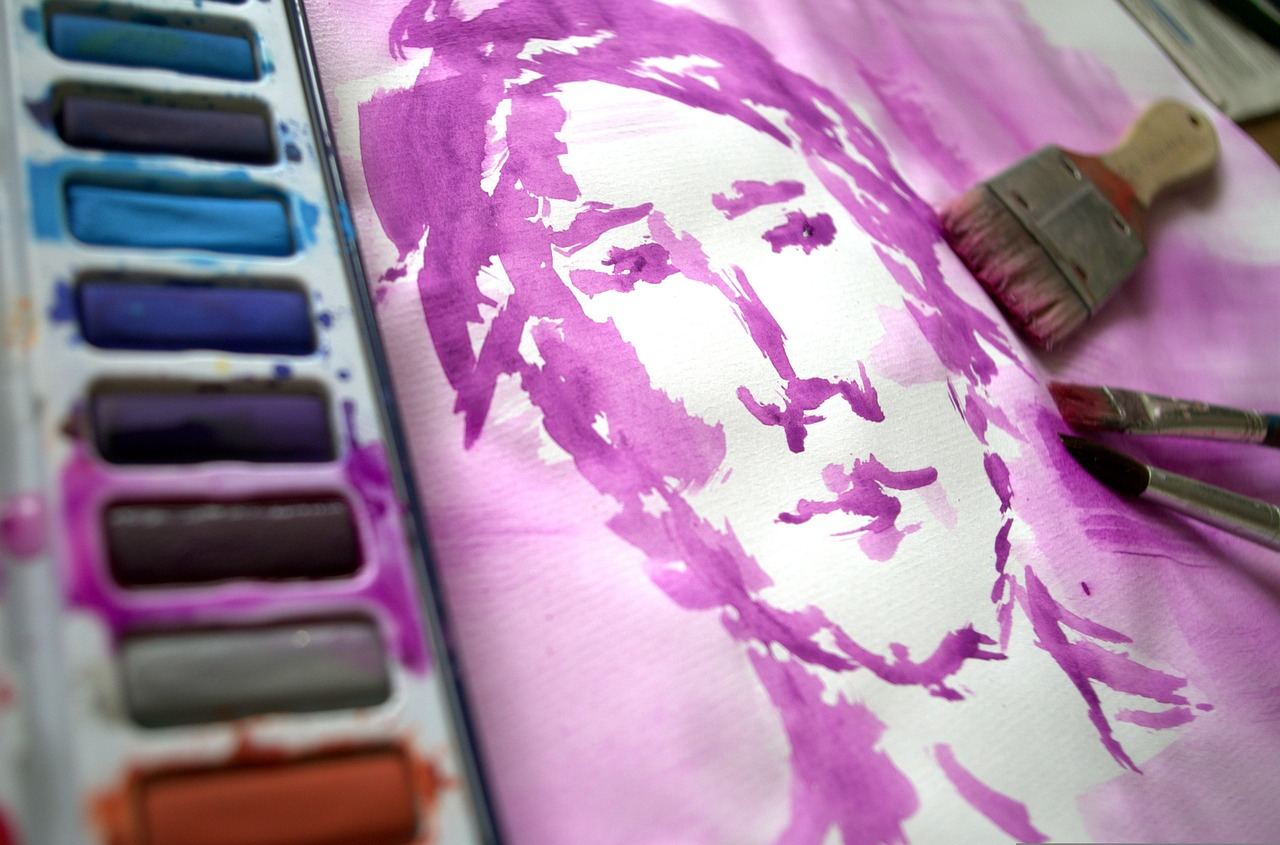
Face painting isn't just for kids' parties — it's a complex art form that transforms real-time collaboration into stunning wearable designs.
Getting started with face painting as a beginner involves transforming skin into canvases, using water-activated or cosmetic paints to create vivid designs, characters, or effects with brushes and sponges.
Unlike body painting or makeup art, this craft emphasizes speed and temporary artistry.
In face painting, you apply professional water-based paints to skin using techniques like sponging and stenciling, starting with sketches for reference and layering colors to create detailed designs while considering facial contours for realism.
Face painting induces a flow state through its sequential layering process, offering immediate visual feedback and fostering mastery as you create rapid, impressive transformations that satisfy creative expression and provide a sense of accomplishment.
You think face painting is something you do at a kids' birthday party – once, with a sponge kit from the dollar store, while someone's toddler screams at you.
Face painting is a wearable, temporary art form. The face's planes, movement, and lighting change how color reads, which means you're solving a design problem every time.
A festival painter in Austin once did a full geometric wolf across a stranger's face in eight minutes. Clean lines, shading, symmetry. The stranger had never sat still for anything in their life – and held completely steady the entire time, because the painter made it feel like a collaboration, not a service.
That kind of presence – the ability to make something beautiful fast, on a person, live – is a skill set.
Your first real session can be a pleasant surprise; it's easier to dive into than you'd think.
Starting out in face painting feels clumsy. Your lines wobble like a toddler walking. Your shapes look more like abstract art than what they're supposed to be. You might even apologize to a six-year-old as they stare at their reflection.
Your wrist won't listen yet. It's normal for the paint to be too watery and the edges to lack definition. Expect this to happen early on.
Control emerges in stages. By week two, shapes begin to cooperate, but talking and painting at once makes things fall apart. By week four, applying the right pressure feels like second nature, but your designs still hint you're not pro yet.
Skip the sponge's center. Load your brush on the side for less mess and more control.
Face painting develops with repetition, not tutorials. Embrace the mistakes; they're your true teachers. The next section is about the common mistakes that keep paint splatters and wobbles around longer than necessary.
When to start: Morning
Duration: 1.5 hours
Cost to try: $20
Success criteria: If you paint a simple butterfly or flower on a volunteer with clean edges and visible detail, do session 2.
Those paints seem cheaper and easier to find. They're not made for skin and can cause reactions.
Switch to a water-activated face paint like Snazaroo or Diamond FX.
Putting too much water on your brush leads to sloppy lines. Beginners overdo it trying to get paint flowing.
Dab your brush on a paper towel after loading. The paint should feel like sour cream, not soup.
Full-face designs like tigers or butterflies are tough. Beginners get overwhelmed and lose confidence.
Focus on one-stroke petal designs for practice. They teach you brush pressure, blending, and speed.
A single sponge pass gives a chalky, uneven base. It makes your designs look amateurish.
Use a damp sponge in small, circular strokes. Add a second color at the edges for depth.
Paint near the mouth and eyes cracks and flakes quickly without setting spray. It ruins even solid designs.
Use a cosmetic setting spray like Fix+. It adds hours of wear with just a quick pass.
That one sentence gets you two things most beginners never get fast enough – real skin reps and honest feedback from people who have no reason to be polite.
Face painting thrives at birthday parties, school fairs, festivals, and community venues. Art studios offer space to refine skills. For casual practice, use friends and family at home.
Start with Facebook Groups by searching "face painting [your city]" or "face painters [your state/region]." These are active hubs for practice meetups.
The Face and Body Art International Convention (FABAIC) site and Painting With Faces boards list regional chapters. Mentorship and connections are found here.
Search Meetup.com for "face painting practice jam." These sessions target enthusiasts who want to paint on real people without stress.
The International Face Painting Association (IFPA) member directory lets you locate credentialed painters nearby. They often conduct workshops or informal meetups.
This is the entry point — small, contained designs on the cheek or forehead instead of full-face coverage. You're working in a 2-inch canvas. Fast practice reps and minimal material waste make it the best choice for beginners or anyone doing event work where speed is crucial.
Transform your subject into a tiger, superhero, or skull with full-face designs. You'll need more paint and blending skill, and each design takes more time. Ideal for hobbyists practicing on family, not for beginners tackling birthday party booths.
Body painting extends beyond the face to arms, shoulders, and torsos. It uses the same water-activated paints but covers a larger area. Great for artists wanting a bigger challenge, as it requires understanding of anatomy and composition while allowing some leeway for technique.
UV or neon face painting uses paints that glow under blacklight. The effect shines in controlled lighting environments. Standard techniques apply, but expect to invest $20–$50 on a UV paint set. Perfect for Halloween, festivals, or nightlife scenes.
Split cake painting lets one sponge stroke pull multiple colors from a pre-loaded cake. While the technique looks advanced, it's surprisingly beginner-friendly once you master pressure and angle. It's perfect if you're doing any volume work like parties, events, or markets.
If this resonates, Glass Painting explores a similar direction.
For something adjacent, see Silk Painting.
If the texture of this appeals to you, Airbrush Painting is built on similar bones.
Control over your brush has more power than perfect paint or reference photos. Most beginners don't realize that. The real secret is learning to load your brush consistently.
This helps you vary pressure mid-stroke, thinning or thickening a line without pausing. It means a petal can taper to a clean point instead of ending up like a thumbprint.
Master brush pressure and your designs become intentional rather than accidental. This change makes any design look professional.
Without this control, even fifty memorized designs won't save you from shaky lines. Each inconsistency follows from pattern to pattern.
Commit to 6 sessions over 30 days at a pace of one or two per week. This timeframe pushes past initial awkwardness to reveal if the work truly captivates you.
You found yourself consistently sitting down to practice without persuasion. That matters. If you've started sketching ideas between sessions, it's more than a passing interest. Move forward by practicing on real skin — recruit a willing friend and schedule a session, as this changes everything.
You completed all six sessions but felt unchanged. Determine if you were bored or just needed more time. If you're still watching face paint tutorials by midnight, extend for two more weeks before deciding to quit. No interest in tutorials is a clear signal to stop.
You dreaded picking up the brush every time. Use this as real feedback. Six sessions should differentiate between "this is challenging" and "this isn't for me." If dread remains after starting, it's time to shift focus without self-blame.
If you find yourself stopping on face painting details in festival photos, that's significant. You're checking out pigment types at odd hours, or mentally designing on someone you know. This quiet obsession signals true interest before any commitment.
For a wider menu of options, see our list of hobbies.
You'll need face paint (water-based is best for beginners), brushes in various sizes, sponges, and a setting spray to help designs last longer. A makeup primer, makeup remover, and mirror are also essential. Most starter kits cost $15–$40 and include everything you need to begin practicing.
Simple designs like flowers, butterflies, or animals can be learned in a few hours of practice. More intricate designs and full-face transformations typically require 2–4 weeks of regular practice to build confidence and speed. Most people can paint a decent design on someone else within the first session with guidance.
Face painting has a gentle learning curve—basic designs are quite forgiving, and mistakes can be easily wiped away and redone. Your first attempts may be imperfect, but with practice and reference images, you'll improve quickly. The key is starting with simple designs and gradually building skills.
Face paint is thicker, more pigmented, and designed to stay on for extended periods under stage lights or movement. It's easier to apply bold colors and patterns, while regular makeup is formulated for everyday wear and blends differently. Face paint also covers larger areas more effectively and is safer for sensitive skin when water-based.
Water-based face paint usually lasts 4–8 hours depending on activity level and sweating. For events where paint needs to last all day, you can use setting spray and powder to extend wear time. Always remove face paint gently with makeup remover or soap and water at the end of the day.
Popular beginner-friendly themes include nature designs (flowers, leaves, animals), geometric patterns, holiday themes, and character faces. Masquerade masks and fantasy looks are also great starter projects. Many online tutorials focus on these styles since they allow for creativity while being forgiving for new painters.