BoredomBusted — Find Your Next Favorite Thing To Do
Discover hobbies, activities, places, and ideas that spark joy. Whether you're looking for something creative, active, social, or relaxing, BoredomBusted helps you find your next favorite thing to do.
Browse our hobby guides, things-to-do collections, and place ideas to never be bored again.
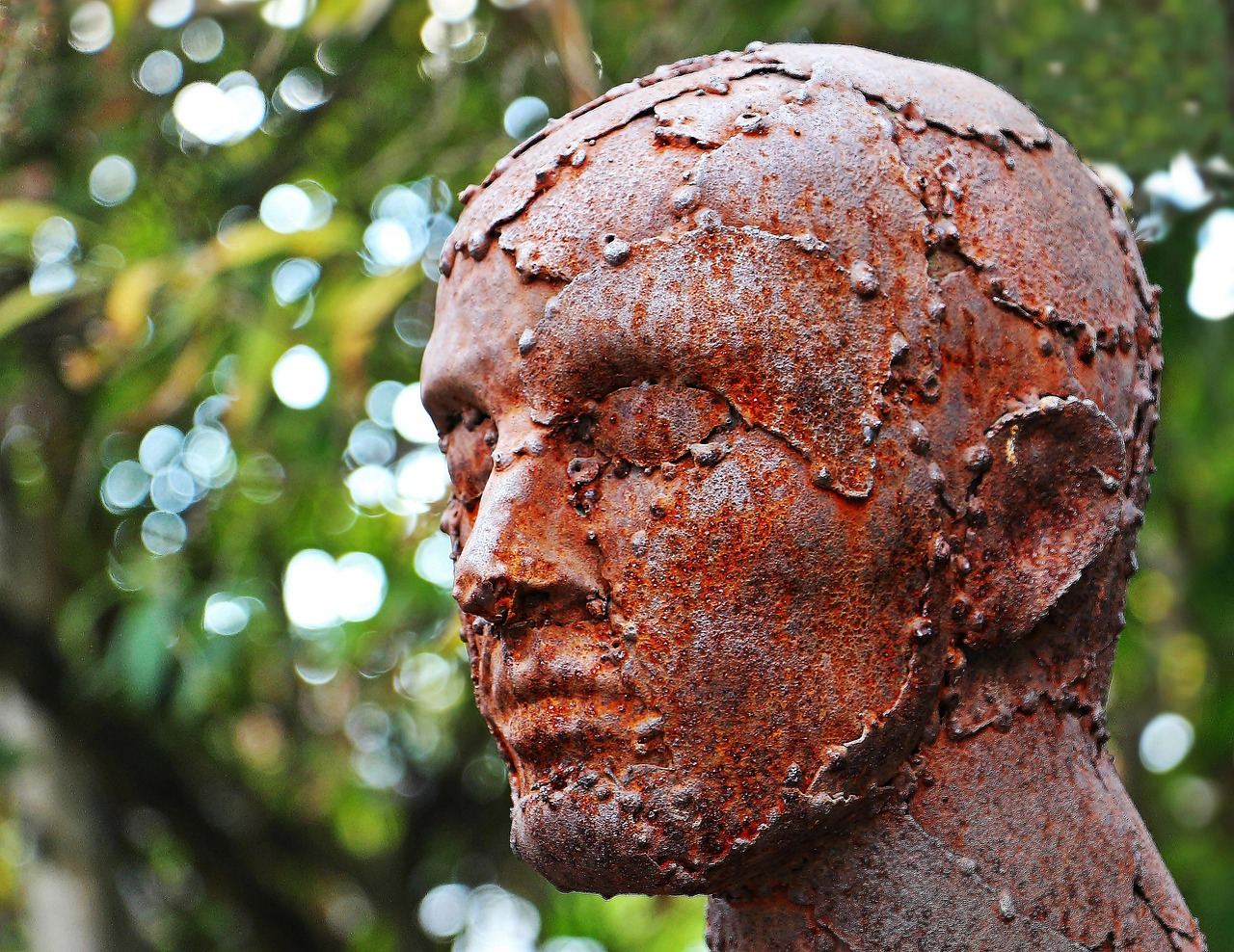
Found object art is dismissed as trash art, but it's actually a rapid training ground for developing a keen artistic eye and compositional skills.
Creating found object art as a beginner involves transforming everyday items you might overlook—like bottle caps, broken tools, driftwood, and scrap metal—into unique pieces of artwork.
You arrange, combine, or alter them until they carry meaning.
The object itself becomes the medium, which separates this from sculpture or collage where materials are bought and shaped from scratch.
In Found Object Art, hobbyists collect discarded items like book covers, buttons, or scraps of yarn and manipulate them into new artistic compositions using techniques such as gluing, layering, or bending materials, often starting with intuitive placements before refining their designs into sculptures or 2D art.
This hobby fosters a flow state through unstructured play with familiar objects, providing immediate tactile feedback and a sense of accomplishment as disparate items coalesce into meaningful art, which helps combat boredom by promoting creativity and personal expression.
You think this is a trash art project. Stuff you find on the ground, glued together, hung in a gallery where people pretend it means something.
The truth is that found object art trains a real artistic eye faster than traditional methods, no prior skill needed.
Robert Rauschenberg stuffed a taxidermied angora goat through a tire, mounted it on a painted canvas, and it ended up in MoMA. The point wasn't the goat. It was that he saw a conversation between objects that nobody else had bothered to notice.
You're not just gluing objects together – you're developing a visual literacy that typically takes painters and designers years to achieve.
You're not just making something – you're training yourself to notice things differently.
That changes what happens the first time you actually sit down and try it.
Watching someone turn a rusted hinge and a cracked vinyl record into gallery-worthy art seems instinctive. It's not.
During your first session, you'll mostly be holding objects up, squinting at them, and setting them back down.
Expect three failed arrangements before creating one piece you like. Getting there involves hot glue strings everywhere and surprise at which piece ends up working.
Your first week is a treasure hunt. The urge to save every 'potential' material will overflow your workspace.
In week two, your first finished piece might feel forced. Like you decided its meaning before it found its own form.
Week three brings a revelation about negative space. Gaps between objects become as significant as the objects themselves.
By week four, you'll stop mimicking other art and discover your own style. That's when you create your first genuinely compelling piece.
You'll hit a point where nothing seems to work. The vision in your head and the reality in front of you won't match. Holding a bottle cap, you'll question your choices.
This is when many people quit, just before everything starts to click.
What changes isn't your skill, but your ability to respond to what's happening, rather than forcing your original vision.
Adhesive choice will play a big role in your early success.
Hot glue is quick but too brittle for heavy pieces. A solid appearance can crumble in days.
Use epoxy or two-part adhesives for heavy objects. Knowing this shields you from focusing on the wrong problems.
When to start: Early morning
Duration: 1 hour
Cost to try: $0
Success criteria: If you create a stable sculpture from 2-3 discarded items and photograph it standing on its own, do session 2.
The hunt feels like progress, yet a floor covered with objects isn't art — it's just clutter.
Finish one piece using only what you have before your next collection mission.
Beginners impose ideas on materials, which can lead to forced and unnatural results.
Explore what an object already suggests instead of trying to force it into a preconceived plan.
Hot glue seems quick and easy, but it fails on heavy or outdoor projects.
New collectors scrub off metal's natural texture, mistaking it for damage.
Seal with matte Mod Podge or clear fixative to preserve that unique aged look.
Stacking without thought is exciting, but precarious and destined to collapse.
Start with a solid base and center of gravity, then build outward and up.
A dedicated studio isn't necessary for found object art. Your kitchen table, garage, or backyard works fine.
Art studios, makerspaces, and workshops are key for community and feedback.
Find local groups by searching Facebook for 'found object art [your city]' or 'assemblage art collective [your city]'. Using 'assemblage' gets you further in the right circles.
No national body exists for found object art in the US. The Assemblage Art Society is the closest, offering exhibition listings, member artists, and regional groups.
Introduce yourself as a newcomer working with scrap materials. This usually leads to scrap donations, tips, and invites to local shows.
Assemblage involves combining found objects into a single piece, whether mounted or freestanding. Ideal for beginners seeking structure without a specific theme or material.
Junk Journaling turns everyday paper bits into layered journal pages. Perfect for those with a journaling or scrapbooking habit wanting a more tactile experience.
Welded Metal Sculpture involves turning scrap metal into large-scale art. Great for those with metalworking skills or patience for a steep learning curve. Expect to spend $200–$500 on a welder plus safety gear.
Street Art or Urban Installation uses found objects in public spaces for ephemeral projects. Best for those who see the setting as part of the art itself.
Nature Assemblage uses materials like stones and feathers, left in their natural state. This is perfect for those who want creativity without collecting or displaying overhead.
Tape Art lives in the same world — different mechanics, similar appeal.
If the texture of this appeals to you, Wire Sculpture is built on similar bones.
If this resonates, Clay Sculpture explores a similar direction.
Mastering material translation changes everything for a creative. It's the ability to look at an object and immediately understand its emotional role. Not just its function in the physical world. A rusty gear isn't just metal; it's weight, age, and industrial grief waiting to be expressed.
When mastered, every piece delivers a feeling, not a description. Without this skill, arranging objects is decorative clutter. The artist who gets it sees a whole conversation in a junkyard. The artist who doesn't, gathers a bag of pieces that don't fit together.
Try eight sessions in 30 days, about twice a week. This moves you past the novelty of the first scavenger hunt to face the challenge of creating order from chaos. By then, that "I'll figure it out later" pile should either inspire you or remain just a pile.
Finding yourself thinking about potential art pieces while collecting tomorrow's breakfast? That's unscripted creativity at work. Start organizing your finds and set a small corner of your home for this new obsession.
If the sessions don't ignite a spark, that's valuable insight. Before deciding it's not for you, try one session without any preconceived notions and see if changing the approach helps.
Not everyone enjoys the process of turning chaos into art. If you dread each session, that's an honest verdict. Enjoy art in a less hands-on way, perhaps through appreciating or curating rather than creating.
The undeniable sign you're meant for this: when every walk turns into a scavenger hunt, and you're sketching mental plans for objects you haven't even found yet.
Looking for something different? The hobbies list is the easiest way to scan what else is on the table.
For quicker fixes, see our roundup of things to do when you're bored.
You can use virtually anything discarded or overlooked: broken ceramics, scrap metal, driftwood, plastic bottles, old hardware, fabric scraps, or natural items like stones and branches. The best materials are ones you collect from thrift stores, nature, construction sites, or your own home. There's no restriction—the uniqueness of your found objects directly contributes to the originality of your artwork.
No special skills are required to begin found object art. This hobby welcomes complete beginners because the focus is on creativity and vision, not technical ability. You'll learn assembly, adhesive techniques, and spatial thinking as you progress, but you can create compelling pieces from day one by simply combining objects in interesting ways.
Found object art is one of the most affordable hobbies to start because your primary materials are free or extremely cheap—collected from nature, recycling bins, or thrift stores. Your only real investment is basic tools and adhesives (glue, epoxy, screws) which cost $20–$50 total. Many artists spend nothing initially and only invest in supplies once they're ready to scale up.
Basic tools include a hot glue gun or epoxy adhesive, wire or screws for securing pieces, and optionally a saw or drill for modification. For most beginners, strong adhesive and hand tools are sufficient—you don't need a full workshop. As you advance, you might add more specialized equipment, but simple assembly is entirely possible with minimal tools.
A simple piece can take 1–3 hours from collection to completion, while more complex sculptures may take several days or weeks. The timeline depends on how many objects you're combining, how much modification is needed, and how detailed your design is. Many artists enjoy the meditative collection phase as much as the final assembly.
Found object art works well in home galleries, local art shows, craft fairs, and online marketplaces like Etsy or Instagram. You can also exhibit in community spaces, cafes, or alternative galleries that celebrate unconventional art. Many artists start by displaying pieces at home or gifting them before pursuing formal sales opportunities.