BoredomBusted — Find Your Next Favorite Thing To Do
Discover hobbies, activities, places, and ideas that spark joy. Whether you're looking for something creative, active, social, or relaxing, BoredomBusted helps you find your next favorite thing to do.
Browse our hobby guides, things-to-do collections, and place ideas to never be bored again.
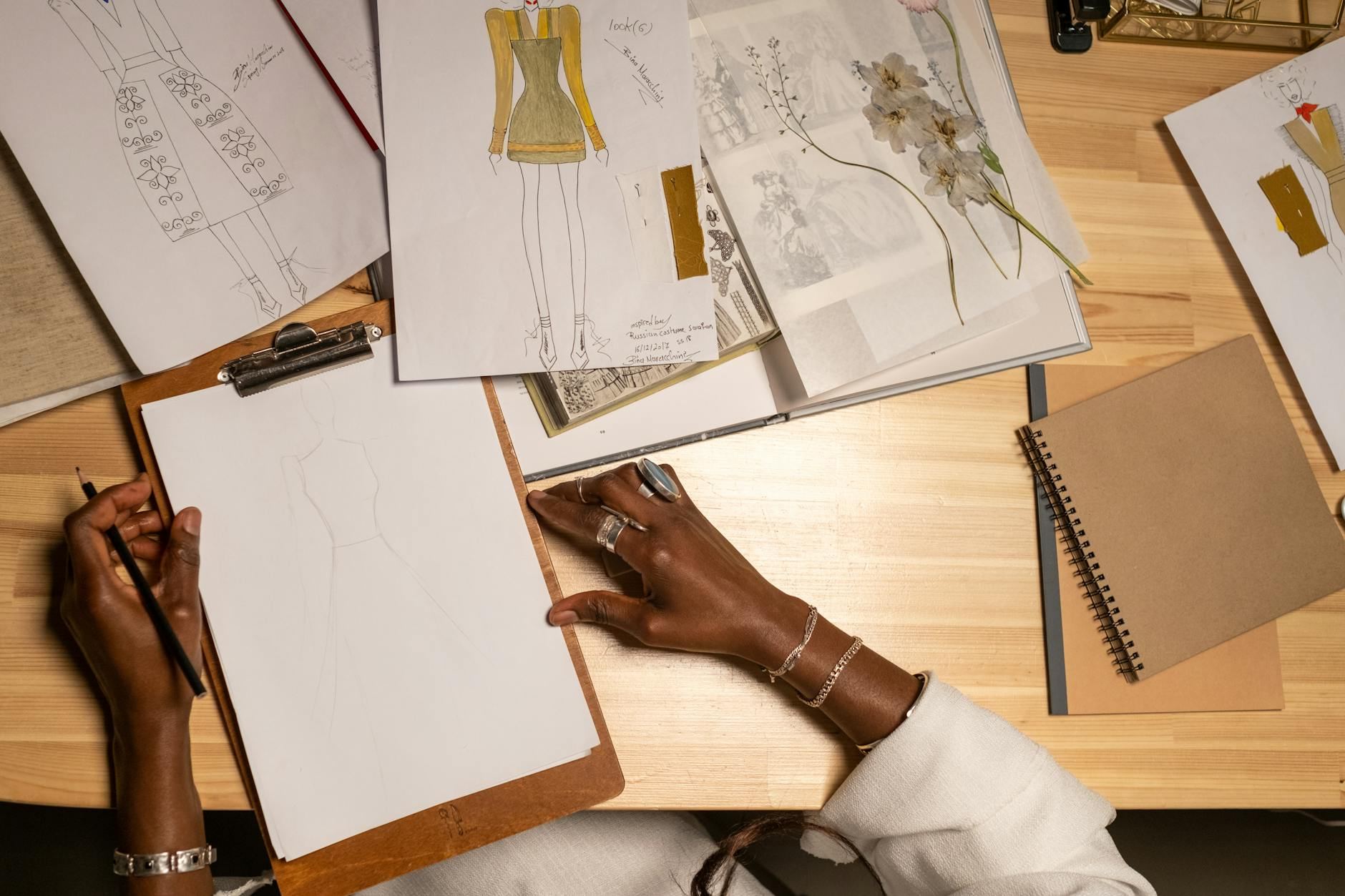
Furniture design is less about creating beautiful pieces and more about mastering the physics of stress and movement—misjudging this leads to failure.
Learning furniture design as a beginner can transform your ideas into functional pieces like chairs, tables, and shelves.
Unlike woodworking, you're creating from scratch. This isn't about rearranging existing furniture like interior design. It's about making what wasn't there before.
In furniture design, practitioners engage in planning and conceptualizing their projects, measuring and cutting wood, assembling pieces, and personalizing their creations through various finishing techniques.
This hobby stimulates cognitive function through problem-solving and creative expression, providing a sense of accomplishment as individuals transform ideas into tangible, functional furniture.
You think designing furniture means sketching stylish chairs and picking wood finishes.
Design is problem-solving before aesthetics. When you design, every choice—joint type, grain direction, leg placement—affects the structure. You're not just drawing; you're building an argument in wood, metal, or fabric.
It's not about taste. It's about how an object handles forces. How a chair holds up when someone plops down or leans sideways. A chair isn't just a stationary piece; it's part of the motion.
Picture a dining chair, flawless in a sketch but wobbling within a year. That wobble didn't come from poor style. It came from ignoring stress on the back legs. That's not cosmetic, it's physics masquerading as a design flaw.
Your tools and materials aren't just about personal taste. They're the vocabulary for solving structural issues. Ready to dive into that?
Visualizing a smooth dovetail joint or drafting a precise chair in CAD seems simple when you're watching an expert.
But when it's just you and a blank page, the chair in your mind stubbornly refuses to take shape.
Don't confuse this with a talent gap. It's the learning moment that goes unrecorded.
Your ideas might seem clear in your head. Proportions feel right, and woodwork seems obvious until you start. Then suddenly the legs are too short, you question the tabletop thickness, and joints have unfamiliar names. Expect the eraser to be your best friend initially.
Prepare yourself for a lot of box drawings when you begin sketching furniture. You'll soon realize everyday dimensions aren't as intuitive as they seem. Week two might find you measuring your own chairs, which is where the real learning happens — not a digression, but a discovery.
As more weeks pass, sketches will include dimensions, yet your math and drawings won't initially align. But soon enough, one piece will finally click on paper, and you'll grasp what design means.
Reference standard dimensions early on: 30" table height, 18" seat height, 24" seat depth. Pin these where you can see them.
They won't box you in forever, but they'll help you avoid turning guesswork into self-doubt.
Frustrating.
Slow.
Nothing looks like what you pictured.
This is not a sign of failure. It's the initial step to composing a visual vocabulary from scratch. Next, we uncover the mistakes that anchor beginners in the confusing stages longer than necessary.
When to start: Early morning
Duration: 2 hours
Cost to try: $50
Success criteria: if you finished and have a detailed sketch ready, do session 2.
Wood expands and contracts across the grain seasonally – beginners treat it like it stays put forever.
Fix: Build expansion gaps into every solid-wood panel joint – roughly 1/8" per foot of width – before you cut a single piece.
A chair that looks proportional in a magazine photo can feel like sitting on a children's toy in real life.
Fix: Sit in three chairs you already love and write down the seat height, depth, and back angle before you open any design software – those numbers are your actual spec sheet.
Beginners see a beautiful walnut grain and buy it without considering workability, hardness, or cost per board foot.
Fix: Match your species to your joinery method – softer woods like poplar are forgiving for hand-cut mortises; hardwoods punish dull tools and slow you down mid-build.
It's easy to design a piece you literally cannot clamp together once the joints are cut.
Fix: Sketch your full assembly order – step by step – before milling any lumber, and check whether your clamps can actually reach every joint in that sequence.
Beginners finish a beautiful sketch and then discover the design requires a slab width that doesn't exist in standard lumber dimensions.
Fix: Convert every component in your drawing to a cut list immediately, then verify each dimension against actual stock sizes at your local supplier before committing to the design.
Furniture design thrives in any place you can think, sketch, and build. That might be a home workshop, a shared makerspace, or a community woodworking studio. Makerspaces and woodworking studios are the ideal locations for hands-on work in this hobby.
Say you're new and interested in the making, not finishing. That's your way to quickly connect with experienced members eager to guide you.
Picture yourself in the workshop, covered in sawdust. You're making every cut, every joint. Designs are limited to what you can physically accomplish in the shop. It's for those who enjoy the satisfaction of creating something tangible from scratch.
Initial costs can reach $300–600 for the essential tools.
Work entirely in software like SketchUp or Fusion 360. Generate detailed plans without handling any wood. It's an accessible start, but testing your designs in the real world is essential for growth.
Ideal for constrained spaces, or designing for others without a physical workshop.
Start with existing frames and focus on fabric, foam, and finishes. It's a focused skill set that offers visible results quickly, without the need for extensive woodworking.
Great for seeing progress fast
Breathe new life into old furniture by stripping, repairing, and repainting them. This method offers a low-cost way to dive in and learn how furniture is put together.
Perfect for those curious about the inner workings of existing pieces.
Design furniture that packs flat and assembles without complicated joinery. This approach offers unique challenges and is suited for those with an interest in commercial furniture design.
Offers real-world applications but requires advanced design skills.
If the texture of this appeals to you, Pencil Drawing is built on similar bones.
Most beginners invest weeks into joinery techniques and the perfect wood species. They assume precision will solve their problems.
But precision isn't the main issue. The real challenge is spatial proportion thinking.
Recognizing and controlling visual weight is key. It's about sensing why something feels wrong, even when the measurements are exact. Like, why does a leg thickness or shelf overhang seem out of place? It's not about taste or aesthetics. It's understanding proportion as visual logic.
Once you grasp this concept, you'll no longer just replicate dimensions from plans. You'll start seeing the reason behind those choices, making your own adaptations possible.
Without this understanding, modifications to templates often miss the mark. Either you're stuck following what's on paper, or you make furniture that just seems off, and no one can pinpoint why.
Commit to 6 sessions over 30 days. About one and a half per week gives a real taste.
If you're mapping chair designs at dinner or photographing furniture details in a store, you've likely discovered the hook of design thinking. This means furniture design might be for you. The next step is to take on a beginner build project, seeing it as more than just a drawing exercise.
If you finished the sessions and simply felt neutral, that's telling. Lack of frustration or curiosity often indicates that the outcome interests you more than the process. Consider trying interior design or furniture restoration, where the focus might align better with your interests.
If sketching and measuring felt frustrating, you should listen to that. Some people crave faster feedback. If the deliberate pace of furniture design doesn't engage you, it's no flaw—just a mismatch. Time to explore something else.
The real sign it's in your blood: you're critiquing furniture layouts without trying to. You can't stop noticing what's off in a room. If this happens, you're not starting from zero.
Looking for something lighter? Our boredom-busters guide is built for exactly that.
You can begin with basic hand tools like measuring tape, pencils, chisels, and saws, alongside design software like SketchUp (free version available). As you advance, you may invest in power tools, 3D design software, or CAD programs. Starting simple lets you learn fundamentals before committing to expensive equipment.
A beginner's first simple project like a small shelf or stool typically takes 20–40 hours across design and building. This includes planning, material sourcing, and construction. More complex pieces like chairs or tables can take 60–150+ hours depending on detail and your skill level.
The basics—understanding proportions, functionality, and materials—are accessible to anyone willing to practice. You don't need artistic talent, but patience and attention to detail help. Many beginners start with plans or kits before designing original pieces independently.
Entry-level costs range from $200–$500 for basic hand tools and materials for your first project. If you use existing workshop spaces (maker spaces, school shops, or community studios), you can start for much less. Higher investments come later as you upgrade tools or work with premium materials.
Wood is the most beginner-friendly material—it's forgiving, affordable, and allows you to learn joinery and finishing techniques. Pine and plywood are budget-friendly; hardwoods like oak or walnut come later. Other options like metal or upholstery work best after you've mastered wood basics.
Yes, many designers sell custom pieces online, at craft markets, or through local commissions. Profitability depends on your skill level, time investment, and market demand. Starting with smaller items or limited batches helps test what sells before scaling up.