BoredomBusted — Find Your Next Favorite Thing To Do
Discover hobbies, activities, places, and ideas that spark joy. Whether you're looking for something creative, active, social, or relaxing, BoredomBusted helps you find your next favorite thing to do.
Browse our hobby guides, things-to-do collections, and place ideas to never be bored again.
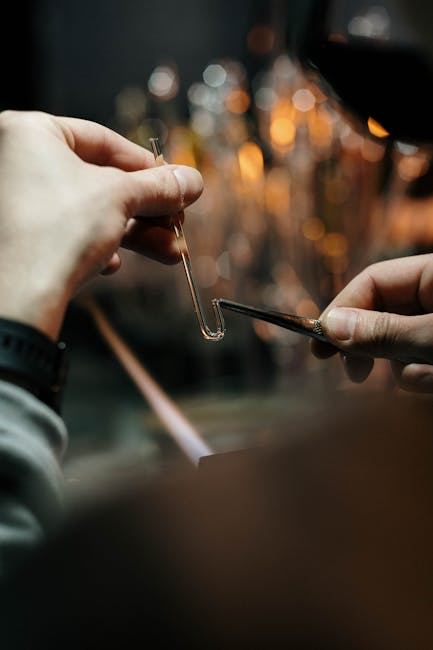
Glassblowing isn’t about artistic flair; it’s a physics-driven craft that transforms beginners into skilled makers in record time.
Learning glassblowing as a beginner can be an exciting journey into the world of shaping molten glass through a metal pipe.
You gather hot glass from a furnace, inflate it like a bubble, then sculpt it with tools and gravity. The material remains workable only for a short time.
The material is always moving. You're racing a cooling clock every time.
In glassblowing, you gather molten glass from a furnace on a blowpipe, reheating it repeatedly while shaping it on a marver table, using tools like shears and tweezers, and controlling air pressure to inflate the glass into forms like ornaments or tumblers, all while ensuring proper cooling in an oven to prevent cracking.
Glassblowing induces a flow state through the focused timing required for manipulating molten glass, providing instant feedback as you shape the material, fulfilling creative urges by allowing experimentation with colors and forms, and delivering a sense of accomplishment from mastering the difficult techniques involved.
You think glassblowing is just for artists. The kind who wear linen and have studios, calling their work a "practice."
This locks you out of one of the most hands-on hobbies beginners can dive into.
Picture this: a first-timer walks into a Chicago studio. By her second session, she has her own drinking vessel. She wasn't a natural talent. She trusted the rotation and let physics do its thing.
Heat and gravity run the show.You're facing immediate feedback.Every session sharpens different skills.This is why so many keep coming back — it's a combination of mental puzzle and physical workout that changes how you approach every task after six months.
Ready to see how your first session might turn out, and why you'll likely find yourself booking another? That's what's up next.
Watching glassblowing videos feels like witnessing art in motion—full of vibrant color and control. Your own first attempt involves a stubborn glowing blob that refuses to cooperate, arms straining under the heft of a five-pound pipe, and an unexpected onslaught of intense heat.
The journey from breathtaking artistry to your own clumsy first tries is where the real learning unfolds. It requires a willingness to keep going despite awkward missteps.
Initially, you'll struggle to shape the glass while maintaining graceful rotations. You'll see molten colors bloom and shapes form in your mind rather than your hands. Forget to rotate for even a moment, and everything droops. The weight of the pipe surprises you, and the heat may not hit your face the way you expect.
Persistence trumps natural grace in glassblowing. Success belongs to those who continually adjust to the unexpected demands of molten glass.
Prepare for a surprise: the glass looks visually cool in videos, but color during the process can be deceptive. In the furnace, all you see is a featureless orange mass at 2000°F. Only after it cools does the vividness emerge. So you'll need to make choices based on what you can't see. Ask your instructor for guidance on color and temperature before you start your first gather.
When to start: Morning
Duration: 2 hours
Cost to try: $50
Success criteria: If you finished without burning yourself, do session 2.
The glass looks ready – glowing, soft, cooperative – so you step back to shape it, and it stiffens before you've done anything useful.
Reheat more than you think you need to.
The rule most beginners learn too late: if you're questioning whether it's warm enough, it isn't.
More air feels like more control, so beginners puff like they're inflating a balloon – and get a thin-walled bubble that collapses or blows out.
Use short, slow, deliberate breaths and let gravity and rotation do the work that you're tempted to do with your lungs.
When the shape starts drifting or the glass does something unexpected, the instinct is to stop and stare at it – which is exactly when gravity finishes ruining it.
Keep the pipe rotating continuously, even while you're problem-solving.
Stopping is never neutral in glassblowing.
It looks like a tool you hold, so beginners white-knuckle it – which kills the fluid wrist movement that actually controls the gather.
Rest the pipe in the crook of your fingers and practice rotating it between your palms before you're anywhere near a furnace.
The glass is solid, you're excited, it survived – so cooling it on the bench feels like a reasonable shortcut.
Every piece goes in the annealing oven, no exceptions –
Thermal stress is invisible until the moment your finished work cracks itself in half.
Glassblowing happens in hot shops and community studio spaces. Occasionally, it's found in universities with fine arts programs. But it's mostly in independent studios that rent furnace time and offer beginner sessions.
Walk into a studio and say: "I've never touched glass – do you have intro sessions, or can you point me to someone who runs them?" Expect a schedule, a price sheet, or a recommendation.
Swap the furnace for a torch. Smaller scale, greater precision. You're crafting beads, marbles, figurines instead of vessels. Perfect for beginners seeking real glasswork without needing a full studio setup.
A starter torch ranges from $150–$400, making this the easiest way to begin.
Here, you focus on functional items—tubes, flasks, labware. Techniques mirror traditional blowing but aim for dimensionally precise outcomes. Ideal for those who enjoy precision over creative expression.
Shape sealed glass tubes and fill with gas, not blown glass. The skill set involves techniques similar to plumbing. Great for those drawn to signs and clarified projects.
Anticipate higher setup costs, as pumping and electric systems add up.
No blowing here—just use heat and tools for solid structures. It favors patience over lung power. Perfect for those who found blowing frustrating or not intuitive.
Pour or pack glass into molds and fire it in a kiln. No torch or pipe involved. The slow and forgiving process makes this the safest start for complete novices with no live-fire experience.
Some of the same instincts show up in 3D Printing — worth a look if this clicked.
If the texture of this appeals to you, Vehicle Restoration is built on similar bones.
Some of the same instincts show up in Car Restoration — worth a look if this clicked.
Beginners often focus on their hand movements, but the real issue is not knowing how to read the glass.
Heat is invisible, yet glass signals its temperature.
Can you read color temperature? This is crucial. By observing how your gather glows, flows, and sags, you can tell its heat stage before handling it. Amber-orange means workable, cherry red means hurry, and straw-yellow means too late. Master this skill, and every session becomes intuitive.
Reading temperature is lasting. You become proactive, effortlessly adjusting when the glass is ready, not after it resists. Without this skill, you're guessing. A guess in glassblowing leads to bad form and unexpected burns.
Students stalled after three months aren't making wrong moves; they're mistiming their actions.
Try four sessions over a month, one per week, to see past the initial shock of heat and learn what truly speaks to you.
If you're itching to return not for the beauty of what you made, but for the mesmerizing process — gather, rotate, and move — that's passion. Book your next studio slot before leaving your fourth session.
If glassblowing feels just okay, with little thought between sessions, it may not captivate you as expected. Experiment with color or a specific technique that catches your eye before deciding.
Actively dreading each session isn't about nerves. It's a clear message. Sharing a hot shop might not be your rhythm, and that's fair. Accept it and explore elsewhere.
You're watching late-night videos of glassworking, not tutorials, just entranced by the flow and movement. That quiet focus isn't casual interest; it's the beginning of a real connection.
If there's no shared-access hot shop within reach, this craft is currently out of reach. Home setups need major infrastructure like ventilation and gas lines — not an easy start. Chronic heat sensitivity or respiratory issues also make this environment tough; it runs hot, at 2000°F before the glory hole even opens. Scheduling is strict, so an unpredictable calendar can immediately sap momentum.
For quicker fixes, see our roundup of things to do when you're bored.
Initial costs range from $50–$150 for a beginner class at a studio, while purchasing personal equipment can cost $2,000–$10,000+. Most people start by taking classes at established studios rather than investing in home equipment right away.
Glassblowing involves inherent risks including heat burns, eye strain, and respiratory concerns from fumes, but these are manageable with proper safety gear and training. Studios provide protective equipment like heat-resistant clothing, face shields, and ensure proper ventilation to minimize hazards.
You can create your first basic piece in a single 2–3 hour introductory class, but developing intermediate skills typically takes 20–40 hours of practice. Becoming proficient at complex designs requires months or years of dedicated practice.
Common creations include vases, bowls, ornaments, beads, and sculptural forms. Advanced artists also create functional pieces like drinking glasses, lighting fixtures, and large installation art.
No prior experience is required—studios teach beginners from scratch. You'll benefit from hand-eye coordination and patience, but artistic ability and technical skills are developed through hands-on instruction and practice.
Furnaces typically reach 2,000°F (1,100°C) or higher, while the glass you work with is usually around 2,100°F (1,150°C). At these temperatures, the glass flows and shapes easily, but cooling too quickly can cause cracking.