BoredomBusted — Find Your Next Favorite Thing To Do
Discover hobbies, activities, places, and ideas that spark joy. Whether you're looking for something creative, active, social, or relaxing, BoredomBusted helps you find your next favorite thing to do.
Browse our hobby guides, things-to-do collections, and place ideas to never be bored again.
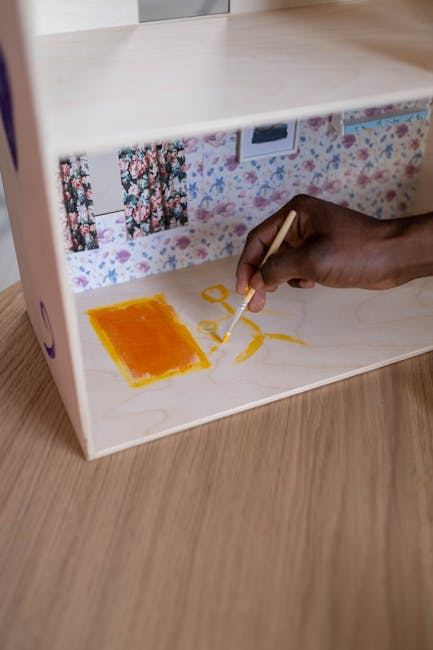
Miniature painting isn’t just for basement dwellers — it’s a unique way to sharpen fine motor skills and connect with a surprisingly supportive creative community.
Getting started with miniature painting as a beginner allows you to express your creativity through hand-painting intricate small-scale figures, typically ranging from 15mm to 32mm, using fine brushes, acrylic paints, and layered techniques to add color, shading, and detail.
Unlike general model-building or coloring, every figure becomes a deliberate creative decision, blending fine motor skill with artistic choices that compound over hundreds of hours of practice.
Miniature painting involves applying thin layers of acrylic paint to small-scale figures, typically 28mm tall, using fine-tipped brushes under close inspection. Painters meticulously prime figures, plan color schemes, and execute sequences of techniques like basecoating, washing, and detailing, often spending 1 to 2 hours per session focused on achieving intricate details such as armor engravings…
Miniature painting fosters a flow state through the hands-on challenge of precision, allowing painters to become absorbed in the task for hours. The immediate visual feedback from layering paint creates motivation via skill feedback loops, while the sense of accomplishment from completing a piece enhances relaxation and satisfaction. Additionally, social belonging through sharing progress further…
You imagine this hobby as a pastime for those painting tiny soldiers at home. That perspective might be keeping you from something truly rewarding.
Miniature painting combines fine motor skills, color theory, and patience – the same skills that apply to illustration, tattooing, or even surgical tasks.
This isn't about tiny figures being limiting – the focus they require quickly becomes addictive.
The community is welcoming, not just niche enthusiasts. Strangers often spend time critiquing work to help others improve.
Consider Jarvis, who started painting to enhance his Dungeons & Dragons figures.
Six months later, he was posting intricate resin sculpts, receiving commissions.It became the first hobby where he felt real progress.
You're probably curious about tools and costs now. We'll dive into that next.
Trying to paint a miniature for the first time feels different than watching professionals. YouTube videos show fluid brush strokes and impeccable blending, but face-to-face with your own model, your hands seem clumsy.
Your first attempts will include shaky lines and pooling paint. Colors may look mismatched, and base coats take longer than expected.
Eventually, you'll master brush loading and thin coats. Eyes on your figures will finally make sense, and you'll be proud to photograph the results.
A wet palette is a beginner's best friend. Standard palettes dry acrylic paint quickly, leading to constant re-mixing. A wet palette keeps paint usable for hours, eliminating a major frustration.
When to start: Early morning
Duration: 1 hour
Cost to try: $15
Success criteria: If you base-coated one miniature with smooth, even coverage and added one clean detail like eyes, trim, or a symbol, do session 2.
Skipping the Primer Everyone wants to paint, not prep – so the primer step feels like a delay. Spray or brush a thin coat of grey or white primer before touching any color, or your paint will peel off the moment you handle the mini.
Painting Straight from the Pot Fresh out of the bottle, acrylic paint is too thick – it fills in detail and dries chalky fast. Add 1–2 drops of water or medium to your palette until the paint flows like skim milk, not cream.
Starting with the Basecoat Last Beginners paint the most visible areas first, then crowd-control the rest – and everything bleeds into everything. Work dark to light, inside to outside: recesses first, raised surfaces last.
Holding the Mini by the Painted Surface It's the obvious grip, and it wrecks wet paint and leaves fingerprint oils on areas you haven't touched yet. Glue your mini to a cork or an old pill bottle with a dab of poster tack so you're never touching the model itself.
Drybrushing Too Wet Drybrushing sounds foolproof until you drag a loaded brush across a surface and leave a smear instead of a highlight. Wipe the brush on a paper towel until almost no paint transfers, then brush – if you can see paint coming off immediately, it's still too wet.
Many miniature painters operate solo at home, using minimal space and supplies.
But local gaming stores and tabletop cafes often host painting nights. You can learn alongside people who've faced the same challenges.
Games Workshop connects painters through its events and clubs. Their ecosystem can lead you to everything from gatherings to competitions.
Be upfront about being new. Start conversations like "I've just started, what should I know?" It's a great icebreaker and usually gets you tips and gear advice.
Painters enjoy helping newcomers, as it gives them a chance to share their passion for hours.
Using game pieces from sets like Gloomhaven or Descent, pre-assembled sculpts simplify the process. Perfect if you're new and want results without investing in a vast collection.
Think Warhammer 40K – you're crafting entire armies. This is a mix of collecting, modeling, and painting, bundling everything into one expensive habit. Expect significant costs for kits and supplies.
These figures aren't for gaming. They're all about the shelf appeal, demanding finishes like non-metallic metal and intricate blending. Ideal for those seeking a true challenge after mastering basics.
Using Games Workshop's Contrast paints, complete minis quickly—fully shaded and ready in under ten minutes. This style is great for those wanting fast results without spending 40 hours on a single squad.
Use a resin 3D printer (costing around $200–$300) to create your own models before painting. It's perfect if you want complete control over what's on your table, reducing future model expenses.
If this resonates, Etching explores a similar direction.
If this resonates, Pencil Drawing explores a similar direction.
If the texture of this appeals to you, Sketching is built on similar bones.
Mastering miniature painting isn't about steady hands or perfect brushstrokes.
The real challenge is seeing light and shadow before they're on the model.
Pre-visualize the value structure. Decide where your lightest lights and darkest darks will go before you touch the model with a brush. Commit to this plan for every layer.
Not winging it highlight by highlight. Not "I'll fix it at the end."
When you succeed at pre-visualizing, flat minis won't confuse you anymore. You'll see exactly which surfaces need a value shift.
Without this skill, your work suffers. Highlights might not pop, or you might paint over parts that were fine just before.
Carve out thirty days with six sessions of miniature painting. Spread them out—enough to process each session separately.
If you find yourself planning your next painting move in unlikely moments, you're onto something. It's not just about liking the hobby—it's that quiet pull of curiosity. Upgrade your gear and dive deeper into a project with clear goals.
Neutral feelings after six sessions suggest a deeper look. Did distractions, bad brushes, or rushed timing get in the way? Try one focused session with decent supplies. Still indifferent? That's telling you something important.
Relief at finishing means more than a tough hobby—it signals it's truly not for you. Six sessions of dread is enough to know. Find something that suits you better.
The unmistakable sign? You're examining painted minis wherever you go—online, in shops, or at game nights. Noticing the details in others' work is your mindset as a painter already kicking in.
If nothing here clicks, our guide to what to do when bored covers shorter, lower-commitment options.
A basic starter kit with brushes, paints, a palette, and primer typically costs $30–$60. Add a few miniatures ($5–$15 each) and you're ready to begin. As you progress, you can invest in specialty tools like airbrushes or lighting rigs, but these aren't necessary to start enjoying the hobby.
No—miniature painting is a learnable skill, not a talent requirement. Most painters improve dramatically within weeks of regular practice through basic techniques like basecoating, washing, and dry brushing. Online tutorials and community feedback help speed up your progress.
Most gaming miniatures range from 25mm to 54mm in height, with smaller skirmish models around 10–15mm. Detail level varies widely by manufacturer and price point—starter models are forgiving and don't require extreme precision, while display pieces can showcase advanced techniques.
A basic tabletop-quality miniature takes 30 minutes to 2 hours depending on complexity and your experience level. Competitive display pieces can take 10–20+ hours, but you can pause and resume projects as you like.
A small desk or table with good lighting (desk lamp or ring light) is ideal to reduce eye strain and see fine details. You'll want to protect the surface with newspaper or a mat, and keep water and paper towels nearby for brush maintenance.
Yes—it significantly enhances fine motor control, hand-eye coordination, and attention to detail. Many painters also develop patience, color theory understanding, and problem-solving skills that translate to other areas of life and work.