BoredomBusted — Find Your Next Favorite Thing To Do
Discover hobbies, activities, places, and ideas that spark joy. Whether you're looking for something creative, active, social, or relaxing, BoredomBusted helps you find your next favorite thing to do.
Browse our hobby guides, things-to-do collections, and place ideas to never be bored again.
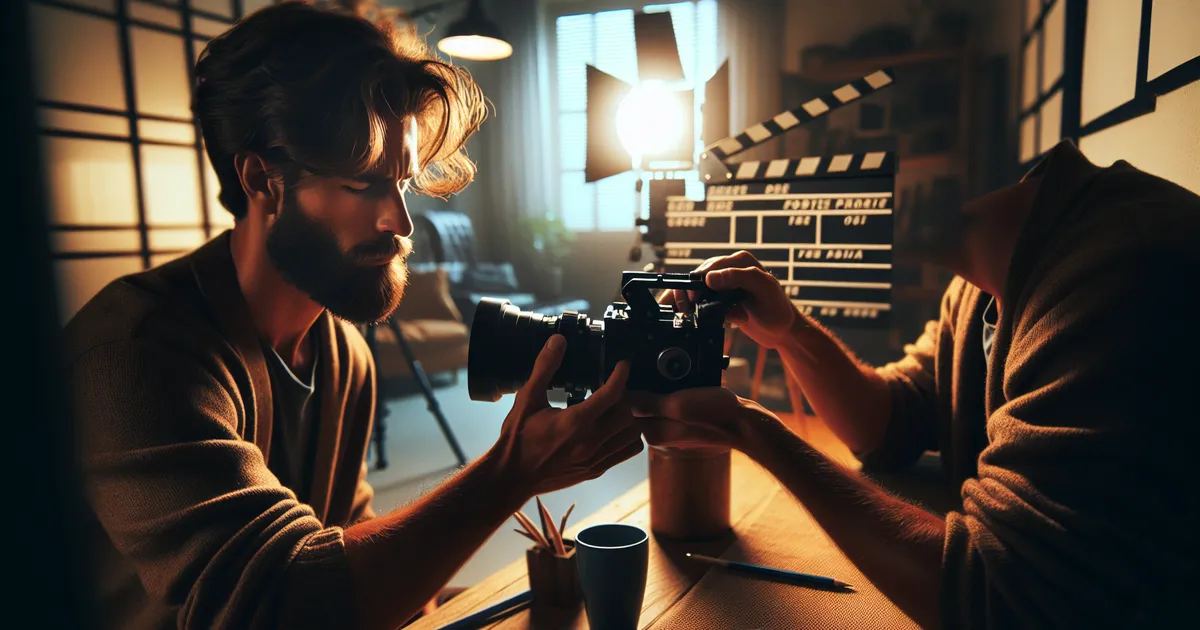
Short film making isn't just about storytelling—it's a high-speed feedback loop that boosts your skills and sparks creative flow states far quicker than other formats.
Getting started with short film making as a beginner involves understanding the essential steps of writing, shooting, and editing a story in a concise format – usually far less.
You control every frame:
Unlike photography or vlogging, the goal is a narrative arc with intention behind every cut – not a single image or a running diary.
In short film making, hobbyists brainstorm story ideas, create scripts or shot lists, film scenes using basic equipment like smartphones, and edit their footage into concise films that capture narratives or events, often alone or with minimal help from friends or family.
The iterative process of shooting and editing films fosters rapid feedback loops that encourage skill development, while the challenge of crafting narratives engages the creative mind, allowing for flow states and a sense of accomplishment through tangible outcomes.
You probably think a short film is just a shorter movie.
Every frame in three minutes has to carry weight. A two-hour movie can afford to meander. But in short films, storytelling hinges on the edit.What you choose to cut is everything.
The "low stakes" label is misleading. Festivals, distributors, even hiring directors care about short films. They're your real portfolio.
Damien Chazelle's success stems from this. His short film version of *Whiplash* wasn't due to a lack of resources. It was the proof of concept that led to the feature's greenlight.
You're already asking yourself about the gear you'll need to get started. That's a crucial piece we'll tackle next.
Creating a short film might look easy at first. But behind every frictionless scene, there are countless attempts to get it right. Expect to face unexpected challenges like unusable footage due to noise or hours troubleshooting strange audio quality.
Initially, it feels deceptively simple. You have a clear vision, a story, and a camera ready to roll. Just press record, right? But after a few sessions, you'll find yourself crafting tighter narratives and treasuring the few shots that truly capture your vision.
In your first week, there's a lot of trial and error. You might shoot more than needed, only to discover that half is unusable due to focus issues
Reshooting becomes your best teacher by the second week. You'll redo scenes multiple times and gain insights unavailable in tutorials.
By week three, exporting your work feels like an emotional roller coaster. Hearing your dialogue aloud might lead to a specific kind of embarrassment but also growth.
As you enter week four, you're already planning your next project, armed with fresh perspectives on what needs fixing.
Feeling overwhelmed by day ten is common. The footage might look off, and the story may fall flat. But that gap between vision and reality is crucial for development. Every filmmaker faces it, and no one bypasses this learning phase.
Before shooting, always do a quick audio test at each location. Capture ten seconds and listen for any issues with headphones. This small step can prevent irreversible sound problems in your footage.
When to start: Early morning
Duration: 1 hour
Cost to try: $10
Success criteria: If you finished without overthinking every shot, do session 2.
A 10-page script feels brief, but each page equals about a minute of screen time. Capturing each minute can take hours.
Cut your script to 3–5 pages max for your first film.
Make sure every scene can be shot with your current resources.
Beginners often use a single angle and move on. But this leaves no options for editing if problems arise.
Shoot each scene from at least two angles.
A wide and a close shot give you editing flexibility.
A camera three feet away from an actor can't record quality sound. Background noise ruins audio.
Clip a $25 lav mic directly onto your subject.
Even this simple change elevates your film above most beginner efforts.
Your first successful take isn't likely the best for the scene. It's just a relief something worked.
Log every usable take before editing.
This ensures you make a choice based on quality, not relief.
You might love a location's look, only to find noise ruining your shoot.
Visit your location at the exact time you plan to shoot.
Listen for two minutes. If you hear noise you can't control, find a new spot.
Great short films are made wherever you can point a camera. That could be your living room, a local park, or even a rented film studio.
The real skill is making any space look intentional. That's what turns a simple location into a compelling story setting.
Meetup.com is the first stop for finding your crew. Search "short film club [your city]" and you'll find groups with regular shoot days and screenings.
Local festivals are goldmines for workshops. Film Freeway (filmfreeway.com) lists them, and organizers usually run community events.
Facebook Groups buzz with indie filmmaker activity. Search "[your city] indie filmmakers" for gear loans and collaboration callouts.
Don't miss the Independent Filmmaker Project (IFP). Now part of Filmmaker Magazine, their network offers regional chapters and member directories.
Lead with "I'm just starting out, but I can help as a PA." It's the quickest way to learn, by being right there in the action.
Real people. Real places. Real events. No script needed. Forget actors and sets.
Characters and storylines. Shot lists with precision. This is what most think of as filmmaking.
. Doing it alone can quickly become overwhelming.
One continuous shot, no editing cuts. The constraint forces creativity in real-time.
No rules. No structure. Pure image and sound. Let creativity roam freely.
Same craft, shot entirely on a smartphone. Easy entry, no gear required
It's not a compromise
. The gap between phone and camera footage is small.
Readers who enjoy this often gravitate toward Graphic Design next.
Some of the same instincts show up in Animation — worth a look if this clicked.
Scene economy is the key skill in filmmaking.
It's the ability to isolate what a scene must achieve and remove everything else.
Every scene needs one clear job.
Not "this scene sets the mood, develops character, and introduces backstory."
One job; nothing more.
Your films will transform with this skill.
Scenes pulling in the same direction bring cohesion.
Great visuals and sound can't replace this. Without it, the film loses momentum.
Review past work: write a single job sentence for each scene.
Plan future shoots with the scene's job clearly stated, in present tense.
Study admired films, noting changes per scene – learn from tricks.
Build this into your process, and watch your storytelling elevate.
Eight sessions in 30 days. Aim for roughly two sessions a week to capture the full filming cycle: planning, shooting, editing, and reviewing the final cut.
If your mind races to the next shot before finishing the current one, you're in. That pull signals newfound enthusiasm. Focus on learning story structure. Start with three-act short film scripts and bring in someone new to act in your next project.
If you finish the sessions with no urge to return, that offers clarity. It suggests you preferred the idea of creating films over the actual process. Consider whether it's the final product that draws you or the process itself. Each insight points to a new hobby to explore.
If editing felt tedious every time, take note. Post-production is about 60% of short filmmaking. Feeling drained rather than fulfilled indicates this isn't for you. It's fair to step away.
You're scrutinizing YouTube shorts, curious about technique not just entertainment. That shift from viewer to analyst shows genuine interest. It often surfaces before you grab the camera.
Looking for something lighter? Our boredom-busters guide is built for exactly that.
A short film typically takes anywhere from a few weeks to several months, depending on scope and complexity. A simple 5-minute film with basic editing might take 2–4 weeks, while more ambitious projects with special effects, multiple locations, or professional crew can take several months.
You can start with a smartphone camera, a basic microphone, and free editing software like DaVinci Resolve or CapCut. As you progress, you may invest in a DSLR or mirrorless camera, lighting kits, and audio equipment—but many award-winning shorts have been made with minimal gear.
You can make a quality short film for $0–$500 using equipment you already own and free software. Independent filmmakers typically spend $500–$2,000 for modest productions with borrowed or budget gear, while professional shorts with crew and rental equipment can exceed $5,000.
Short film making has a low barrier to entry—you can learn the basics in days and start shooting immediately. The challenge lies in storytelling and consistency; most beginners improve dramatically after completing their first 2–3 projects.
Core skills include basic cinematography, sound recording, and editing, which are all learnable through online tutorials and practice. Strong storytelling and an eye for visual composition matter more than technical perfection, and you'll develop these naturally through experimentation.
Most festivals and platforms accept films between 1–15 minutes, with 3–7 minutes being the sweet spot for keeping audience attention. Your story length should match your narrative naturally—don't artificially extend or compress your idea.