BoredomBusted — Find Your Next Favorite Thing To Do
Discover hobbies, activities, places, and ideas that spark joy. Whether you're looking for something creative, active, social, or relaxing, BoredomBusted helps you find your next favorite thing to do.
Browse our hobby guides, things-to-do collections, and place ideas to never be bored again.
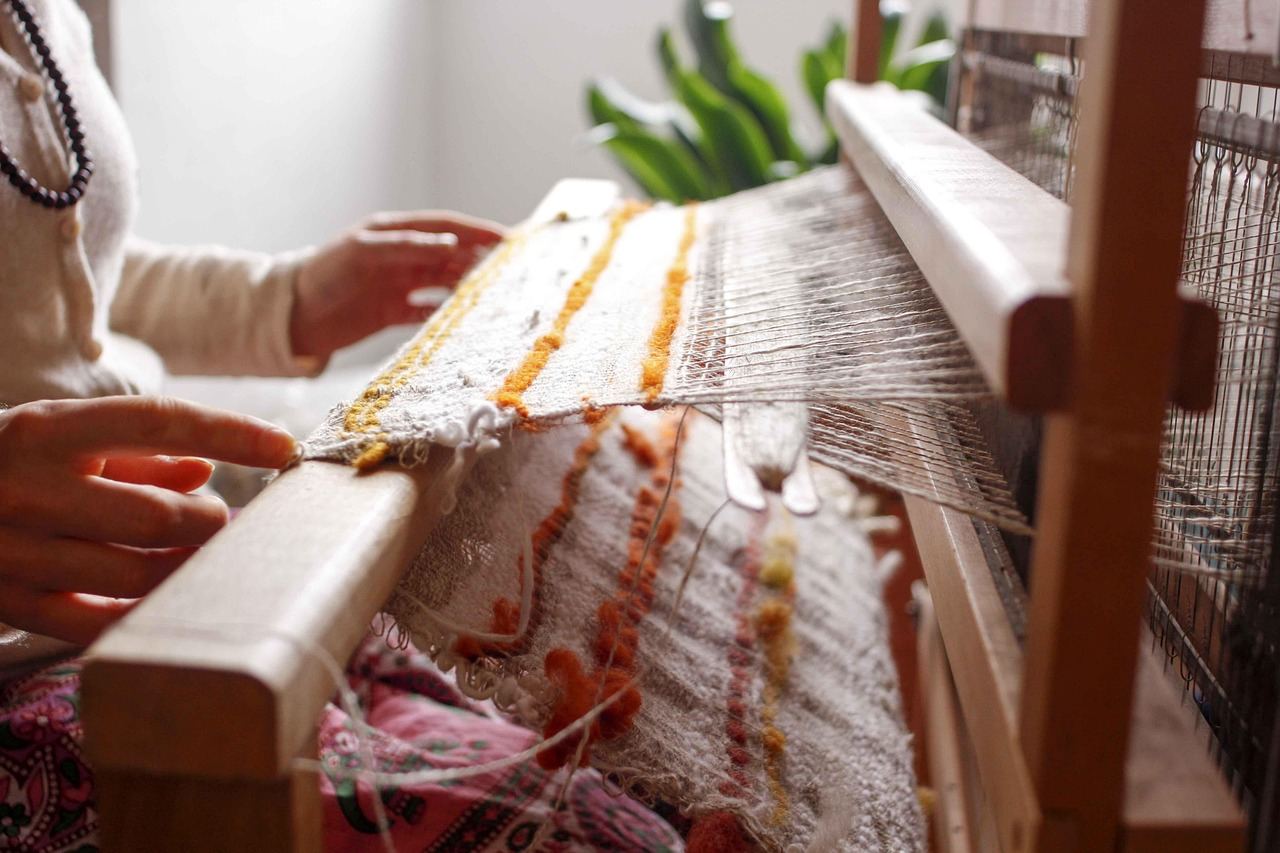
Weaving transcends nostalgia; it's a dynamic decision-making process that fuses math and art, teaching lessons no intro art class can match.
Learning weaving as a beginner involves understanding the fundamental techniques of interlacing threads to create beautiful fabric from scratch. The warp (held under tension on a loom) and the weft (woven through it) – to build fabric from scratch.
Unlike knitting or crochet, you're constructing the cloth itself, not just shaping yarn that already exists.
In weaving, hobbyists set up a loom with tightly strung warp threads and use a rhythmic motion to interlace weft threads, creating fabric. They manipulate tools like a tapestry beater and needle, adjusting tension and pattern as they craft items such as scarves or rugs, requiring focus on yarn texture and iterative improvements throughout their sessions.
Weaving induces a flow state through its repetitive, meditative motions, allowing practitioners to immerse themselves in the tactile experience while fostering skill development through visible progress. Immediate feedback from each completed row builds confidence and satisfaction, while the creative potential of varied projects keeps the experience fresh and engaging.
You think weaving is what your grandmother did. Slow, repetitive, something for people with nowhere better to be.
That assumption is costing you one of the most satisfying hands-on skills available right now.
A 6-inch sampler woven on a basic frame loom will teach you more about color interaction than most intro art classes. You're physically building color relationships, thread by thread, and you can't undo a bad pairing without feeling the cost.
No undo button. No layer to hide. Just the thread and the choice you already made. That permanence is what makes early decisions in weaving matter more than in almost any other beginner craft.
Watching someone weave on YouTube looks meditative. Rhythmic. Almost automatic. Then you sit down at the loom and realize your hands have no idea what order anything happens in.
The first session is mostly triage. Warp threads tangle because you threaded the heddles out of sequence. The shuttle goes the wrong direction and you don't catch it for four rows. Your edges curl inward because your weft tension is too tight on the return pass. None of these failures are random — they all trace back to the same thing: your hands are making micro-decisions the tutorials never slowed down enough to show you.
By week two your edges look better, but your beat is inconsistent and the fabric bunches. Week three, the shuttle rhythm stops requiring conscious thought. Week four, you cut your first piece off the loom and the width has drawn in by nearly an inch, the color sequence drifted two rows back, and the hem is uneven — and you will want to start another one immediately, because now you know exactly what to fix.
Quit now, or quit in week six. The loom is the same loom either way. The only variable is whether your hands have done it enough times to stop fighting the sequence. One practical thing that changes your odds: pre-sleigh your reed one sett looser than your yarn label suggests. Most beginner warps go in too tight, and draw-in is unfixable once the fabric is halfway done.
The gap between frustrating and satisfying is smaller than it looks from the outside. The next section covers the mistakes that keep people stuck in the frustrating half longer than they need to be.
When to start: Morning
Duration: 1 hour
Cost to try: $20
Success criteria: If you weave a 4-inch sample with at least 3 visible color changes and secure both ends flat, do session 2.
New weavers grip tension like they're arm-wrestling the loom — because loose feels wrong. Tight feels controlled. It isn't.
Wind your warp with consistent, moderate tension, then let it sit overnight before you start weaving. Threads need time to settle — overnight rest before your first pass prevents the whole warp from fighting you.
Beating hard on every pass feels rhythmic and correct. Then you cut off the fabric and it could stop a bullet.
Plain weave needs a light beat. Save firm pressure for structures that specifically call for density — your hand should match the pattern, not just repeat a habit.
Beginners pull the weft straight across the warp. Then they beat. The edges curl inward because there's no extra length for the yarn to wrap each warp thread.
Bubble the weft instead — lay it in a gentle arc across the warp before you beat, and your selvedges will stay straight without any special effort.
Slippery yarns like bamboo and loose singles are tempting because they photograph well. They'll also slide off the shuttle, pill on the heddles, and tangle before you hit inch three.
Start with a smooth, plied wool or cotton at a weight that matches your sett. Once your hands know the motion, graduate to the fancy stuff.
Threading mistakes are small and quiet. You won't see them until a line of floats appears ten inches in and you have to trace back through every thread to find the source.
Tie on in small sections and weave a few test rows before advancing past the first inch. Catching an error at inch one costs you five minutes — the same error at inch ten costs you the afternoon.
Weaving happens in textile studios, fiber arts co-ops, and community maker spaces – check arts and crafts studios and maker spaces near you first.
Local weaving guilds are the real entry point – they're where the looms, the knowledge, and the people who've already made every mistake actually live.
Walk in and say: "I've never touched a loom – do you have beginner workshops or open studio time?"
That sentence gets you a tour, a recommended first loom size, and usually someone who'll let you try theirs before you spend a dollar.
A rigid heddle loom uses one tool to control the whole shed. No dozen moving parts, no six-month ramp-up to get usable fabric.
These looms run $100–$300 — a fraction of a floor loom. Every other variant on this list assumes you've already decided weaving is your thing; this one is for finding out.
A floor loom is a large freestanding loom with multiple shafts. It produces complex patterns and is what most serious weavers eventually land on.
Used models start around $500 and climb fast. It's the one variant that demands real commitment — in space, money, and time — before you even thread it.
Blend weaving builds images and shapes with yarn. You're not constructing cloth — you're constructing a picture, and the structural rules of traditional weaving mostly don't apply.
A basic variety frame costs under $50, making it one of the cheapest entry points in the whole craft. Best for visually creative people who care more about the image than the fabric.
The loom attaches to your body. Tension is controlled by leaning back — a method weavers in Andean and Southeast Asian traditions have used for thousands of years.
Setup costs almost nothing. But don't mistake the low price for easy — the learning curve is steeper than any other variant on this list.
Inkle looms produce narrow bands — straps, belts, trim, bookmarks. The scope is deliberately small, but you're learning actual weaving structure, not a simplified stand-in for it.
An inkle loom runs $50–$150 and fits on a desk. Right for someone who wants a low-commitment first project without reorganizing a room around a hobby.
If you want a related angle, Relief Carving is the natural next stop.
If the texture of this appeals to you, Wooden Model Construction is built on similar bones.
If the texture of this appeals to you, Macrame is built on similar bones.
Most beginners obsess over their pattern – counting threads, matching colors, keeping rows even.
The pattern isn't the problem. Their hands are.
The one skill is weft tension control – the ability to feel, not measure, how tightly you're pulling the weft yarn across the warp after each pass.
Not tight enough, and your edges pucker inward.
Too tight, and the whole cloth pulls like a bad haircut.
The right tension is a physical instinct you build in your hands, not something you calculate with your eyes.
Once your hands know the right pull, your selvedges (the side edges) straighten out automatically – and straight selvedges are what separates a weaving that looks handmade from one that looks handcrafted.
Without it, you can follow a perfect pattern and still end up with a wavy, uneven cloth that no finishing technique will fix.
Six sessions over 30 days — roughly one or two per week, spaced enough to reflect between them rather than just react.
Why six? Warping a loom the first time is genuinely tedious, and one session won't tell you anything real. Six sessions gets you past the mechanical frustration and into the actual rhythm of the craft.
If you're already thinking about your next project before the current warp is off the loom — color combinations, pattern changes, what you'd do differently — that's not enthusiasm for a new activity, that's the hobby working on you. Start looking at four-shaft looms and intermediate patterns. You're past the trial phase.
If you finished all six sessions and feel nothing in particular, check whether you were using the right loom type before you write it off. Rigid heddle and floor loom weaving are different enough that one more session on different equipment is a fair test — one session, not six.
If you dreaded sitting down at the loom — not the learning curve, but actual resistance to being there — that's clean feedback. Weaving is slow, physical, and demands sustained attention in one place. If that description already sounds like punishment, six sessions just confirmed it.
You've been saving photos of handwoven textiles — throws, varieties, fabric with visible texture — without really knowing why. Not sewing patterns, not yarn — the cloth itself. That specific pull toward woven structure is the signal weaving tends to produce before you ever sit down at a loom.
Repetitive wrist and shoulder strain is a real disqualifier, not a minor inconvenience. Throwing a shuttle and beating the weft for hours loads those joints consistently. If you already have tendinitis, carpal tunnel, or a shoulder injury, weaving can make it significantly worse.
Space is a hard constraint. A floor loom needs a dedicated room — not a corner, a room. Even a rigid heddle loom needs a table and somewhere to store the frame. In a small apartment with no storage flexibility, the logistics will erode the habit before the hobby has a chance.
If you need fast, visible results to stay motivated, weaving will frustrate you before it rewards you. A simple scarf takes multiple sessions just to warp and set up. The payoff is real — it's never quick.
Weaving is a deeper commitment than most boredom cures — for lighter options, check things to do when bored.
To begin weaving, you'll need a loom (frame looms are affordable for beginners), yarn or thread, and a shuttle or needle to interlace the threads. Many starter kits include all essential tools and materials, making it easy to jump in without buying items separately.
Most beginners can learn fundamental weaving techniques—like creating simple patterns and maintaining consistent tension—within 2–4 weeks of regular practice. Mastering complex patterns and advanced techniques takes months or years, but functional projects are achievable quickly.
Weaving has a gentle learning curve; the basic mechanics are straightforward enough for kids and adults to pick up without prior experience. The main challenge is developing consistent tension and patience, but mistakes are often easy to fix or incorporate into your design.
A basic frame loom starter kit typically costs $30–$100, while larger floor looms range from $300–$2,000+. Yarn prices vary widely, but beginners can start affordably and upgrade equipment as they deepen their practice.
Yes, you can weave using simple tools like cardboard, wooden frames, or even your fingers for small projects. However, a proper loom—even an inexpensive one—gives you better control, tension management, and the ability to create larger, more polished pieces.
Beginners typically create wall hangings, coasters, scarves, and small tapestries, while experienced weavers progress to blankets, table runners, placemats, and decorative textiles. Each project teaches new techniques and allows you to experiment with color and pattern combinations.