BoredomBusted — Find Your Next Favorite Thing To Do
Discover hobbies, activities, places, and ideas that spark joy. Whether you're looking for something creative, active, social, or relaxing, BoredomBusted helps you find your next favorite thing to do.
Browse our hobby guides, things-to-do collections, and place ideas to never be bored again.
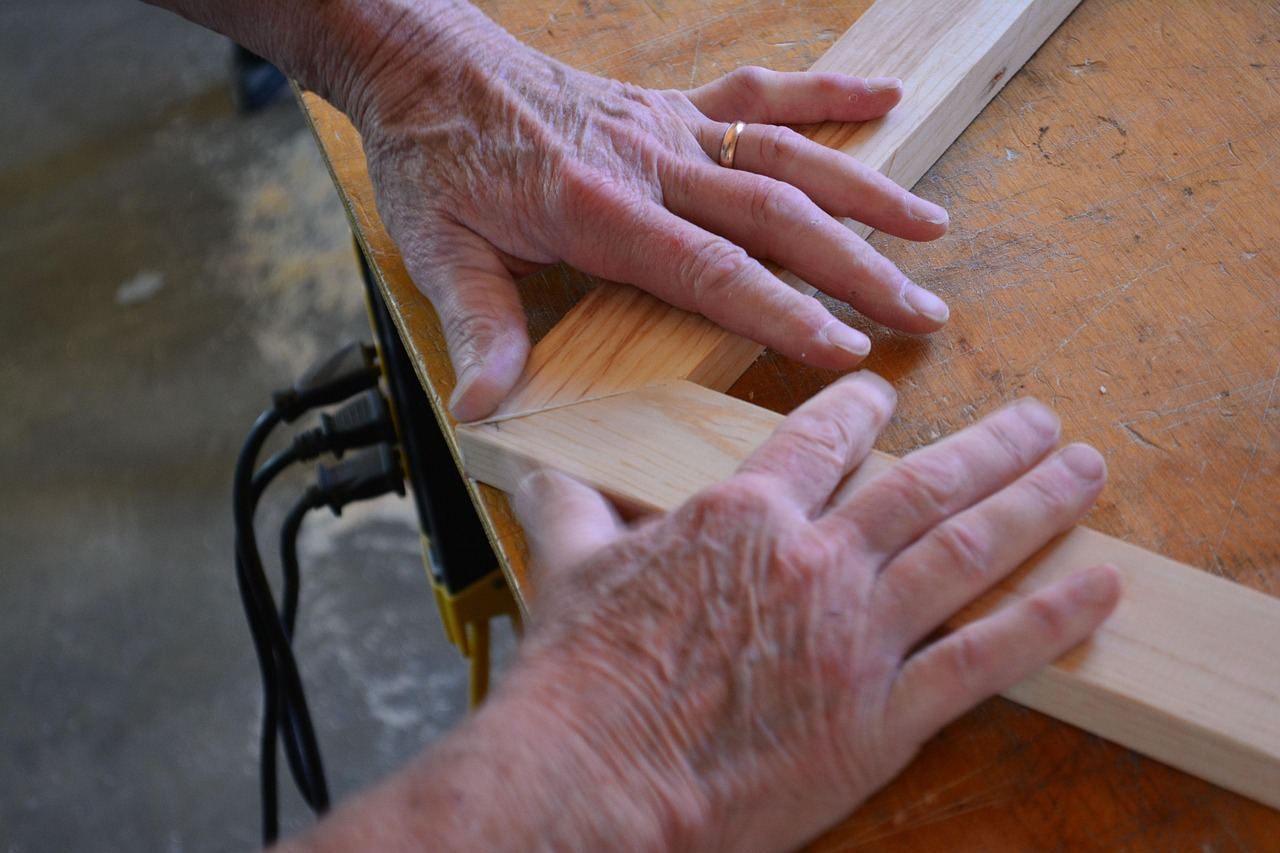
Many think woodworking requires a large space and pricey tools — in truth, you can start with just a few basics in any small corner of your home.
Getting started with woodworking as a beginner can feel clumsy at first, but the reward is worth the initial struggle. Then comes the scent of freshly cut pine — it's a sensory reality check, unlike a YouTube tutorial.
You select and shape wood to create something that not only looks good but actually works. Creativity and precision are both essential. Be it a small cutting board or a full dining table, the principles are the same.
No need for a workshop's worth of tools when starting out. A saw, chisel, clamps, and a flat surface will do. Your tool collection grows with your projects.
Safety gear isn't optional. Goggles, ear protection, and dust masks are essentials, not extras.
Woodworking teaches patience and spatial thinking. Technical skills help, but visualizing a finished piece from a rough plank is key. And knowing what to do when the wood takes its own path is crucial.
Woodworking involves designing, cutting, shaping, and assembling wooden pieces to create functional or artistic objects. It ranges from simple projects like birdhouses to complex furniture making.
Woodworking keeps the mind and body engaged, offering a satisfying mix of creativity and physical activity. It provides a tangible sense of progress as you move from raw materials to finished products.
You probably think woodworking demands a giant workspace and costly tools. That belief stops many budding woodworkers before they start.
In reality, you can begin woodworking with just a bench in a garage corner or a spare room. Start with essentials like a saw, hammer, and tape measure. Investment in expensive gear isn't necessary early on; accumulate tools as your skills grow.
The misconception that woodworking is only about big complex projects holds people back. Some tackle dining tables, but smaller items like cutting boards or birdhouses are ideal for starting out. These projects let you practice without overwhelming pressure.
You aren't alone in this hobby unless you want to be. Online communities and local groups abound with experienced and beginner woodworkers ready to share knowledge. They make woodworking a shared pursuit full of encouragement and collaboration.
The real beauty of woodworking lies in more than just objects. You transform raw materials through creativity into completed works, and it all starts with a single piece.
Starting woodworking is more about listening to your tools than anything else. You'll spend hours just getting to know them. The smell of fresh-cut wood mixes with the buzz of new discoveries. **Simple projects like a picture frame teach you respect for each tool's capabilities.
Moving into more complex joinery in week two introduces precision. You'll hear 'measure twice, cut once' more times than you expect. Mistakes become rituals here, each teaching a different lesson. **Woodworking is about patience more than speed.
Week three is make-or-break. Frustration peaks as you chase perfection with misaligned cuts. Stubborn wood grains test your resolve. **See these challenges as technique refinements rather than failures.
By week four, progress shows through. Your first complete piece brings unexpected satisfaction. Your growing understanding of wood's quirks — grain direction, texture — adds depth to your craft. **Creating with your own hands shapes more than wood; it shapes you.
When to start: Any afternoon
Duration: 2 hours
Cost to try: $50
Success criteria: When you complete your first project and feel ready to tackle another.
Impatience often leads beginners to skip precise measurements. This results in miscuts and wasted materials. Always measure twice before cutting. A well-lit workspace and a reliable measuring tape are vital to avoid mistakes.
Eye-catching wood can be tempting, but that's a trap. Its appearance doesn't always match the project's requirements. Different woods have unique strengths and grains. Research what your project demands and select accordingly.
Dirty or dull tools lead to poor cuts and can be dangerous. Many skip maintenance, thinking it won't matter. Schedule regular tool maintenance sessions. This keeps your tools sharp and your projects smooth.
Skipping the finishing process leaves your project vulnerable. A proper finish protects and beautifies your work. Allot time to sand, seal, and finish. This step is crucial and shouldn't be hurried.
Jumping into projects without planning spells trouble. Errors and wasted materials pile up quickly. Invest time in sketching designs and outlining steps. Clear plans save you hassle and improve results.
Local workshops at community centers or adult education programs are ideal spots to find your woodworking tribe. You'll meet people who share your passion and get hands-on experience.
Meetup and Facebook Groups are goldmines for local woodworking clubs. These platforms often organize meetings where members exchange tools and tips.
Consider joining the Woodworkers Guild of America to tap into extensive resources. You'll connect with a network of woodworking enthusiasts nationwide.
Dive into Reddit's r/woodworking community to share projects and get advice from woodworkers around the globe. A perfect start if you prefer digital interaction.
When you first join a group, introduce yourself and share your experience level. This openness helps others guide you with the right advice.
Cabinetmaking is all about crafting cabinets and storage solutions. It's about precision with an eye for detail. Great for those who enjoy functional projects involving joinery and finishing.
Woodturning uses a lathe to shape wood into bowls or vases. It's artistic and fluid, letting you explore symmetrical shapes. Perfect for those who love the tactile shaping process.
Carving is about removing wood to reveal patterns or figures. It's all about creativity with precision. Ideal for those with a steady hand who love intricate designs.
Joinery focuses on assembling wood pieces using joints. It's like solving a puzzle. Perfect for those who appreciate the technical challenge.
Furniture making blends planning, joining, and finishing. It's about creating functional pieces that are as beautiful as they are useful. Great for those who want pieces that merge aesthetics and utility.
A close neighbor worth considering: Hands On Skills.
If you want a related angle, Glass Etching is the natural next stop.
Lacemaking lives in the same world — different mechanics, similar appeal.
In woodworking, precision in measurements and cuts is everything. This skill underpins every project, big or small, and directly affects the outcome.
Without precision, joints won't fit, pieces will be mismatched, and your work will lack integrity. Mastering this makes the difference between professional and amateur results.
Start by using a measuring tape and square carefully. Double-check measurements before every cut. Practice with scrap wood to keep your lines straight and edges even.
Tackle small projects needing exact measurements, like shelves or a simple box. These help hone your accuracy.
Templates and guides are great tools for consistency. They're particularly helpful when making repeated patterns or shapes.
Five sessions over 30 days. One build per weekend, spaced enough to let the last one settle before starting fresh.
If you finish a session and immediately start sketching the next project — before cleaning up, before the glue is dry — that compulsion is the hobby, not enthusiasm that will fade. The next move is to stop buying tools and start building a second project with exactly what you have.
If the sessions felt fine but not compelling — the noise, the cleanup, the precision measuring — that's useful data, not a verdict. Try one purely hand-tool project before walking away. No power tools, no dust collection required — a different physical experience that some people find far more satisfying.
If the physical reality of wood — it splits, it moves, it's never perfectly square — felt like an enemy rather than a puzzle, that's a clean answer. Woodworking rewards people who find material unpredictability interesting, not people who want to defeat it.
The sign that it's working: you handed something to someone and felt specific pride — not relief, not "glad that's done," but actual ownership of the thing you made.
When you don't want to commit, things to do when bored is a better starting point.
Initial costs can range from $100 to $300 for basic tools and materials. Costs rise with more advanced tools and wood types.
Begin with simple projects using hand tools. Online tutorials and local workshops can provide guidance and skill-building.
Start with short, manageable sessions and gradually increase as your projects become more complex and your skills improve.
Basic techniques are easy to pick up, but mastering complex skills takes time and practice. Patience and persistence are key.
Mistakes are part of the learning process. They provide valuable lessons and can often be corrected or repurposed into your project.
A small, dedicated area in a garage or basement can be sufficient for many projects. Ensure good ventilation and safe tool storage.