BoredomBusted — Find Your Next Favorite Thing To Do
Discover hobbies, activities, places, and ideas that spark joy. Whether you're looking for something creative, active, social, or relaxing, BoredomBusted helps you find your next favorite thing to do.
Browse our hobby guides, things-to-do collections, and place ideas to never be bored again.
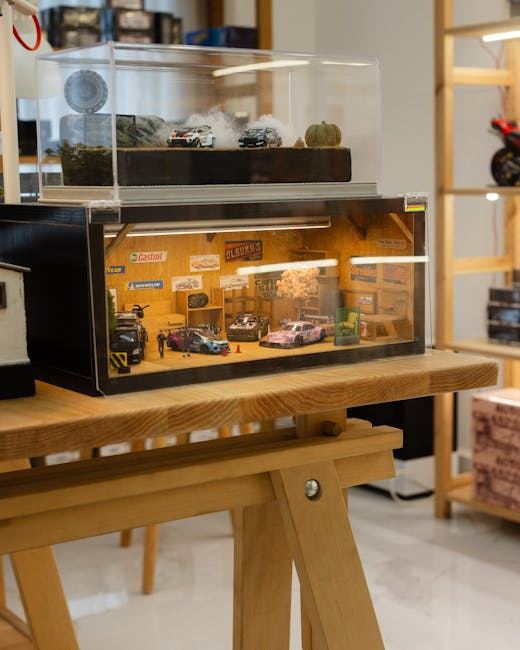
Diorama building is more than just tiny scenes—it's a blend of photography, architecture, and storytelling that transforms materials into immersive narratives.
Learning diorama building as a beginner opens up an exciting world of creativity, allowing you to construct stunning miniature three-dimensional scenes in a defined space – typically a box, base, or frame.
You combine sculpting, painting, and scene composition to tell a frozen story at small scale.
Unlike model kits or dollhouses, the goal is narrative: every element exists to serve a single, specific moment.
Diorama building involves hands-on creation of three-dimensional miniature scenes using materials like foam, wood, and paint. Hobbyists carve and shape elements for depth, apply textures, and position figurines or objects to create realistic environments. This requires planning the composition, experimenting with various materials for thematic details, and iterating on designs to enhance realism.
Diorama building induces a flow state through sequential challenges that require focus, such as carving foam and layering paints, while providing immediate feedback and visible progress as scenes come together. This process fosters creative expression as hobbyists invent themes and stories, resulting in a sense of accomplishment when completing intricate displays that validate their effort.
You think diorama building is a retirement hobby. Tiny painted soldiers on a shelf, model glue, a magnifying headset. That's holding you back from discovering one of the most absorbing creative skills available right now.
A hobbyist working on a 1:35 scale WWII foxhole scene spends three hours just on mud texture. Not because mud is fascinating, but because the right mud tells the story of rain and fatigue.
That level of intentionality separates this from a simple craft kit. Next, we're diving into what you actually need to get started. The surprise is how little you truly require.
Diorama videos make everything seem easy. The grass lands perfectly, glue obeys commands, and the creator appears calm. It won\'t feel like that at first.
In the beginning, expect chaos. You\'ll find glue strings everywhere, a tree knocked over, and question buying that foam. You might even Google if what you see is normal. This messy start is common and not a sign of failure.
Things will start clicking slowly but surely. The trick isn't that dioramas become easy — your skills sharpen, guiding your hands with intention rather than blind hope.
Grab an inexpensive foam offcut before the first session. Practice cutting with a hobby knife on this foam.
Foam won\'t act like you expect — dragging, tearing, and crumbling if the blade isn\'t sharp. Learning this early on scrap saves you from a discouraging restart later.
When to start: Morning
Duration: 1 hour
Cost to try: $15
Success criteria: If you built a small scene with a flat base, one glued focal object, and at least three scaled details, do session 2.
People often start assembling terrain and figures without a clear vision. That's why finished dioramas can look like random collections instead of cohesive scenes.
Describe your diorama's moment like a film still before buying materials. This makes the rest of your decisions faster and more focused.
Assembling figures before painting sounds logical. But then your brush can't reach faces blocked by other elements.
Paint figures and key elements to at least 80% before attaching them. This ensures you can access all the details properly.
Using the same static grass everywhere looks fake because real terrain is varied.
Combine at least three textures like bare dirt, scatter, and tufts. Different densities create a more natural look.
Great builds can look dull when photographed under flat room lights. Shadows disappear, flattening everything.
Use a strong light source at 30–45 degrees to enhance shadows. This makes textures pop in photos.
Buying pieces in different scales is a common mistake. It often becomes obvious only when assembling the scene.
Choose a single scale and test with paper models first. It'll save you from mismatched proportions.
Most diorama builders work at home, using a kitchen table or spare room.
Makerspaces and hobby shops with shared tools are also popular spots for enthusiasts to gather and build.
Use Facebook Groups and search for "diorama builders [your city/state]". These groups can be lively and helpful for connecting with locals.
The International Plastic Modelers Society (IPMS) is a great resource. Their club finder at ipmsusa.org lists active chapters.
Meetup.com is another option for finding groups related to "scale modeling" or "miniature painting," both of which attract diorama enthusiasts.
Visit local hobby shops that carry Vallejo, AK Interactive, or MIG products. Ask the staff for tips on the diorama scene in your area.
Mention that you're new to dioramas to get recommendations for beginner-friendly builds. You'll often get a mini-lesson from fellow enthusiasts, eager to share their expertise on groundwork textures.
Military dioramas capture soldiers, vehicles, and terrain in dramatic moments. Reference photos and tutorials abound, offering ample guidance. Ideal for those who want clear structure and community support. Tamiya and Academy kits help keep costs under $40.
Create imaginative scenes without strict rules. This variant relies less on reference photos, offering freedom for those who enjoy creating backdrops for Warhammer or D&D figures.
Architectural dioramas emphasize structures like storefronts and alleyways, often without figures. Perfect for those who enjoy precision and weathering buildings. Precision in scale raises the challenge.
Create landscapes like forest floors or tide pools without figures. Great for those interested in experimenting with natural textures and detail. It's a challenging pursuit.
Shadow box dioramas are displayed behind glass, simplifying composition. A great starting point for newcomers. Frames and boxes cost $15–$40 at craft stores before adding materials.
A close neighbor worth considering: Wire Sculpture.
A close neighbor worth considering: Cabinetry.
Another variant that pulls from the same roots is Lyric Writing.
Most beginners obsess over detail — textures, miniatures, weathering. Yet, their dioramas just look cluttered.
Value control changes this dynamic. Managing light and dark guides the eye and creates depth, transforming chaos into a coherent scene.
It's about controlling the path of the eye. You decide which elements draw attention first, and why. Every shade, highlight, and shadow creates an intentional journey.
Without value control, all your elements scream for attention — resulting in a chaotic scene. Even a simple setup can deliver impact when everything aligns to guide the viewer's glance.
Schedule 6 sessions across 30 days. Plan for one every five days to allow for completion, tackling challenges, and assessing your response.
If you're already brainstorming the next diorama before finishing this one, you're hooked. Your mind is solving problems creatively, and that momentum is key. Invest in higher-quality materials and continue building.
If the sessions felt empty, it's honest feedback. It often means the process isn't as engaging as the idea of it. Try focusing on a subject you genuinely care for in two more sessions before making a final decision.
If you're dragging yourself to the table and finding it tedious, that's a clear signal. The slow pace and detail work might not align with your preferences, and it's best to explore other creative outlets.
When you stop to wonder how you'd recreate a scene at 1:35 scale, that's your signal. This instinct to break down the real world into layers and materials fits diorama building perfectly.
Still looking for something to do? Browse things to do when bored for more ideas.
Starting costs can range from $30–$100 for a basic beginner kit with a base, simple figures, and paint. As you advance, you'll invest more in detailed materials like terrain supplies, specialty paints, and miniature scenery pieces, but you can begin affordably with just a few essential tools.
You'll need a base or box, miniature figures or models, paint, adhesives (like hot glue or modeling cement), and scenery materials such as foam, sand, grass, and rocks. Optional but popular additions include LED lights, weathering powders, and specialty tools for detailing and landscape work.
A simple beginner diorama typically takes 2–4 weeks working casually, while a detailed scene with custom painting and terrain can take 2–3 months or more. The timeline depends on complexity, your experience level, and how much time you dedicate weekly.
No—diorama building rewards patience and attention to detail more than natural artistic talent. Many hobbyists start with no painting experience and improve dramatically through tutorials, practice, and community feedback.
Popular beginner themes include historical scenes (WWI/WWII battles, Civil War moments), fantasy settings (dungeons, villages), sci-fi environments, and nature displays (forest dioramas, desert landscapes). Choosing a theme you're passionate about makes the building process more enjoyable and motivating.
Essential tools include a hobby knife, cutting mat, glue gun, paintbrushes, paint palette, and sandpaper or files for smoothing pieces. As you progress, you might add airbrushes, weathering tools, and specialized sculpting implements, but beginners can create impressive dioramas with just these basics.