BoredomBusted — Find Your Next Favorite Thing To Do
Discover hobbies, activities, places, and ideas that spark joy. Whether you're looking for something creative, active, social, or relaxing, BoredomBusted helps you find your next favorite thing to do.
Browse our hobby guides, things-to-do collections, and place ideas to never be bored again.
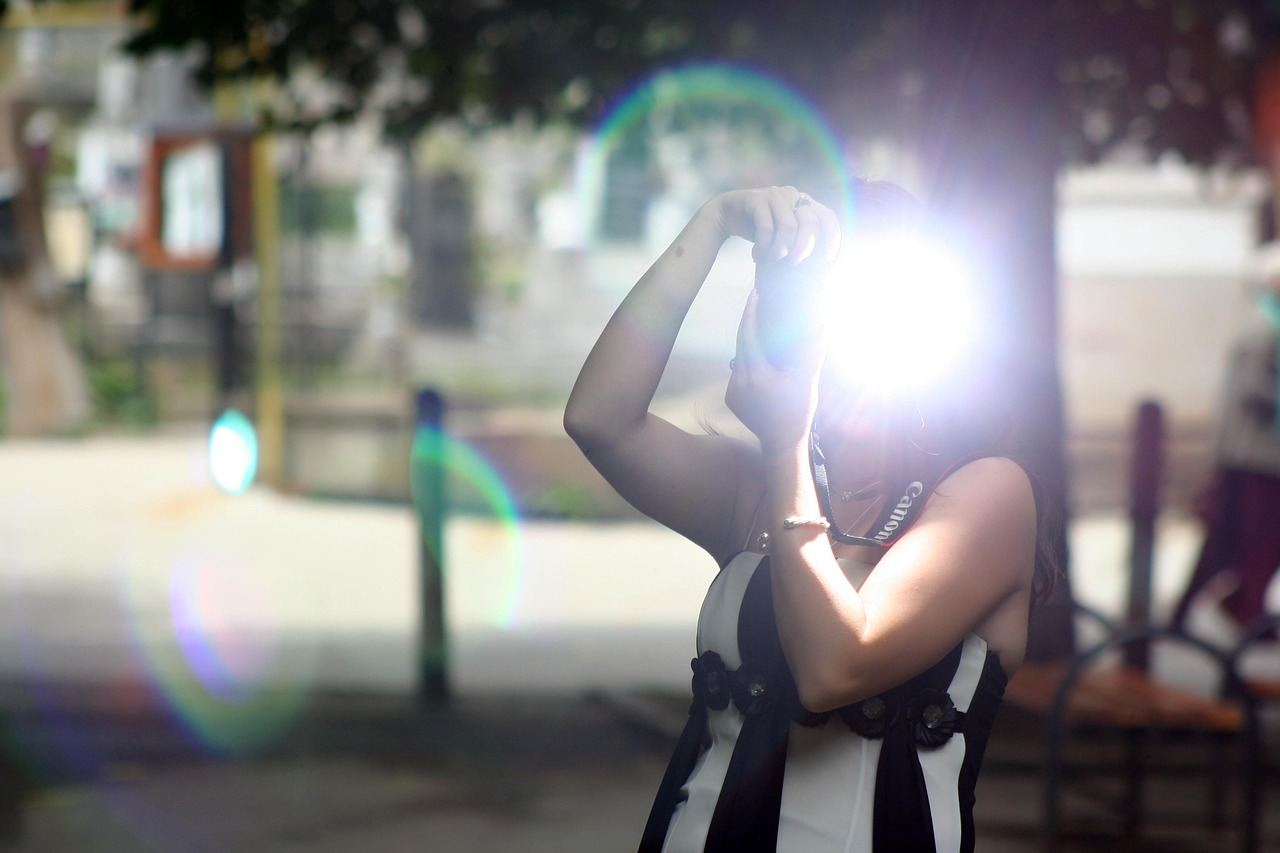
Documentary photography isn’t about dramatic events, but about capturing the overlooked moments of everyday life that define our world.
Learning documentary photography as a beginner involves honing your eye for authentic moments and understanding the storytelling power of real-life events. — no staging, no direction, no do-overs.
You observe, you wait, you shoot.
What separates it from street photography is intent: you're building a story over time, not collecting individual moments.
Documentary photography involves engaging in unscripted, observational photography of real-life moments, often through projects like a "Day in the Life," where you shadow a subject and capture candid activities as they unfold, using your camera to frame everyday actions and interactions without staging them.
This hobby creates a flow state by immersing you in the act of anticipating and capturing unpredictable moments, balancing the challenge of keen observation with the skill of quick framing, while offering incremental feedback through reviewing your photos, leading to a sense of accomplishment and deeper connections with subjects.
You think documentary photography means chasing war zones and big protests. That it's reserved for photojournalists with press passes, not you on a relaxed Tuesday. That mindset is keeping you from one of the most quietly powerful things you can do with a camera.
Ordinary life is worth preserving. Documentary photography captures what most people walk past:
Vivian Maier spent decades photographing Chicago street life on her lunch breaks. No assignment. No editor. She simply saw the world and captured moments she felt mattered.
Within five miles of where you're sitting, you have access to a world worth documenting. The essential question is this: what's the minimum gear you need to capture it?
Documentary photos look effortless. Perfect moments, natural strangers, ideal light.
Pick up a camera yourself and you freeze. It's not about technique. It's realizing you must approach people living their real lives.
At home, you're confident. You imagine easy shots, capturing truth. Camera feels like a pass to the world. In the field, you hesitate standing outside a market. You end up with blurry pavements and second-guessing your skills.
Notice the gap between your vision and your results. At first, it feels unbridgeable and frustrating.
But here's the secret: narrowing that gap is exactly where the magic lies. Next, let's dive into the mistakes trapping folks in frustration longer than necessary.
When to start: Morning
Duration: 1 hour 30 minutes
Cost to try: $0
Success criteria: If you capture 3 candid photos where a subject’s gesture, interaction, or setting clearly tells a story, do session 2.
Many new photographers aimlessly capture anything that moves. They hope meaning appears during editing.
Choose a specific focus. Limit yourself to one subject, location, or a 48-hour period. Aim for 20 cohesive frames.
Beginners often skip the setup phase, thinking it's unimportant. As a result, they miss key story elements.
Capture the setup. Arrive early, document the logistics. Shooting these moments provides essential context.
Trying to get close without real interaction leads to awkward photos. People sense when there's no relationship.
Focus on building trust first. Engage without your camera. Talk and listen, returning twice before capturing images.
Going for drama, beginners often cut out quieter frames. They think those moments are less important.
Balance your story. Include "boring" scenes to let viewers feel the tension build naturally.
Beginners often ignore captions, leaving them as an afterthought. Important story details vanish with time.
Jot down a note after every session. Capture names, places, and events quickly to retain necessary context.
Real venues for documentary photography are city streets, local markets, community centers, and public events.
No booking needed, just show up with your camera.
Mention to the group that you're aiming to tell a story rather than just capture images. This sets you apart from casual shooters and attracts seasoned photographers who are intentional about their work.
Typically, you'll find a mentor or critique partner, or at least someone to guide you to the best shoots.
Explore public spaces to capture spontaneous moments. No permissions or assignments required.
Ideal for those starting today without hassle. Any camera will do, even your phone.
Follow a single story, person, or community over a long period. Great for people seeking more than single-frame shots. The depth makes it special, and the commitment is key, not equipment.
Work with publications under strict guidelines and ethical standards. Perfect for those interested in news or social issues wanting a wide audience. Prepare to invest in a fast lens and durable camera body.
Focus on one person's story in their real surroundings. Ideal for those who find street photography too hectic but still want genuine stories.
Commit to capturing broad social conditions or systemic issues in long-form work. Think timeless photographers like Dorothea Lange. Best for passionate photographers deeply invested in a cause.
Readers who enjoy this often gravitate toward Architectural Photography next.
If the texture of this appeals to you, Technical Drawing is built on similar bones.
If you want a related angle, Basket Weaving is the natural next stop.
Pre-visualization with environmental awareness is the game-changer. It's not about finding the right moment, it's about creating it.
The biggest hurdle is shooting scenes you haven't learned to read yet.
When you walk into a space, note the flow. Identify where light falls and where people naturally congregate.
Position yourself so the moment comes to you.
Understand the space and stop chasing. Anticipate instead. Your keeper rate rises because you stand in the right spot.
The camera becomes the last step, not the first instinct.
Recognize patterns over time and naturally adapt them to new spaces.
Commit to 8 sessions over 30 days – roughly twice a week.
If you kept finding reasons to go out early – before the session even officially started – that's the signal.
It means you're not just tolerating the process. You're already thinking in stories, and this hobby will compound fast for you. Start looking for a project with a defined subject.
If you showed up every time but felt nothing either way, that's useful data.
Indifference after 8 sessions usually means the subject matter wasn't right, not the medium. Try one more set – same structure, different environment – before writing it off.
If being around strangers with a camera felt genuinely wrong, not just uncomfortable but wrong, take that seriously.
Discomfort is normal. Dread is data. Documentary photography puts you in proximity to real people and real situations – if that felt like an intrusion every single time, the hobby is working against your actual wiring.
You're walking through your day and mentally framing things – a face on the bus, a shadow across a market stall, the way two people sit without talking.
You're doing it without a camera in hand. That involuntary noticing is the actual prerequisite for this hobby – and most people either have it or they don't.
For ideas that take five minutes instead of five weeks, see things to do when you're bored.
You don't need expensive gear to begin—a smartphone or entry-level DSLR/mirrorless camera with a standard lens is sufficient to capture compelling stories. As you develop your skills, you can invest in better cameras and lenses, but the most important tool is learning to see narratively and connect authentically with your subjects.
Documentary photography focuses on telling in-depth stories about specific communities, social issues, or human experiences over time, while photojournalism covers news events as they happen. Both are fact-based, but documentary work typically involves longer-term projects and deeper relationships with subjects.
You can start capturing meaningful moments within weeks, but developing a distinctive voice and strong storytelling ability typically takes 1–2 years of consistent practice and shooting. Mastering the technical and ethical dimensions of the craft is an ongoing journey that experienced photographers continue throughout their careers.
Yes—obtaining informed consent from your subjects is both an ethical requirement and often a legal one, depending on location and context. Building trust with your subjects and being transparent about how images will be used is fundamental to responsible documentary photography.
Powerful documentary images reveal authentic emotion, context, and human truth—they show rather than tell, and compel viewers to feel something about the story. This comes from being present, patient, building rapport with subjects, and understanding light, composition, and the decisive moment.
You can begin with just a smartphone, making the barrier to entry nearly free. If you want to invest in dedicated equipment, expect $300–$800 for a used entry-level camera and lens, though serious practitioners often spend $1,500+ as their skills and projects demand higher-quality tools.