BoredomBusted — Find Your Next Favorite Thing To Do
Discover hobbies, activities, places, and ideas that spark joy. Whether you're looking for something creative, active, social, or relaxing, BoredomBusted helps you find your next favorite thing to do.
Browse our hobby guides, things-to-do collections, and place ideas to never be bored again.
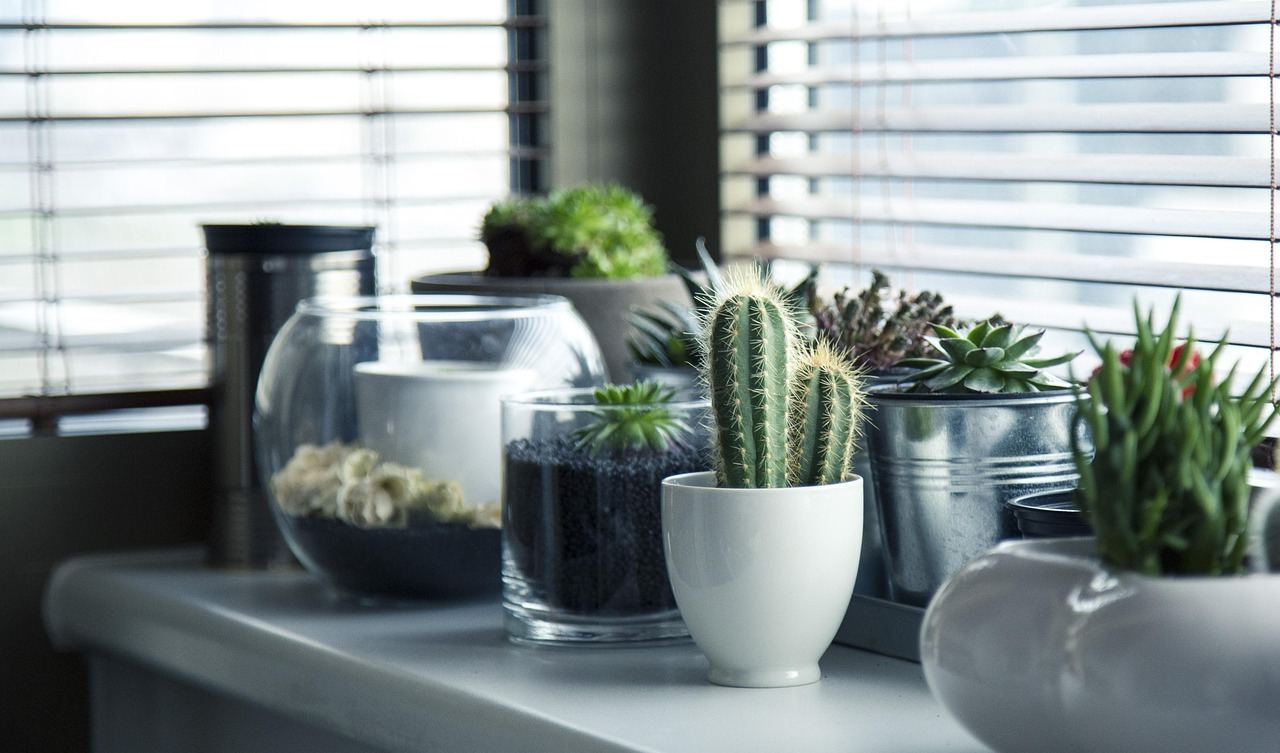
Home decor styling is more about subtracting distractions than adding new items — often, too many strong elements clash and create chaos.
Learning home decor styling as a beginner revolves around understanding how to arrange furniture, objects, and colors to make a room feel intentional.
You're refining what's already there. The goal is to communicate a mood or story without building anything new.
No license or big renovation budget needed; just a keen eye and the willingness to keep tweaking until it feels right.
Home Decor Styling involves selecting, arranging, and color-coordinating existing decor elements within your home to create aesthetically pleasing and functional spaces. Practitioners assess spatial balance, utilize design principles, and experiment with different layouts and textures to enhance their environment.
This hobby fosters a flow state by engaging your focus on arranging elements, allowing for creative expression and incremental feedback as you refine your style. The process of making deliberate design choices leads to a sense of accomplishment as your space transforms into a personalized reflection of your taste.
You think this is about buying nice things and arranging them. Grab a color palette, pick some throw pillows from the store, and you're done.
That assumption is why most spaces feel 'almost right' but never quite land.
Styling isn't decorating – it's editing. Every object you choose to keep is a decision about the room's silent conversation.
Imagine a living room packed with a sectional, gallery wall, patterned rug, and bold curtains. It's not lacking style – it's overwhelmed by competing elements.
Remove just one piece, and the entire room breathes. This isn't random luck.
This is compositional thinking, like how a photographer frames a shot to tell a story.
You're already considering what to shift in your living room. That thought is spot on.
The next section will guide you on how to start without moving anything yet.
Watching a styling video makes it look so easy. Shift a lamp, move a vase, and like magic, the room transforms.
Your first attempt won't be so smooth. You'll find yourself standing in the room, a throw pillow in hand, overwhelmed by decisions.
Styling is a process of trial and error, not instant perfection. You will rearrange a corner, feel unsatisfied, and try again. It might seem frustrating, but this is how your visual intuition grows.
Rely on what you have initially. Strip everything off one surface and style it with items you already own. Skip the impulse buys. If you can't create a look you love with what's on hand, adding more won't magically fix it. This limitation will teach you more than any tutorial ever could.
Next, we'll dig into the mistakes that can keep you stuck longer than necessary.
When to start: Morning
Duration: 1 hour
Cost to try: $15
Success criteria: If you arrange 3 decor items into a balanced vignette, measure the space, and take a photo you’d reuse, do session 2.
Grabbing random pieces you love is exciting. But without a color palette, your room can feel busy instead of curated.
Choose three colors first. Pick a dominant, a secondary, and an accent color. Stick to these when shopping.
Beginners often hang art too high. The wall seems like a reference point, but your furniture should anchor your art placement.
Hang art so its center is 57–60 inches from the floor. Alternatively, hang pieces 6–8 inches above your sofa's back.
One overhead light can flatten a space and remove warmth. Layering lights can transform how cozy and dynamic the room feels.
Use multiple levels of light. Include overhead, table, and floor lamps for a well-lit room.
When furniture matches too well, it feels stale. A perfectly matched room lacks interest and personality.
Mix in vintage or secondhand pieces. This brings character and distinction to rooms.
Picking rugs by price rather than room size is a common misstep. Undersized rugs make even the nicest spaces feel cheap.
Get a rug large enough to fit under all your furniture's front legs. This anchors the space and ties everything together.
True styling develops beyond your home. Engaging with others speeds up your learning dramatically.
Your first step is to use home studios or co-working creative spaces. Interior design schools might also offer styling workshops that enhance your skills quickly.
When attending, start with this line: "I'm new to styling and mostly self-taught – I'd love feedback on what I'm missing." It leads to honest critiques, which are essential for improvement.
Maximalism is about layering up with more pattern, more color, and objects with meaning.
A knack for intentional arrangement is essential. Ideal for showing off possessions you love without storing them away.
Minimalist or Scandinavian styling is all about restraint. Every item must earn its place.
Great for beginners with a budget, but cheap furniture will stand out without other items to distract.
Thrift-flip styling involves transforming secondhand finds into a cohesive look.
Perfect if the hunt excites you — think flea markets, estate sales, and Facebook Marketplace.
Biophilic design incorporates natural materials, plants, light, and organic shapes.
Plants require real care — the true cost if you want a green sanctuary.
Room-by-room theming allows bold concepts, like a moody library or a Japanese-inspired bedroom, without a full-home overhaul.
Best for those wanting a single, satisfying project before going bigger.
Sketching lives in the same world — different mechanics, similar appeal.
Another variant that pulls from the same roots is Pencil Drawing.
Readers who enjoy this often gravitate toward Etching next.
Understanding visual weight shifts your perspective on design. Most beginners chase items like the perfect throw pillow or the right lamp. The room still feels off because isolated objects aren't the root issue.
Master the art of seeing balance and imbalance. Every object in a room has a visual mass. Your eye constantly evaluates whether that mass feels harmonious or chaotic.
A dark velvet sofa does more than just weigh the room down. It pulls the eye down and left. Other elements either counteract this or exacerbate it. Without sensing this dynamic, you're just endlessly rearranging.
Recognizing how everything interacts lets you strategically arrange instead of randomly buying. Rooms that seemed cluttered now appear intentional.
Without this awareness, you won't solve the problem. You'll keep adjusting items and miss why a room feels off. It's about distribution, not the quantity of objects.
If you can't stop rearranging, the hobby has hooked you. It's more than just moving a lamp; it's about the evolving space. Next step: create a style reference folder and focus on one room as a dedicated project.
Finishing all six sessions with a neutral feeling isn't uncommon. You might be working on areas that don't matter to you. Before stepping away, try styling a room you spend most of your time in.
Feeling friction each time signals resistance, not challenge. If every session felt like a chore, it's a clear sign this isn't for you. Some thrive with spatial exercises; others don't. Let that clarity guide your path.
Taking screenshots of rooms without a clear reason means something has sparked your interest. This visual collecting is instinctual and the essence of home decor styling.
If home decor styling feels like too much to commit to right now, browse what to do when you're bored for lower-stakes ideas.
You can start with minimal investment by styling what you already own—rearranging furniture, swapping décor between rooms, or thrifting affordable pieces. As you progress, you can gradually invest in higher-quality items based on your budget and design vision, making it accessible at any price point.
No, you don't need any prior experience. Home decor styling is a skill you develop by studying spaces, learning basic design principles like color theory and balance, and practicing on your own rooms. Many beginners start by gathering inspiration from social media and interior design books.
A simple refresh can take a few hours, while a complete redesign typically takes 1–2 days depending on the room size and scope. The timeline depends on whether you're rearranging existing items or shopping for new pieces.
Start by studying color palettes, understanding furniture arrangement principles, and observing spaces you find appealing. Practice by creating mood boards, taking photos of your current space, and experimenting with small changes before committing to larger investments.
Absolutely. Many effective styling techniques cost nothing—rearranging furniture, decluttering, and using natural light strategically can transform a space. You can also shop secondhand, DIY accent pieces, or swap items with friends to refresh your décor affordably.
You'll develop an eye for proportion and balance, learn to apply color theory in practical settings, and improve your spatial reasoning. These skills transfer beyond home styling to fashion, event planning, and any field requiring visual composition.