BoredomBusted — Find Your Next Favorite Thing To Do
Discover hobbies, activities, places, and ideas that spark joy. Whether you're looking for something creative, active, social, or relaxing, BoredomBusted helps you find your next favorite thing to do.
Browse our hobby guides, things-to-do collections, and place ideas to never be bored again.
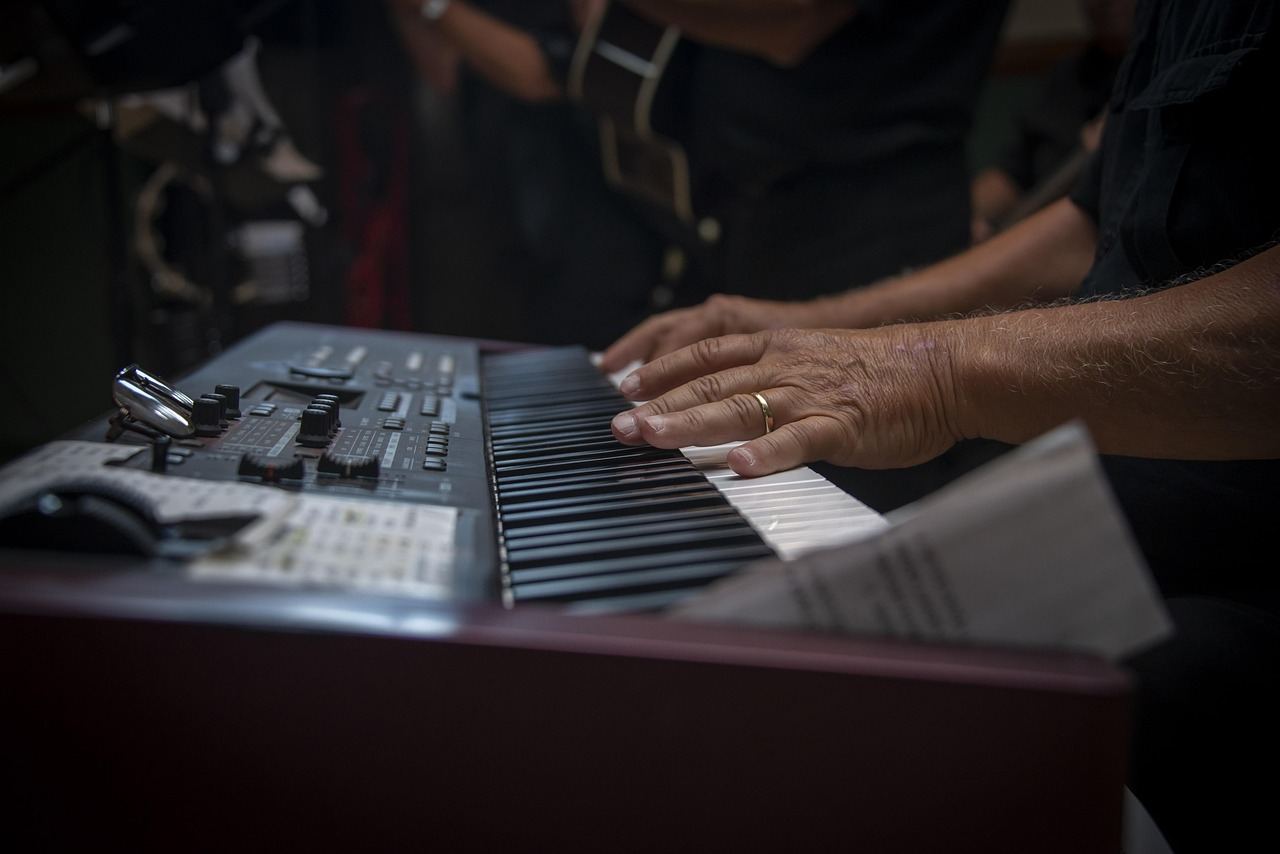
Jazz piano isn't just for sheet music pros — beginners can improvise meaningful music in weeks instead of years, transforming their musical journey.
Learning jazz piano as a beginner is an exhilarating journey into the world of improvisation, where you weave chords and rhythms together without a script. It's the freedom and challenge of real-time creation.
Forget relying on sheet music; the piano player creates the entire landscape — melody, harmony, and rhythm from scratch. Every performance is unique.
In jazz piano, you practice for 20-60 minutes daily, focusing on drills for scales, chords, and voicings, reading lead sheets, and improvising solos while cycling through different technical elements and key rotations to build mastery and engagement.
Jazz piano fosters a flow state through escalating technical challenges, offering immediate auditory feedback that validates progress, while creative expression and novelty from improvisation keep the experience engaging, leading to a sense of accomplishment as you master complex skills.
You think jazz piano is only for those born with a mastery of sheet music. You picture smoky clubs, bebop at impossible speeds, musicians deep in theory.
This assumption is blocking you from even trying.
Jazz develops your ear to hear relationships between notes, quickly building musical intuition.
Jazz rules are guides to what sounds good, so you're improvising in week three, not year three.
Learn four chord shapes and sound genuine immediately – jazz harmony is modular.
A pianist who spent years on classical pieces described starting jazz as "finally having a conversation instead of reciting a speech." She wasn't starting over.
She was using everything she knew but differently – and joined her first jam session within two months.
The reframe isn't that jazz is easy.
The path in is shorter than you think – and the next section is exactly that path.
Watching someone play jazz piano looks like conversation. Two hands saying different things, both making sense.
Trying it yourself is different. Imagine juggling two conversations on separate phones, both in languages you don't speak yet.
Before trying it looked effortless. Hands doing different things, music just flowing. After trying, the left hand feels like a separate issue. Every move it makes leads to the right hand forgetting everything. What comes out sounds like practice, not jazz. And that's exactly right.
Week one is about a ii-V-I progression in one key. Slow and stubborn, with both hands struggling. The second week, something changes. The left hand shell voicings start to feel natural. This is the first real hint of jazz in all the noise.
Week three involves improvising over a backing track. Four notes in, you might dislike them all. But this teaches you more than any video ever can about your style and preferences.
Week four brings a breakthrough. One phrase lands perfectly, in timing and feel. Suddenly, you understand why people become obsessed with jazz piano.
Consistency with the left hand is crucial. Start every session with it. Beginners often see it as secondary, but jazz piano demands it take the lead. It holds the harmony, grounding the right hand's exploration.
It might feel unnatural. Even boring, at first. As if you're barely playing. Yet, this sets the stage for genuine expression down the line. The left hand's automaticity frees your right hand to convey meaning.
Next up, we'll talk about common mistakes that trap players in frustration longer than necessary.
When to start: Morning
Duration: 1 hour
Cost to try: $0
Success criteria: If you can play the tune slowly, improvise 4 bars from its chords, and note 2 spots that need work, do session 2.
Classical piano often uses all five fingers, but jazz loves minimalism.
Opt for rootless voicings using just two or three notes, typically the 3rd and 7th. Let your pinky rest.
Every jazz standard feels new to you, but they share core patterns.
Master the ii-V-I progression in every key first. This makes each new song like a familiar map.
If you stick to C major over a Cmaj7 chord, your solos sound rigid.
Target the chord's 3rd or 7th as your landing notes. Let other notes become the journey within the piece.
Books won't teach you jazz vocabulary. You need to hear it.
Choose a pianist like Red Garland or Oscar Peterson, and transcribe eight bars by ear before more exercises.
Beginners often neglect their left hand in jazz, making music sound flat.
Practice the left hand alone. Change rhythms and syncopations until it becomes a memorable voice.
Jazz piano often starts at home—just you, a keyboard, and headphones.
When you're ready to jam with others, check out jazz clubs, music schools, and community centers. These places often host open mic or jam session nights.
Facebook Events is your secret weapon. Search for "jazz jam session open to beginners" in your city to find those low-key, weekly gatherings you might not see advertised elsewhere.
Check the Jazz Education Network (JEN) directory at jazzednet.org for educators and student ensembles in your region.
Meetup.com can also be a goldmine. Look for "jazz piano" or "jazz musicians" groups nearby.
Community music schools are often overlooked, but calling them directly about ensemble nights or student jams can lead to great finds.
Introduce yourself as a beginner. Hosts usually appreciate it and will set you up with manageable parts.
While no single organization oversees jazz piano, JEN focuses on education, offering a sense of community and resources.
Stride is all about athleticism. Your left hand jumps between bass notes and chords while your right hand plays the melody. It's the foundation of classic jazz, making everything else easier to learn. Perfect for players who want deep roots in jazz history before branching out.
Bebop is about speed and complexity. The harmonic vocabulary is dense, and the tempos are unforgiving. Intermediate players with basic jazz skills will find this a real challenge.
Blues-Based Jazz is the intersection of jazz and blues. The chord structures are simpler, and the phrasing is more intuitive. New players who want early wins should start here.
Modal jazz is about spaciousness. It strips out busy chord changes and focuses on scale exploration. Great for players overwhelmed by bebop who still seek harmonic depth.
Latin Jazz Piano layers Cuban and Brazilian rhythms over jazz harmony. Your left hand gets a workout with montuno patterns. Ideal for players with jazz basics wanting to add complexity.
A close neighbor worth considering: Harmonica.
A close neighbor worth considering: Acoustic Guitar.
Jazz Piano hinges on one crucial skill: voice leading.
Most beginners spend months learning chord shapes and scales, thinking they lack vocabulary. But that isn't the issue.
Voice leading is about minimizing movement between chords. Shift notes only slightly for smoother transitions.
Without voice leading, your chord changes feel abrupt and disconnected.Smaller note movements let the music breathe, creating a natural flow.
Your solos become interwoven with the harmony rather than detached from it. This gives you that true jazz sound.
Twelve sessions over 30 days. Three times per week, roughly every other day. This pace helps your hands and ears get repetition.
If you're sitting down early just to noodle, that's not enthusiasm. It's fit. Start looking for a teacher because you're ready to build something real.
Showing up every time but feeling no pull back provides useful data. Jazz piano rewards those who obsess over small problems. Indifference at week four usually doesn't turn into passion by week twelve.
If you dreaded every session – not just nerves or frustration but actual resistance – trust that signal. Discomfort is normal; dread is something else entirely and it doesn't lie.
You're watching a pianist's left hand in a coffee shop, focused on the voicings, not the melody. That's your subconscious telling you something important.
Lack of access to a real piano or weighted 88-key keyboard is a structural wall. Unweighted keys can teach your hands the wrong technique.
Chronic repetitive strain injuries aren't minor obstacles. Jazz voicings require fine motor precision, and forcing it can cause real damage.
If your schedule can't handle three short weekly sessions, the skill won't compound. Jazz piano builds on consistent practice.
If jazz piano doesn't feel like the right fit, our hobbies list has plenty of other directions to try.
If nothing here clicks, our guide to what to do when bored covers shorter, lower-commitment options.
Most beginners can play basic jazz standards after 6–12 months of consistent practice (3–5 hours per week), though developing true improvisational skill typically requires 2–3 years of dedicated study. Progress depends heavily on your prior musical experience and practice quality rather than total time invested.
You should understand basic music theory concepts like scales, chords, and intervals before diving into jazz. If you're completely new to music, expect 2–3 months of foundational study before jazz-specific concepts like chord progressions and voicing will click.
A quality beginner keyboard ranges from $300–$800, and basic jazz piano lessons run $30–$60 per hour. Many beginners also invest in jazz method books ($15–$50 each) and eventually lessons with a specialized jazz instructor, which cost more than classical teachers.
Jazz piano requires different skills rather than being inherently "harder" — classical training emphasizes reading sheet music precisely, while jazz emphasizes improvisation and listening. If you already play classical piano, jazz will feel like learning a new language on an instrument you know.
Self-teaching through online resources and books is possible but significantly slower and prone to developing bad habits in technique and jazz phrasing. Most serious students benefit from at least occasional guidance from a jazz-trained instructor to correct fundamentals and unlock improvisational thinking.
Start with jazz chord voicings (how to voice chords differently than classical), ii-V-I progressions (the foundation of jazz), and listening actively to jazz standards to train your ear. Improvisation comes naturally once you master these basics and understand chord-scale relationships.