BoredomBusted — Find Your Next Favorite Thing To Do
Discover hobbies, activities, places, and ideas that spark joy. Whether you're looking for something creative, active, social, or relaxing, BoredomBusted helps you find your next favorite thing to do.
Browse our hobby guides, things-to-do collections, and place ideas to never be bored again.
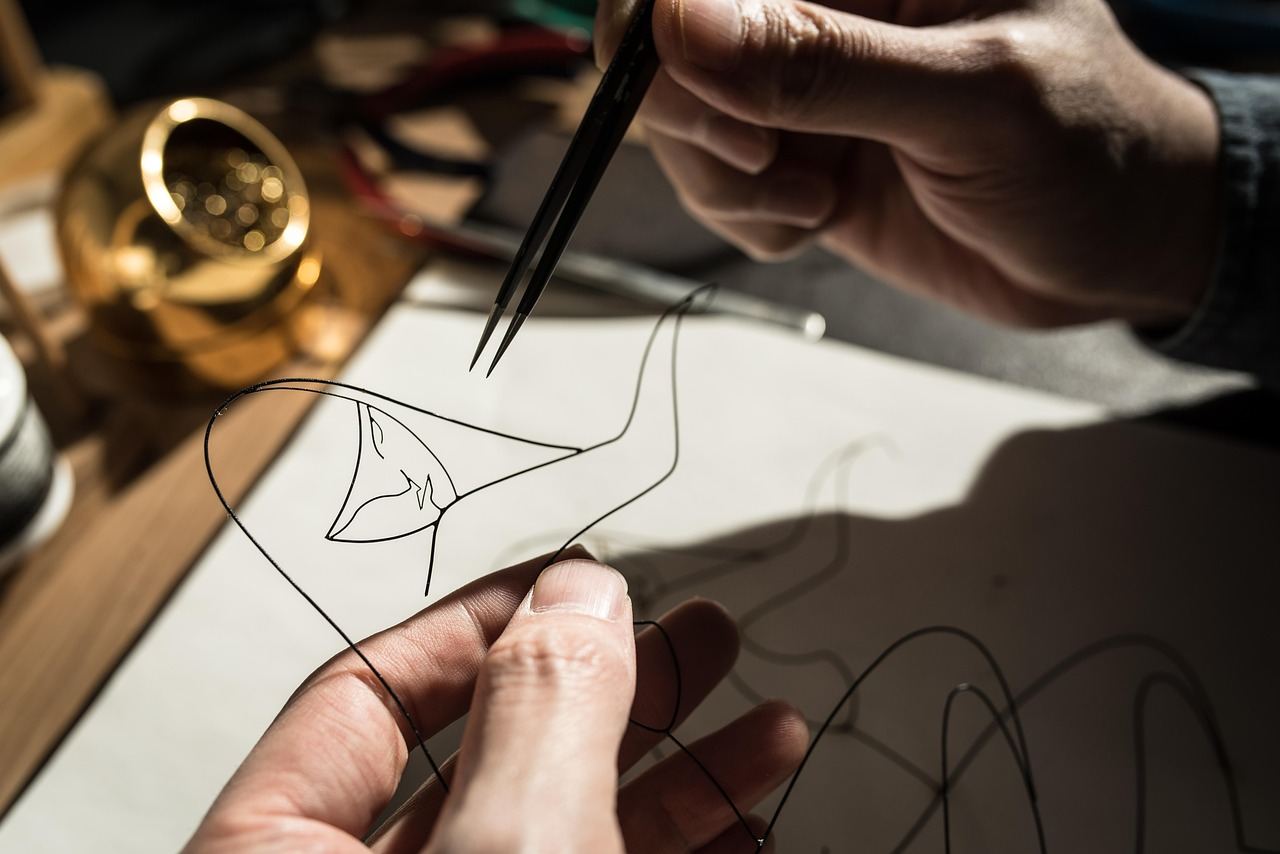
Jewelry making isn’t just stringing beads — it’s an intricate blend of metalworking, chemistry, and engineering where precision is key.
Getting started with jewelry making as a beginner opens up a world of creativity as you learn to craft unique wearable art from various materials.
Shape, cut, solder, or string materials together to create pieces that can be worn or sold.
Each project becomes a part of someone's style, demanding greater precision and finish than other crafts.
In jewelry making, hobbyists manipulate materials like wire, beads, and metal sheets to create wearable pieces such as earrings and bracelets, engaging in tasks like cutting, bending, wrapping, and assembling components at a dedicated workspace, often experimenting with designs through trial-and-error.
Jewelry making fosters a flow state through immersive, repetitive tasks, offering immediate skill feedback as hobbyists see tangible results from their efforts; this process satisfies creative expression and provides a sense of accomplishment, combating boredom effectively.
You think jewelry making is a grandma hobby. Beads on a string, maybe a friendship bracelet if you're feeling wild. That assumption is why most people miss what this craft actually is.
Jewelry making pulls from metalworking, chemistry, and structural engineering. You're not just decorating; you're building something that must hold together under real physical stress.
The design decisions are genuinely hard: weight distribution, material compatibility, how light hits a surface at different angles. Every piece is a small problem you have to solve before it's beautiful.
The skill ceiling is high — hobbyists who've been at this five years are still learning techniques used on $3,000 pieces.
Imagine a silversmith setting a stone for the first time. Spending an hour just on the bezel, the tiny metal collar gripping the gem.
Miss the height by a millimeter, stone wobbles. Apply the wrong pressure, stone cracks. That's not a craft project. That's precision work.
The tools, the materials, the first real decision you have to make — that's next. And it's more interesting than you'd expect.
Trying to make jewelry can feel like wrestling with wire. Your hands fumble with unfamiliar pliers, and the wire refuses to cooperate. The gap between frustration and smooth creation is real, but it's shorter than you think.
Ugly loops and crooked wraps show up early on. A piece that embarrasses you might end up on your desk. Many people assume they're just not 'crafty' after this. Hand control isn't innate — it's learned through repetition. Give it four weeks, and you'll notice improvement.
Buy more wire than you think you need in a cheap gauge like 24g copper. You'll burn through a lot just learning how to handle it. Craft-store copper is perfect for this — it's better to waste that than more expensive silver.
Next, let's explore the mistakes that keep folks tangled up in frustration longer than necessary.
When to start: Early morning
Duration: 1 hour
Cost to try: $15
Success criteria: If you finished without breaking the wire or losing any beads, do session 2.
Starter kits seem like a great deal. But many tools won't match how you actually work. Wire wrapping, for instance, needs different pliers than bead stringing.
Sample a project with minimal or borrowed tools first. Buy what you wish you had during that project.
24-gauge craft wire feels cooperative but quickly becomes a nightmare. It kinks, oxidizes, or snaps, and then self-blame kicks in.
Invest in dead-soft sterling or copper wire from a jewelry supplier. The small price difference saves huge frustration.
It's tempting to leave tiny wire tails thinking they're "close enough." But they scratch skin and scream amateur hour.
Use flush cutters and finish with a cup bur. Make sure every end feels smooth across your palm.
Visual estimates on chain length change everything. A half-inch off can ruin the drape, only noticeable when worn.
Always use a measuring tape. Measure and cut chain to written lengths, even for simple designs.
Gluing beads seems fast but fails long term. Beads spin or drop, and you've learned the wrong thing to boot.
Spend thirty minutes mastering a wrapped loop with scrap wire. It's a key technique for structural soundness in jewelry making.
Jewelry making often starts in your own space. A table corner can be enough.
For more advanced work, explore makerspaces and craft studios. These places offer bench time and shared tools that are too costly to own personally.
Ask for help when visiting a studio. Craft studio veterans often enjoy showing you the ropes and sharing their expertise for free.
With beading and stringing, you're putting together jewelry using pre-made beads, findings, and wire. Perfect for newcomers, you can finish pieces right from the start.
Wire wrapping lets you coil and bend wire around beads or stones to make jewelry without soldering. Ideal for hands-on creatives who want to work without expensive torch gear.
Metal smithing involves shaping metal sheets and wires through traditional techniques like sawing and soldering. This is not a weekend hobby. Expect a $300–$600+ investment in tools and workspace.
Resin casting involves pouring resin into molds, often capturing flowers or glitter. While easier than metalwork, the challenge is mastering the curing and demolding process.
Precious Metal Clay (PMC) allows you to sculpt silver or gold clay that fires into solid metal. Surprisingly straightforward if you prefer results without the complexity of a full smithing setup, but the clay isn't cheap.
Another variant that pulls from the same roots is Etching.
Readers who enjoy this often gravitate toward Pencil Drawing next.
Another variant that pulls from the same roots is Sketching.
The true secret to transforming homemade jewelry into professional work is mastering tension control. Understanding the right amount of tightness or looseness for each connection makes all the difference.
Each loop, wrap, and crimp has its ideal feel — not too rigid and not too loose. Train your hands to identify this.
Consistent tension ensures your pieces drape beautifully, clasps fit snug, and loops withstand gentle pressure. Without it, even the finest materials can look amateurish.It's what separates jewelry that moves naturally from pieces that seem lifeless.
Dedicate six sessions over 30 days, about one every five days. This rhythm helps you move past beginner awkwardness.
Finding reasons to return to your workbench signals real interest. You likely enjoy detail work and creating something tangible. The next step is to invest in essential tools and dive deeper into a technique like wire wrapping or resin casting.
Completing sessions without feeling much often means you started in the wrong place. If beading kits felt underwhelming, explore cold connections or metalwork. Dive into six more focused sessions with new methods before deciding.
Relief at the end of each session shows this may not be your fit. Some are put off by the precise, repetitive nature of jewelry making. Trust that feeling and don't push forward if it felt burdensome.
Finding yourself analyzing how strangers' jewelry is made hints at a genuine interest. This curiosity suggests a deeper connection with the craft.
For quicker fixes, see our roundup of things to do when you're bored.
You can begin with a basic starter kit for $50–$150, which includes essential tools like pliers, wire cutters, and beads. As you progress, you may invest in more specialized equipment like kilns or metalworking tools ($200–$1,000+), but you don't need everything upfront. Many hobbyists start small and expand their toolkit as they develop their style.
No prior experience is necessary—jewelry making is accessible to complete beginners. You'll learn foundational techniques like wire wrapping, beading, and basic metalwork through tutorials and practice. Most learners develop their skills gradually, and mistakes are part of the learning process.
A simple beaded bracelet or necklace can take 30 minutes to 2 hours depending on complexity. More intricate pieces like handcrafted rings or custom metalwork may take several hours to days. The timeframe grows shorter as you build experience and refine your techniques.
Jewelry making focuses on the hands-on construction and assembly of pieces using materials and techniques. Jewelry designing involves creating the concept and blueprint before making it, though many people do both. You can start by following existing patterns and eventually move into original design as you gain confidence.
Jewelry making has a gentle learning curve—basic techniques like stringing beads or simple wire wrapping are very approachable for beginners. More advanced skills like soldering or stone setting require patience and practice but are absolutely learnable. Most people create presentable pieces within their first few projects.
Yes, many hobby jewelers sell their work online through platforms like Etsy, at craft fairs, or through social media. Starting small with friends and family helps you build skills and confidence before scaling up. Some hobbyists eventually turn their craft into a side business or full-time venture.