BoredomBusted — Find Your Next Favorite Thing To Do
Discover hobbies, activities, places, and ideas that spark joy. Whether you're looking for something creative, active, social, or relaxing, BoredomBusted helps you find your next favorite thing to do.
Browse our hobby guides, things-to-do collections, and place ideas to never be bored again.
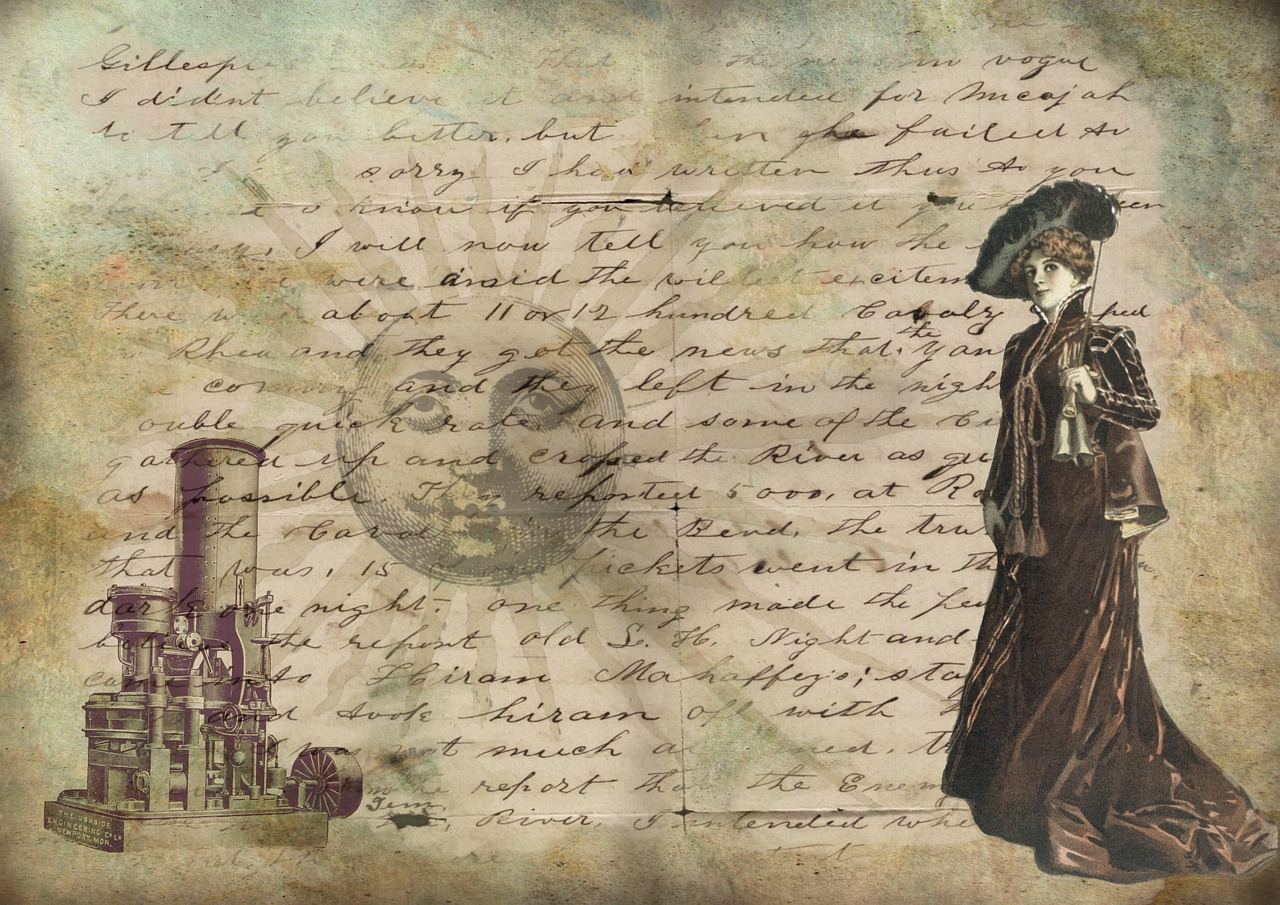
Junk journaling is more than crafting with scraps — it's a unique decision-making process that helps you reflect on what truly matters in your life.
For beginners interested in junk journaling, this creative hobby revolves around crafting unique handmade books using recycled materials and letting your imagination flow through writing and art. Junk journaling is the practice of building handmade books from recycled and repurposed materials – old envelopes, paper bags, tea-stained pages, vintage ephemera – then filling them with writing, collage, and mixed media.
You assemble the book itself, then decorate and journal inside it.
Unlike scrapbooking, there's no photo-first logic; unlike bullet journaling, there's no system to follow – just layered, tactile creativity with materials most people throw away.
In junk journaling, you engage in a hands-on process of cutting, pasting, and arranging various materials like ticket stubs, postcards, and drawings into a journal, creating a personalized scrapbook that reflects your memories and creativity.
Junk journaling reduces anxiety and improves mood through the repetitive actions of cutting and gluing, which activate the parasympathetic nervous system, fostering mindfulness and emotional insight as you express and document personal experiences without the pressure of perfectionism.
You think this is just scrapbooking but with messier materials. Maybe a Pinterest hobby for people who can't part with anything. That mindset blinds you to what's truly happening here.
Junk journaling is secretly a decision-making practice. Every page forces you to decide what matters, what fits, and what to let go of.
Think of a bus ticket from a trip you half-forgot. Add a coffee-stained napkin. Maybe a sentence ripped from a catalog. That page holds more meaning than any neat photo album entry ever did.
It's not about looking good. It's about creating something that's truly yours.
You've probably already considered what you'd toss in a box to start. The next section dives into what that box actually needs, and how you might be overthinking it.
Initially, junk journaling feels awkward. While others make it seem frictionless—torn edges landing perfectly—your own attempt feels chaotic.
Your first session won't look like the Instagram feeds. It's not about lacking skill—it's about lacking a collection of materials that truly reflect your taste.
Expect chaos in the beginning. Glue might go everywhere. Pieces of washi tape won't match. You'll second-guess your cuts. This is all part of warming up.
Resistance hits around page three or four. Too messy. Too random. Nothing looks right. You'll feel like quitting. But that mess? It's the early stage of finding your style. Trust the process and push through one more page.
Begin with materials you'd toss, not your best stuff. Using basic scraps—cereal boxes, old envelopes, damaged pages—prevents the pressure of perfection. Save your prized pieces for later when you know how to use them.
When to start: Early morning
Duration: 1 hour
Cost to try: $0
Success criteria: If you glue or tape 3 found items onto one page and add a 2-sentence note about why you chose them, do session 2.
You collect "good stuff" because using it feels final, like spending something unrecoverable.
Use three pieces right now and make something intentionally messy. Seeing imperfect materials combine sparks creativity.
New journalers match everything too carefully, thinking harmony is artistic safety.
Add one mismatched element. Tension, not harmony, makes things interesting.
Photographing and sharing each page can be paralyzing, raising your expectations unrealistically high.
Allow yourself three "ugly pages" per journal. Use them to play, practice, or just move without judgment.
Thin papers like book pages and napkins wrinkle when soaked. Beginners often blame the paper.
Apply glue to the journal page, not the paper. Press the piece on dry to fix warping issues.
A blank journal can be overwhelming, leading to unfinished projects before they truly start.
Begin with something already textured. Try a cereal box, a stitched envelope, or a notebook with pre-existing character.
Junk journaling often happens right at home – a kitchen table or a dedicated desk works perfectly.
Facebook Groups with your city or state name will have the most active communities. Skip Meetup; Facebook is the real hub for junk journal enthusiasts.
Explore "junk journal along" videos on YouTube. These creators often host live sessions with chat groups that plan local gatherings.
Check Etsy profiles of regional junk journal makers. They might run local workshops or direct you to those who do.
Find paper crafting guilds in your city through a quick Google search. Most guilds focusing on bookbinding, scrapbooking, or mixed media include junk journalers.
Junk journaling thrives on informal connection, not formal organizations. The Society of Bookbinders (primarily UK-based) touches on it through handmade book structures.
When you attend a gathering say: "I'm new and mostly have a pile of paper I don't know what to do with." It often leads to a materials tour, a stash of ephemera, and valuable demonstrations. Junk journalers love to share their surplus and welcome newcomers.
Think of a Smash Book as junk journaling, but faster. You just add items, skip composition worries, and move on.
Great for those prone to overthinking their layouts or anyone craving quick creative fun.
Art Journal Hybrids focus on painting, mark-making, and mixed media. Here, the ephemera complements the art rather than taking center stage.
Perfect for artists looking to incorporate ephemera into their visual work.
Build a journal inside a Traveler's Notebook, with slim, swappable inserts in a leather cover.
Ideal for people wanting a journaling habit that fits into everyday life.
Starter leather covers cost $30–$60.
Vintage / Ephemera-Only Journaling uses period-specific materials like antique book pages and postage.
Perfect for thrift store aficionados who love the hunt as much as the journal itself.
Digital Junk Journaling collects and arranges digital finds. Use apps like Procreate or Canva for creativity without clutter.
Best for those tight on space or hesitant to invest in supplies.
If you want a related angle, Reflective Journaling is the natural next stop.
Some of the same instincts show up in Morning Pages — worth a look if this clicked.
If this resonates, Gratitude Journaling explores a similar direction.
The mistake beginners make isn't their lack of materials. It's not about collecting more paper or tape. The real plateau is perceptual. Seeing relationships between scraps is the actual challenge.
Visual tension reading is the skill that matters. It's the knack for sensing whether a torn grocery bag pairs well with a vintage stamp or causes chaos.
It's not about matching. Instead, it's about knowing when contrasting elements earn their spot on a page.
Without tension reading, pages become a random collection of liked items. The problem is liking them individually, not collectively. When you can see the tension, scraps feel deliberate. "Random" starts to look intentional.
Pages that once confused you reveal a logic you can replicate. This skill makes creative decisions second nature.
Ready to shift your creative flow? Next, discover which tools help refine your newfound skill.
Thirty days. Eight sessions. That's your test.
Eight sessions gives you enough time to move past the novelty and hit the part where the habit either sticks or doesn't. With junk journaling, the shift usually happens somewhere around session five or six, when you stop staring at the page and start actually making decisions.
You want to come back – and you've already started hoarding packaging, old receipts, and magazine clippings "just in case." That's not clutter. That's your brain treating the hobby as real, which means it is. Start building a dedicated stash box and explore what else you can do with your growing collection.
You feel indifferent – you showed up, you made pages, nothing clicked. Ask whether you were working with materials you actually like. Junk journaling is unusually sensitive to your supplies – bad paper and ugly ephemera will tank the experience even for people who'd otherwise love this. One more month with better materials isn't quitting, it's troubleshooting.
You actively didn't want to be there – sessions felt like homework and the finished pages annoyed you. That's a real signal. Not everyone is wired for slow, tactile, open-ended making – and no amount of "giving it time" fixes a fundamental mismatch with ambiguity. Move on without guilt.
You keep tearing things out of magazines "to save" – but you don't journal yet. Or you're photographing textures, peeling labels off bottles, keeping the tissue paper from gift bags. That low-level collecting instinct is the hobby already running in the background. It's worth giving it an actual outlet.
For quicker fixes, see our roundup of things to do when you're bored.
Junk journaling is the practice of creating a personalized scrapbook or diary by assembling scraps of paper, old photographs, fabric, newspaper clippings, and other found objects into a cohesive book. It combines creativity and storytelling while celebrating the beauty of imperfection, with no rules about what materials you use or how your pages should look.
No prior artistic experience is required to start junk journaling. This hobby is intentionally forgiving and welcomes beginners—the aesthetic actually celebrates imperfection, messy layouts, and experimental approaches. Anyone can begin with basic supplies and learn techniques as they go.
Junk journaling is one of the most budget-friendly hobbies because it's built around using scrap and found materials you likely already have at home. You may spend $10–30 on basic supplies like glue, scissors, and perhaps some adhesive tape, but many beginners spend nothing by repurposing household items and paper scraps.
Basic supplies include glue or a glue stick, scissors, and some kind of binding method (thread, brads, or just layering). For materials, gather paper scraps, old books, newspapers, magazines, photographs, and any found objects like buttons or pressed flowers. The beauty is that you can use whatever you have on hand—there's no specific list of required materials.
A simple junk journal can be assembled in a few hours, while more elaborate versions may take days or weeks depending on your pace and complexity. There's no deadline—many people work on their journals gradually, adding pages and layers over time as inspiration strikes.
Yes, absolutely. Printed photographs, digital images you've printed out, and any magazine or book clippings work perfectly in junk journaling. Many journalers combine vintage found photos with personal printed images to create layered, meaningful pages.