BoredomBusted — Find Your Next Favorite Thing To Do
Discover hobbies, activities, places, and ideas that spark joy. Whether you're looking for something creative, active, social, or relaxing, BoredomBusted helps you find your next favorite thing to do.
Browse our hobby guides, things-to-do collections, and place ideas to never be bored again.
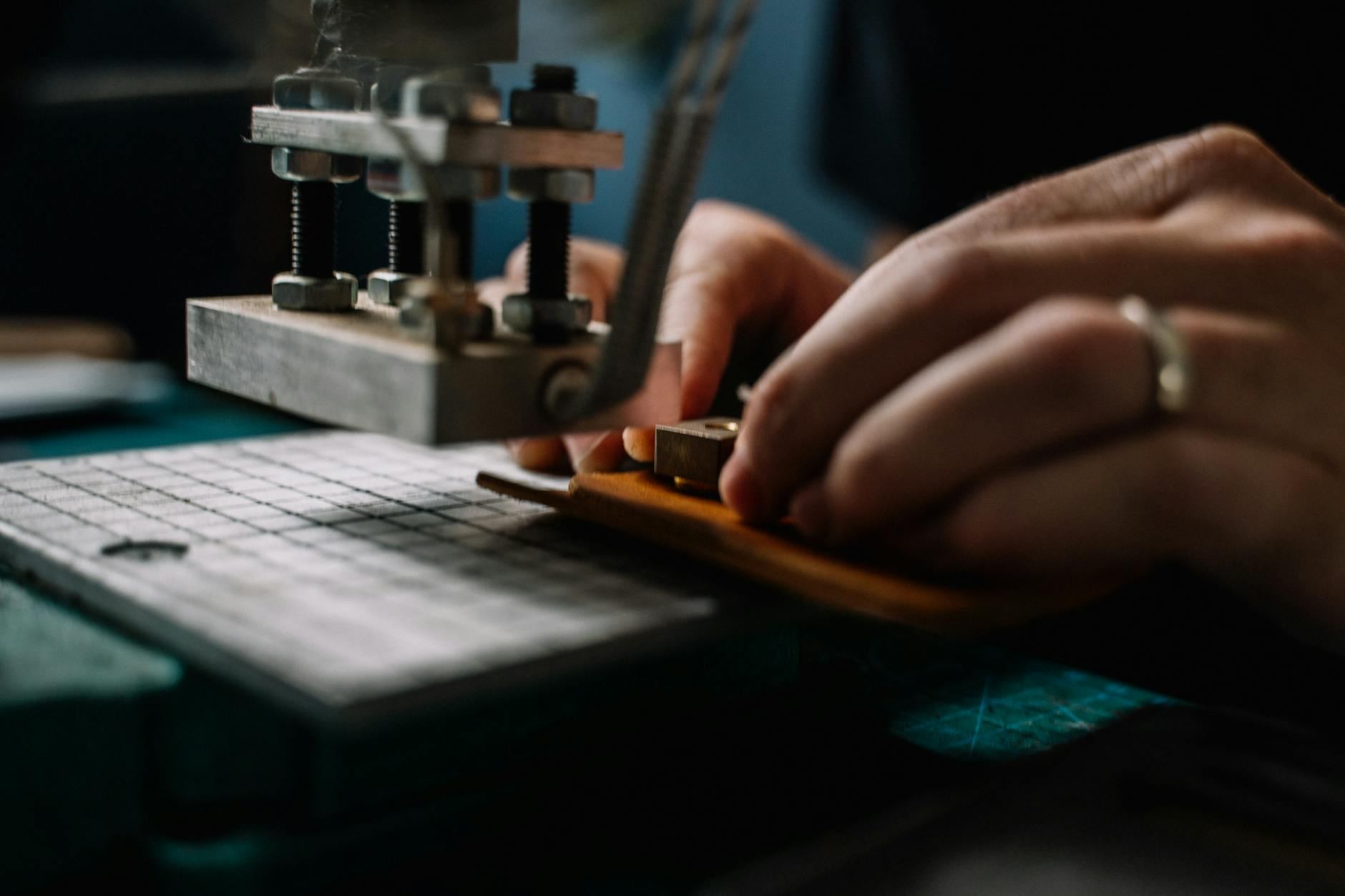
Leathercraft isn't just for the old and dusty; with minimal tools and a $30 leather piece, you can create functional items like wallets in a weekend.
Getting started with leathercraft as a beginner allows you to turn animal hide into beautiful, functional art pieces. You cut, shape, and finish leather to create stunning pieces worth holding onto.
The process starts with wet leather. You stamp or carve designs, letting it harden permanently as it dries.
Leather holds detail and gains character with age. This craft rewards patience and attention to detail.
In leathercraft, you engage in hands-on processes to transform raw leather into functional items by selecting, cutting, stitching, and finishing pieces with tools like knives, awls, and dyes. This involves precise actions such as punching holes, hand-stitching with waxed thread, and applying decorative techniques, all of which require focus and dexterity over extended periods.
Leathercraft fosters a flow state through immersive concentration on intricate tasks, creating immediate skill feedback via tactile responses that motivate ongoing practice. Completing durable, personalized items provides a sense of accomplishment, while the creative freedom to experiment with designs counters monotony and cultivates problem-solving skills.
You think leathercraft is for retirees in dusty workshops, tooling away at wallets with endless patience. Or you picture it as an expensive work, inaccessible until you're ready for a substantial investment.
That assumption hides one of the most rewarding hands-on skills you could try.
Imagine completing your first leather project and actually using it every day. Beginners can craft a belt or card holder that's genuinely practical. Despite the pushy retailers, the essential tools are just a handful of items – not the overwhelming array you might expect.
Leather forgives mistakes more than you'd think.
A miscut can be smoothed out. A crooked line can become a feature. It means almost nothing is beyond repair.
A beginner spent a weekend with $30 in leather and a simple saddle-stitch awl, crafting a bifold wallet from their kitchen table. It outlasted two wallets they'd bought. They didn't need talent or a workshop. Just enthusiasm and a couple of YouTube tutorials.
It's not about whether you can learn leathercraft. It's about deciding what your first project will be.
Saddle-stitching leather seems peaceful and fascinating on YouTube.
In reality, your hand might cramp around an awl you're holding incorrectly.This gap is real – and it's shorter than you think, but you have to experience it to bridge it.
Expect tools to look simple and leather to smell expensive.Expect nothing to behave as you imagine. First cuts will drift, the awl might skip, and thread may tangle. But the outcome is uniquely yours.
In the first week, cutting a straight line may turn crooked. Sanding to fix it turns it into a learning moment. The second week? Stitching tension starts feeling like it's under control. Consistency may still be an issue, but that's okay.
Week three brings a completed project – maybe a small keychain.Seeing every flaw is progress, not failure. Your eye is ahead of your hands, and that's just right.
By week four, you can explain your work to others with confidence and understanding.
Start with a piece of scrap veg-tan leather and skive it. This ten-minute process changes everything. Skiving involves thinning the leather's edge so pieces fold and join cleanly. Otherwise, seams will be stiff and challenging to stitch properly.
Expect rough starts, clumsy tool handling, and questionable stitching lines.It's usually a materials problem, not a skill issue. Practice with your materials brings success faster than innate talent.
When to start: Morning
Duration: 1.5 hours
Cost to try: $30
Success criteria: If you cut, punch, and saddle-stitch a 3x7-inch leather pouch with straight seams and evenly spaced edge holes, do session 2.
Leather choices can be confusing when you're starting out. Veg-tan and chrome-tan look similar on the shelf. Most beginners just grab what costs less or looks nice.
Choose veg-tan for carving and tooling, chrome-tan for soft goods like bags.
Freehand stitching looks great until it goes off the mark. You notice only after punching. And then, the damage is done.
Always use a stitching groover, pricking iron, and ruler for precise holes.
Letting one hand do all the work while the other just follows creates weak stitches. It may look fine now, but they'll come apart much sooner.
Pull both needles equally to maintain even tension on each stitch.
Feeling like the project is complete tempts you to skip edge finishing. This crucial step often gets rushed or ignored, making crafted items look unpolished.
Bevel before dyeing and burnish edges well to avoid a homemade look.
Using a regular kitchen knife leads to dragging, slipping, and torn edges. These happen because the dull blade requires too much pressure, disrupting clean cuts.
Opt for a fresh snap-off blade in a craft knife for every project.
Leathercraft can happen anywhere, from your kitchen table to specialized spaces. Maker spaces and craft studios provide essential tools and ventilation and a helpful community to catch mistakes early.
Some art supply stores hold weekend workshops. Community colleges also offer continuing-ed leatherwork classes, often with spots available.
When visiting a maker space, admit you're new to leathercraft. That confession often gets you a tool orientation and borrowing privileges. Plus, someone will guide your first cut to avoid costly mistakes.
This involves dampening veg-tan leather, then pressing or cutting designs into it. The most skill-intensive style, associated with traditional Western leatherwork, but
ideal if you're after a creative and artistic outlet.
Starter carving tools cost $30–60 and the complexity often surprises new crafters.
Skip the carving. Get to making wallets, belts, and bags with clean cuts and hand-stitching. This suits beginners perfectly: affordable tools, a quick progress loop, and immediate results.
Leather soaked until pliable, then molded and hardened into a permanent shape. Perfect for 3D functional objects, not just flat items.
Focus on edges, surfaces, and patinas. Crucial for setting apart good from great leather goods. This is for those who love the detailed, meditative side of crafting.
Laser cutters replace hand tools for sharp precision cuts and etching. Trade hand skill for speed and repeatability. Entry-level laser cutters cost $300–400.
Another variant that pulls from the same roots is Anime Drawing.
Soap Making lives in the same world — different mechanics, similar appeal.
If this resonates, Foley Artistry explores a similar direction.
Most beginners obsess over their tools – a better swivel knife, a pricier mallet, nicer leather. But the trouble isn't the tool. It's knowing how much moisture the leather needs before you start.
The one skill is mastering the feel and look of wet leather – understanding exactly when veg-tan leather reaches the perfect moisture before cutting, stamping, or tooling.
If it's too dry, your tooling tears the surface. Too wet, and impressions collapse and blur. The window for perfection is just 10–15 minutes. You must train your hands to catch it.
Feel the moisture level directly. Crisp edges and lasting depth in stamps come from timing, not tools. Blame your tools, but realize that timing is the real culprit. Without reading moisture, consistency stays out of reach – the problem was never about the hardware.
Give leathercraft six sessions over 30 days. That's about once or twice a week, perfect for finishing a small project and seeing if the steady rhythm captivates you or leaves you cold.
You find any excuse to keep going. The leather's texture, the needle's resistance, the clear progress. These details catch your eye in an addictive way. Get better tools. Start another project before completing the first.
You've completed the sessions but feel indifferent. This usually means you're drawn to the idea of creation, but the slow pace doesn't suit you. Ask if it's the making or the end product you want – they point to different paths.
You actively avoided the activity. Make no attempt to mend this – it's not an issue with your persistence. Some crafts just aren't your match. Move on without guilt.
You find yourself examining leather items for their construction. This low-level reverse-engineering signals you're already thinking like a creator instead of a consumer.
If leathercraft doesn't feel like the right fit, our hobbies list has plenty of other directions to try.
Looking for something lighter? Our boredom-busters guide is built for exactly that.
A basic starter kit with essential tools (cutting mat, knives, stamps, and dyes) typically costs $50–$150, while quality leather for your first projects runs $20–$60 per hide. As you progress, you may invest in specialized tools, but you can create meaningful pieces with just the fundamentals.
Leathercraft lets you create both functional and decorative items, including wallets, belts, bags, coasters, bookmarks, and journal covers. You can also make artistic pieces using techniques like tooling (embossing designs), dyeing, and hand-stitching to personalize each creation.
Leathercraft has a gentle learning curve—basic projects like simple wallets or coasters are accessible to complete beginners, but mastering techniques like intricate tooling and edge finishing takes practice. Most people can create usable pieces within their first few sessions.
Simple projects like coasters or bookmarks take 1–2 hours, while a basic wallet typically takes 3–5 hours for beginners. Complex bags or hand-tooled pieces with detailed designs can take 10+ hours depending on your skill level and the intricacy of the work.
At minimum, you need a cutting knife or rotary cutter, a cutting mat, edge bevelers, stamps or tooling sets, and dyes or stains. A stitching pony (to hold leather while sewing) and quality thread are also essential for creating properly constructed pieces.
Specialized leather suppliers like Tandy Leather, Springfield Leather, and local tanneries offer quality hides graded by thickness and type. Online retailers and craft stores also stock pre-cut leather pieces, making it easy to find the right material for your project.