BoredomBusted — Find Your Next Favorite Thing To Do
Discover hobbies, activities, places, and ideas that spark joy. Whether you're looking for something creative, active, social, or relaxing, BoredomBusted helps you find your next favorite thing to do.
Browse our hobby guides, things-to-do collections, and place ideas to never be bored again.
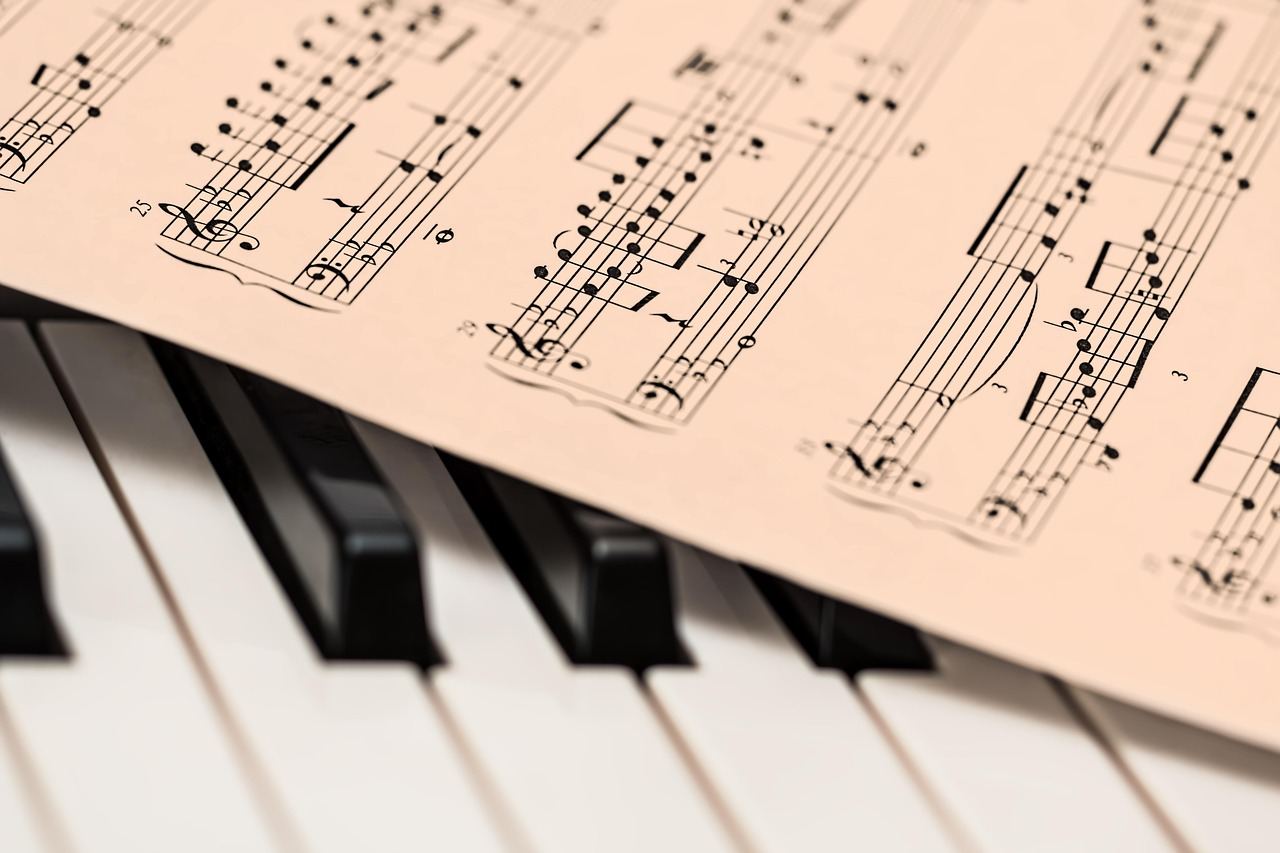
Most believe melody composition is pure inspiration — in reality, it's a skill built through deliberate decision-making over time, often from just a couple of notes.
Learning melody composition as a beginner focuses on understanding how to arrange notes into cohesive musical sequences that resonate.
You pick pitches, set the rhythm, and create shape. Listeners can follow along as you repeat, vary, or contrast these elements to build interest.
Melody composition isn't about production or lyrics. It's about focusing entirely on the graceful, independent melodic line.
In melody composition, hobbyists engage in iterative sessions of creating and refining musical phrases, often starting by listening to inspiring pieces, then sketching ideas rapidly, testing them on instruments or software, and developing them into full themes through techniques like phrase storming and reworking existing melodies.
Melody composition induces a flow state through rapid idea generation and focused practice, while skill feedback loops from immediate auditory playback foster motivation and a sense of accomplishment as hobbyists transform rough sketches into polished themes.
You think melody composition is a gift, something you either have or you don't. It seems like melodies magically appear, like sudden revelations in the shower. That assumption keeps most people from even trying.
Melody isn't a flash of inspiration — it's a series of decisions about tension and release. Each note is a choice, like solving a puzzle, and you can learn it just like any other skill.
Music isn't born fully-formed. Even famous songs usually start with a simple two or three-note idea. These pieces are then pulled apart, repeated, and transformed until they feel inevitable.
Paul McCartney's 'Yesterday' began in a dream but he was so sure it was not original that he spent weeks asking others if they'd heard it. What felt complete wasn't spontaneous—it was honed from nothing through the same iterative process you can practice too.
So, what does that process actually look like at the start? It's simpler than you think.
Creating your first melody is awkward, like being thrown into deep water without knowing how to swim. Each note you try feels random, untethered, and possibly wrong. Silence hangs between attempts, loud and daunting. Hitting backspace more than anything else, sure you're missing some musical gene.
As you struggle, you aren't getting worse — you're learning what patterns feel like. Wrong notes start getting names, and these missteps teach you more than the correct ones. By session two, those patterns don't feel random, they begin to make sense.
Around your third or fourth week, fragments of melody that could go somewhere emerge. You still won't know how to resolve them, but that uncomfortable open-endedness is a real sign of progress. You might even create a short loop you'd actually share. It works, even if you can't explain why.
This process feels like quitting before it clicks. Those frustrating restarts aren't a dead end, but a necessary part of developing your musical instincts. Before starting, learn about stepwise melodies. Avoid large jumps between notes in the beginning. Moving by small steps helps ground your ear.
When to start: Morning
Duration: 1 hour
Cost to try: $10
Success criteria: if you finished without a complete melody, do session 2.
Beginners love constant motion, so they dodge the tonic note. This makes melodies feel unresolved and like questions.
End your first phrase on the root to give it a sense of home. Your ear will quickly understand why this works.
Newcomers see chords as guidelines, matching every melody note to them so precisely it sounds dull.
Compose your melody without chords first. If you can hum it in the shower, you're on track.
Beginners love big, expressive leaps. They keep jumping octaves, leading to exhausting melodies.
Stick to a six-note range in your first eight bars. A constraint helps shape your melody and make it memorable.
Obsessed with pitch, beginners swap notes endlessly while ignoring rhythm, resulting in a mechanical feel.
Focus on your melody's rhythm by clapping or tapping it.
A rough phrase feels like failure, prompting beginners to throw everything out instead of isolating the problem.
Pinpoint the troublesome bar, keep the rest, and only rewrite that section.
Melody composition can take place anywhere you have access to a keyboard, guitar, or DAW. Whether in your bedroom, a home studio, a community music center, or a rented college practice room, you'll find possibilities.
Start with Meetup.com. Search for "songwriting circle [your city]" or "music composition group [your city]" and you'll find options in most metros and even mid-sized towns.
The Nashville Songwriters Association International (NSAI) is a great resource. Use their chapter finder at nashvillesongwriters.com to locate workshops they run across the US, beyond Tennessee.
For structured learning, check your local community college's continuing education catalog. Searching for "songwriting" or "music composition" often reveals inexpensive classes for beginners.
Seek out feedback on Discord. Post in r/songwriting or r/musictheory to find active servers. These often host weekly feedback sessions, providing notes on your melody within 48 hours.
Tell the group leader you're new and haven't completed a melody yet. Sharing this upfront usually gets you a buddy, a prompt, and a deadline.
Consider joining the Songwriters Guild of America (SGA). They offer workshops, contract resources, and member critiques that are hard to replace for newcomers.
You write for one instrument like piano or guitar. Hear your ideas directly, no tech needed. Ideal for turning noodling into real pieces if you already play something.
Compose lyrics and melody together. Each component shapes the other. Great for storytellers or those who hum tunes in the shower.
Use Logic, GarageBand, or Ableton with MIDI and virtual instruments. Perfect for non-musicians who want to skip learning an instrument. GarageBand is free; Logic is $200.
Compose music timed to footage or emotional scenes. Visuals guide your music choices. Ideal if you love reimagining movie scores.
Follow rules from Western composition: voice leading, interval restrictions. Great for understanding why melodies work beyond just feeling them.
Some of the same instincts show up in Visualization Practice — worth a look if this clicked.
If the texture of this appeals to you, Crochet is built on similar bones.
Most beginners focus on finding the "right" notes, spending countless hours tweaking pitches. But the notes aren't the issue. It's all about the rhythm of the melody.
Rhythmic phrasing is the real skill that elevates your melodies. This means placing notes with intent, allowing the melody to breathe and land. It's the difference between a lively melody and one that just fills space.
Mastering this skill gives your melodies momentum and a reason to resolve. Without it, even the most beautiful notes lack cohesion, feeling like a string of words without punctuation.
Understanding rhythm transforms every note choice. Next up, we'll dive into why melody alone can't sustain a song.
Commit to twelve sessions over thirty days. Sit down three times a week for 30–45 minutes each time to see if this hobby is really for you.
If you find yourself constantly revisiting the same unfinished idea or humming tunes in the shower, you're in. Your brain sees composition as a puzzle to solve. Start with basic music theory to give names to what you're already exploring.
When you go through the motions without feeling anything, you're in limbo. This might mean you're stuck in exercises rather than creating. Experiment by composing music that could narrate a memory. If that still leaves you cold, maybe it's time to call it quits.
Dreading sessions is a clear signal to stop – not because you're nervous, but because the experience feels punishing. Composition should feel like patience, not a burden. If that's not happening, it's probably not for you.
If listening to a song makes you wonder about the melody's journey, or you mentally tweak outros as if playing with a puzzle, your curiosity shows potential. That instinct to probe a melody's path signals you're naturally inclined toward composition.
Looking for something lighter? Our boredom-busters guide is built for exactly that.
No, you can start composing melodies with just basic listening skills and experimentation. However, learning fundamental music theory concepts like scales, intervals, and chord progressions will accelerate your progress and help you compose with more intention and sophistication.
At minimum, you need a way to record or notate your ideas—this can be as simple as a smartphone voice recorder or free software like MuseScore. Many composers start with just an instrument (piano, guitar, or any melodic instrument) or use free Digital Audio Workstations (DAWs) like GarageBand or Audacity.
You can create a simple, complete melody in 15–30 minutes once you understand basic structure. However, crafting a polished, emotionally compelling melody typically takes hours of refinement across days or weeks as you develop your compositional ear and instincts.
Not necessarily—many successful self-taught composers rely on intuition and ear training rather than formal background. Your learning curve will be steeper initially, but consistent practice with listening, humming, and experimentation can build composing skills just as effectively as formal training.
Melody composition focuses on crafting the musical line itself—the notes, phrasing, and emotional arc—while songwriting typically involves combining melody with lyrics, harmony, and full arrangement. You can compose beautiful melodies independently without writing lyrics or full songs.
You can start completely free using open-source software and tools already on your device. If you want to invest, a basic MIDI keyboard ($50–150) and professional DAW software ($200–400) enhance your workflow, but they're optional for beginners.