BoredomBusted — Find Your Next Favorite Thing To Do
Discover hobbies, activities, places, and ideas that spark joy. Whether you're looking for something creative, active, social, or relaxing, BoredomBusted helps you find your next favorite thing to do.
Browse our hobby guides, things-to-do collections, and place ideas to never be bored again.
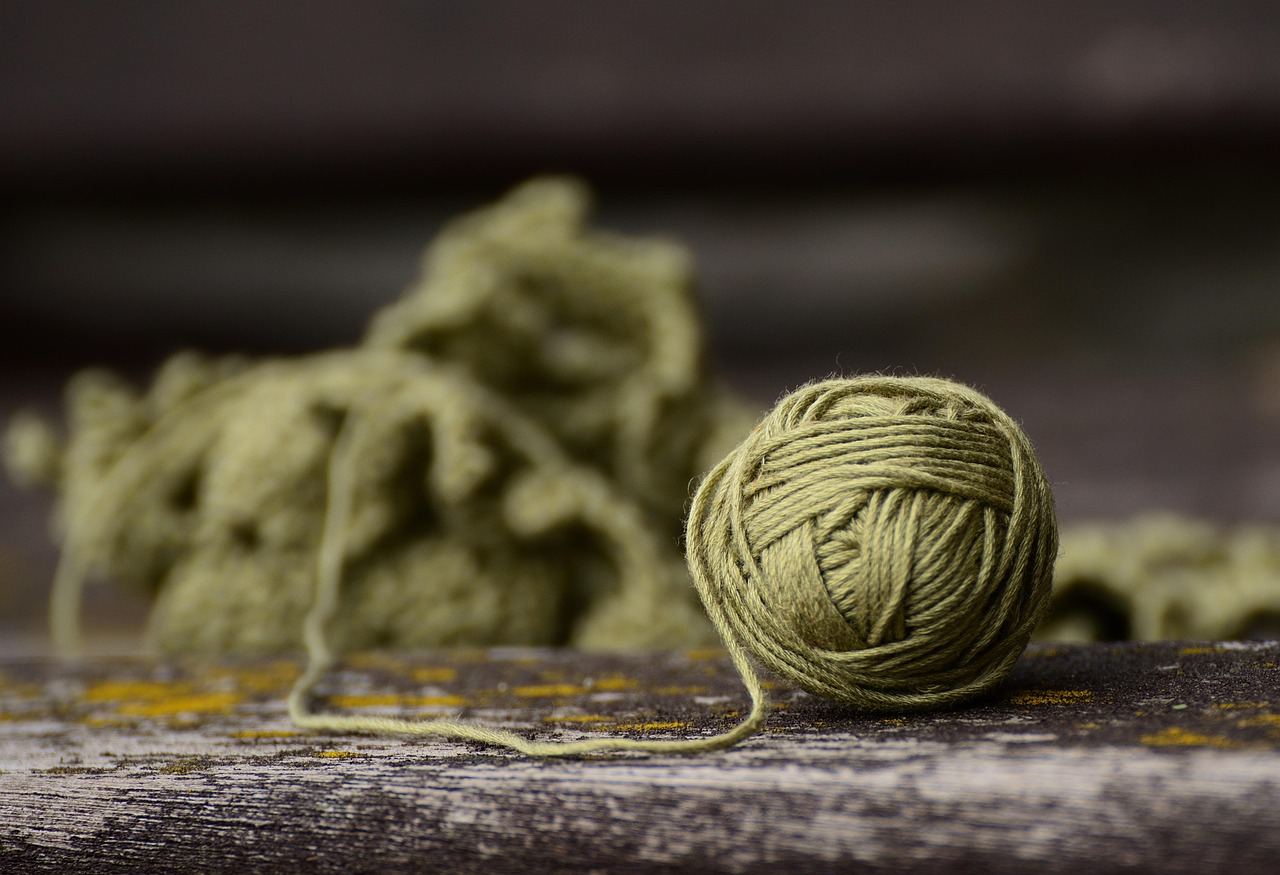
Crochet transcends its grandma image; it’s spatial problem-solving, creating everything from architectural sweaters to textured wall art.
Learning crochet as a beginner is an enjoyable way to create beautiful fabric by interlocking loops of yarn with a single hooked needle.
Each stitch builds from the last with one hook and one active loop at a time.
Crochet uses one active loop only, unlike knitting which juggles multiple stitches on two needles.
In crochet, you hold a hooked needle in one hand and yarn in the other, creating fabric by looping yarn through stitches, working to form various patterns and textures such as scarves, blankets, or amigurumi. You repeat rhythmic hand movements that can be done while seated comfortably, often pairing the activity with listening to television or conversing with others.
Crochet engages you in a flow state through its rhythmic, low-cognitive-load stitching, allowing for immersion and relaxation; it also provides incremental skill feedback as you complete rows or patterns, fostering a sense of accomplishment, creative expression, and social belonging when practiced with others.
You think crochet is what your grandmother did in a rocking chair. Scarves. Doilies. Maybe a lumpy dishcloth.
That assumption is costing you one of the most genuinely flexible craft skills you can pick up as an adult.
A woman in a Reddit thread once described her first completed sweater as "the moment I realized I'd been doing architecture this whole time, just with yarn."
She'd started three months earlier thinking she'd make a scarf.
The gear list is shorter than you're expecting – and that makes starting even easier.
Crochet appears to be knitting's calmer cousin — rhythmic, meditative, almost automatic. But holding the hook for the first time is a wake-up call.
Your hands seem unsure where to go and the yarn has a will of its own. Tension? Nonexistent.
The session is a cycle of untangling and restarting. Dropped stitches, twisted chains, and confusion over 'yarn over' will be constants.
Week two is all about inconsistency. Some chains are tight, others loose, but eventually you'll complete one that looks right.
By week three,
you'll recognize a single crochet stitch. Your grip stops being a death-grip, replaced by something more natural.
In week four, the outcome may still be lopsided. A rectangle that was supposed to be square. Yet,
it feels like a win because now you understand the process.
Muscle memory takes about ten hours to develop. The real secret: hold the yarn in your non-dominant hand. A common mistake is gripping the hook tightly while letting the yarn hang loose. Your non-dominant hand feeds the yarn while the hook does the catching.
Mastering this balance moves you closer to the rhythm that makes crochet meditative.
When to start: Early morning
Duration: 1 hour
Cost to try: $10
Success criteria: If you can chain 10, make a straight row of 10 single crochets, and tie off with both edges even, do session 2.
Gripping the hook too tightly makes you tense and affects each stitch. Beginners think a tight grip means control. Let the hook rotate gently in your fingers. Your stitches will smooth out quickly.
Starting with 20 chains only to end up with 17 stitches is all too common. Beginners lose track of the starting knot or mistakenly count the loop on the hook.Anchor chain #1 with a stitch marker. It keeps your count consistent from the start.
Using a random hook with "worsted" yarn can ruin your project. Even perfect technique can look messy if sizes mismatch.Start with the yarn label's recommended hook size. Usually, it's 5–6mm for worsted weight.
Many accidentally crochet through just one loop instead of both. This causes unwanted curls and gaps in your work.Pass your hook under both loops unless a pattern specifies otherwise.
Don't rip out everything if you hit a snag on row 12. Beginners often do because they don't know another option exists.
Crochet happens wherever you can sit down. Craft studios, yarn stores, and living rooms are the usual spots.
Public libraries often surprise with free stitch-alongs.
Meetup.com is your quickest starting point. Search for "crochet," "yarn crawl," or "stitch and bitch" in your city for active groups.
Ravelry.com is the crochet community's core. Navigate to Groups, filter by location, and you're in.
Independent yarn stores are gold mines for connections. Most host weekly sessions open to all skill levels, and staff have local group info.
Facebook Groups also host active communities. Try searching for "[your city] crochet" or "[your state] fiber arts."
There isn't a national crochet authority like in tennis. The Craft Yarn Council comes close, setting industry standards and offering a certified instructor program if that's in your future.
When visiting a new group, say: "I just started, I'm still figuring out tension." Crocheters love helping newcomers more than anything else.
Not every crochet style suits every person.
Here's what actually matters
Amigurumi is about crafting small stuffed figures – animals, characters, even food. You'll work in tight spirals, making it forgiving and fast. It's ideal for those seeking visible results quickly without the burden of fabric pieces. Projects are small, so yarn costs stay low.
Combination Crochet involves carrying multiple yarn colors to build geometric or pictorial patterns. These colors are part of the fabric, not just stitched on. Great for those with some crochet experience who want designs that look intentional rather than handmade. Be aware: you'll use more yarn per project.
Tunisian Crochet uses a longer hook and a two-pass technique. The result is a fabric more like woven cloth than typical crochet. It mimics knitting but requires just one hook, attracting those curious about knitting. Start here if you're a beginner interested in knitting without two needles.
Broomstick Lace involves looping stitches over a dowel or knitting needle. The clusters are open and drapey, perfect for shawls. Suited for intermediate crocheters wanting striking textures without learning an entirely new skill. Avoid this if structure is your goal.
Thread Crochet uses fine cotton and tiny hooks to create doilies, lace edging, and delicate accessories. It's just like regular crochet but less forgiving of tension mistakes. Beginners should skip this unless you're drawn specifically to intricate details.
Visualization Practice is a sibling pursuit and often surfaces the same kind of curiosity.
Diorama Building lives in the same world — different mechanics, similar appeal.
Lyric Writing lives in the same world — different mechanics, similar appeal.
Most beginners obsess over stitch count, recounting rows and restarting when numbers drift.
But the count isn't the problem. It's tension.
Tension is about control. The skill you need is consistent yarn tension. Focus on how tightly yarn feeds through your non-hook hand. Not tight, not loose, but consistent.
Even tension means your stitches stack predictably. The finished piece looks like the pattern photo.
Without it, your fabric ruffles or pulls. No amount of blocking can fix a tension issue ingrained from the start.
Gauge swatches become clear. Sizing works as intended. Your project finally matches the pattern.
Engage in six crochet sessions over 30 days. Aim for one session per week, with an extra session to account for unexpected skips.
Six sessions reveal the truth about crochet's pull. The first two sessions are a struggle, but by sessions three and four, you're getting it. Sessions five and six make your feelings clear.
If you found yourself reaching for your yarn mid-week or while watching TV, it's a sign. You're feeling the hobby's pull. Upgrade to finer yarn and a hook that feels perfect in your hand. You're ready to dive deeper.
Perhaps you completed six sessions but felt indifferent. That's telling. Consider trying a project with a specific deadline, like a gift. The purpose might be what ignites your interest, not just the act of making.
If you ended each session relieved to be finished, take note. It's not about being uncreative; crochet's repetitive nature may simply not align with your creative process.
You'll know crochet is your fit if you start collecting without realizing. You've bookmarked patterns and notice yarn types without having to convince yourself.
Chronic hand pain or needing immediate results might make crochet a mismatch. It involves repetitive motions and patience for progress — challenges not fully offset by any technique adjustments.
For quicker fixes, see our roundup of things to do when you're bored.
Most beginners can learn the basic stitches within 1–2 weeks of regular practice. Creating your first small project like a washcloth or scarf typically takes 2–4 weeks, depending on how frequently you practice and the pattern complexity.
You'll need a crochet hook (available in various sizes), yarn, and optionally scissors and a needle for weaving in ends. A beginner starter kit costs $15–30 and includes hooks, yarn, and basic tools to begin.
Crochet is beginner-friendly with just a few basic stitches to master—single crochet, half double crochet, and double crochet form the foundation. Once you understand the hand motions and tension, projects become increasingly intuitive.
Yarn prices vary widely from $3–10 per ball depending on fiber quality and brand. A simple blanket might cost $30–60 in yarn, while smaller accessories like hats or scarves typically cost $5–20.
Many people with arthritis crochet successfully by using ergonomic hooks, thicker needles for better grip, and taking frequent breaks. Modified tension techniques and lighter yarn also reduce hand strain, though it's best to consult your doctor first.
Crochet uses a single hook to loop yarn, while knitting uses two needles. Crochet typically creates thicker, more textured fabric, is generally easier for beginners, and offers more forgiving stitching corrections.