BoredomBusted — Find Your Next Favorite Thing To Do
Discover hobbies, activities, places, and ideas that spark joy. Whether you're looking for something creative, active, social, or relaxing, BoredomBusted helps you find your next favorite thing to do.
Browse our hobby guides, things-to-do collections, and place ideas to never be bored again.
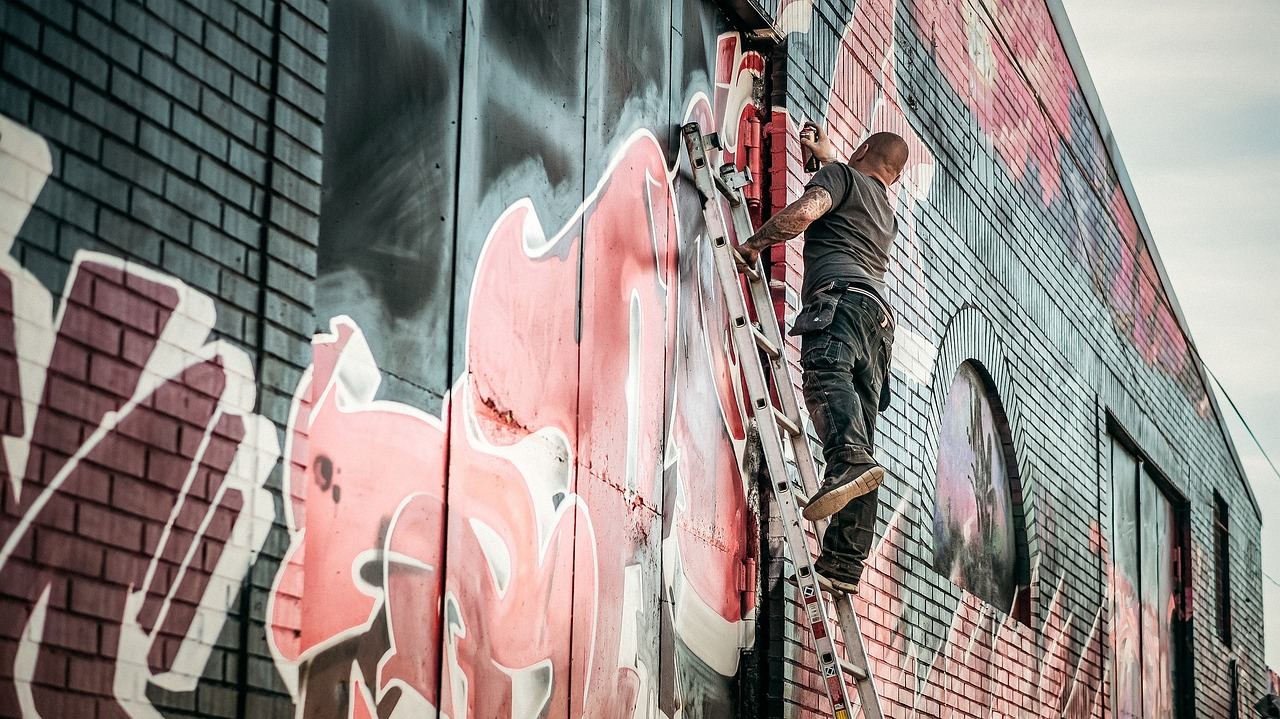
Mural painting isn't just for pros; anyone can start this weekend—the scale forgivingly hides mistakes, and planning trumps technique.
Getting started with mural painting as a beginner allows you to express your creativity on a grand scale, transforming any wall into a canvas for your artistic vision. Mural painting means creating large-scale artwork directly on walls, ceilings, or permanent surfaces – indoors or out.
You scale up a design, prep the surface, then apply paint in sections.
What separates it from canvas painting isn't skill level – it's physicality, permanence, and the fact that your work becomes part of a space people actually live in.
In mural painting, hobbyists prepare surfaces, sketch designs, and apply layers of paint to create large-scale artworks on walls or oversized canvases, employing techniques like sponging, stippling, and taping for precision and texture, often working over several hours to achieve depth and realism.
Mural painting fosters a flow state through repetitive, expansive motions that engage focus, while immediate skill feedback from visible progress, a sense of accomplishment from transforming spaces, and opportunities for creative expression mitigate feelings of boredom.
You think mural painting is for art school graduates and people with scaffolding.
Picturing a pro with a projector and ten years of figure drawing keeps you off a wall.
A big wall hides small mistakes that would ruin a canvas, and shaky brushwork can become rich texture from a distance.
Planning is the skill, not the painting itself. A grid or chalk outline simplifies the process.
Most murals aren't portraits; they're geometric, typographic, or patterns.
A beginner painted a 12-foot geometric desert at a Tucson community center.
Her biggest work before was on paper. Gridding took hours, not days. She finished over a weekend. It's still there.
Talent isn't the barrier; finding a wall is. The next part discusses how to get both.
Watching someone paint a smooth gradient on a twelve-foot wall looks effortless. Then you grab the roller and your arm aches before you've even covered two square feet. It's surprising, but the challenge isn't just skill — it's using your whole body, not just your wrist.
Walls look simple from afar, and colors seem straightforward. Yet, once you start, the surface texture resists every brushstroke. Scale messes with your sense of proportion.
Reference grids keep everything in check. Without them, your arm becomes the least of your concerns.
The first week reveals a hidden surprise: walls drink paint like nothing else, and your initial calculations will fall short. By week two, straight lines without tape seem impossible, and blending colors at scale looks nothing like it does on paper. By the third week, something shifts. You read the wall better, noticing light and texture changes, and your brush pressure starts to adapt. By the fourth week, reference grids don't feel like shortcuts anymore. Proportion is the secret to making murals work, saving you from confusing messes.
Many people give up here, thinking the mural won't get easier. It doesn't, but the real shift is when you stop fighting scale and start using it. That transition happens just when most people consider quitting.
Before you start, remember to grid both your reference image and the wall at the same ratio. Freehanding might seem natural, but it destroys proportions fast. Repainting a large area costs you a whole day.
When to start: Early morning
Duration: 1 hour
Cost to try: $10
Success criteria: if you finished without perfectionism stopping you, do session 2.
Eager artists dive into painting, skipping gesso and primer. It's a critical mistake.
Avoid blotchy surfaces and excess paint use by priming properly. Sand, clean, and apply a tinted primer that matches your base color.
Beginners often trust their eye for enlarging an image. By the third panel, proportions are usually off.Use a chalk grid to transfer the image square by square. First, draw a grid on your reference, then on the wall.
Interior latex paint is cheaper and convenient. Outdoors, it fades and cracks quickly.
Invest in exterior-grade acrylic for durability. Save interior paint for inside spaces.
Light first, dark later can be misleading. Dark colors need more layers than expected.
Prime dark areas with a mid-tone first, then use thin coats. This avoids streaks and drips.
Beginning at the bottom seems easier. It's not.
Work top to bottom to avoid drips on finished sections. Complete higher areas first.
The first place to try mural painting is wherever you have permission. Community arts centers, makerspaces, and public areas are popular choices.
Coffee shops and local businesses often have walls that need art. Ask around in your neighborhood.
Mural Arts Network is the hub in the U.S. for professionals. No single national body exists otherwise.
Introducing yourself as new can lead to more involvement. Just offering to help might get you a role.
You create your mural on paper or fabric and apply it like a giant sticker. It's removable and portable, letting you do detailed work in the studio first. Perfect for those wanting mural-scale art without a permanent commitment or for working on someone else's property.
Wheat paste (flour and water) is cheap, but large-format printing can get expensive quickly.
This involves hyper-realistic paintings that trick the viewer — fake windows, archways, or objects that seem real. Best for skilled artists seeking a technical challenge that rewards patience with stunning results.
Think fast, bold colors and blended gradients. The challenge isn't the spray can itself, it's managing pressure and distance to avoid drips. Great for those drawn to graffiti aesthetics willing to practice on cardboard first.
Proper respirators are a must – not optional.
Use painter's tape for hard-edged shapes filled with flat color. No freehand drawing needed. Ideal for beginners learning about color and scale without needing drawing skills.
Multiple artists work on sections of a large design. Coordination is key, but it's rewarding to paint with others. Best for those wanting large-scale experience without carrying the entire creative load alone.
Stained Glass Painting is a sibling pursuit and often surfaces the same kind of curiosity.
Another variant that pulls from the same roots is Fabric Painting.
Another variant that pulls from the same roots is Face Painting.
Understand scale to improve your mural painting. Colors and brushwork are tempting to focus on, but they won't fix an "off" mural.
The critical skill is proportional optical correction. This is how you adjust your design so it looks right from where people actually stand.
Paintings look wrong when you fail to distort the reference. Perfect circles look squashed from below, and faces can seem top-heavy.
Correct not what's accurate, but what appears right to the viewer on the ground.
Develop this instinct to avoid murals that "feel wrong" at large scales. You'll identify the issue before wasting paint and effort.
Commit to 6 mural painting sessions over 30 days. Aim for one or two sessions each week to give yourself some breathing room between projects.
If you're already plotting your next mural or imagining new color schemes while still cleaning your brushes, you're hooked. Keep a sketchbook handy to jot down designs and consider upgrading to better-quality paints before taking on bigger walls.
Finishing sessions without feeling intrigued or deeply engaged suggests a lukewarm interest at best. Try experimenting with different styles or techniques to see if anything reignites your passion before calling it quits.
If each session feels like watching paint dry—literally—it's not the hobby for you. Finding the activity tedious rather than relaxing or rewarding is a signal to move on.
Spotting a blank wall and instantly picturing your work on it reveals your genuine interest. This automatic visualization response often happens in unexpected places around town.
Still looking for something to do? Browse things to do when bored for more ideas.
Basic mural painting can start affordably with supplies costing $50–$200, including paint, brushes, and rollers. However, larger projects may require additional investment in scaffolding, primer, and professional-grade materials. Many beginners practice on smaller walls or community projects before committing to expensive equipment.
You don't need formal training, but having basic drawing skills helps significantly. Many successful muralists start with sketching, color theory basics, and an understanding of scale and composition. Practice through smaller projects, online tutorials, and community art groups can quickly build your confidence.
A small mural (10×10 feet) typically takes 2–5 days, while medium murals (20×20 feet) can take 1–3 weeks. Large-scale community murals may require 4–8 weeks depending on complexity, weather, and crew size. Planning and design phases add additional time before painting begins.
Murals work best on concrete, brick, and stucco walls, which provide excellent paint adhesion and durability. Wood, metal panels, and primed drywall can also work with proper preparation. Avoid smooth, glossy surfaces unless you prep them with primer first.
Yes, it involves standing for long hours, reaching overhead, and climbing ladders or scaffolding, which requires reasonable physical fitness. Back, shoulder, and arm endurance matters significantly, especially on larger projects. Proper technique, breaks, and sometimes team collaboration help manage the physical demands.
You need permission from the property owner or manager—never paint without authorization. For public spaces, contact your city's parks, public works, or arts department about community mural programs and permits. Many communities have established grant programs and legal walls specifically for mural artists.