BoredomBusted — Find Your Next Favorite Thing To Do
Discover hobbies, activities, places, and ideas that spark joy. Whether you're looking for something creative, active, social, or relaxing, BoredomBusted helps you find your next favorite thing to do.
Browse our hobby guides, things-to-do collections, and place ideas to never be bored again.
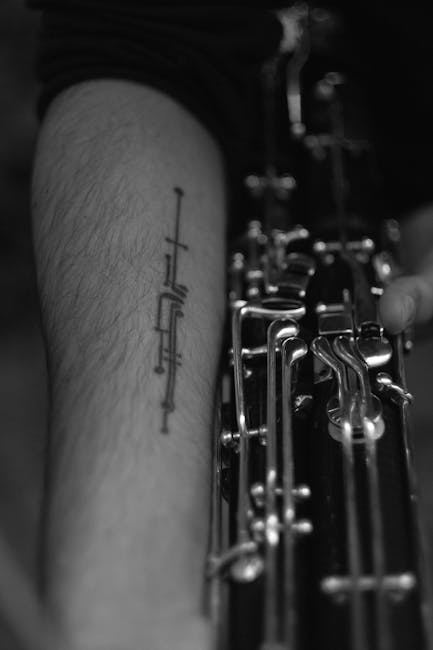
The clarinet isn't just a school band relic; it boasts a unique range and a deep connection to jazz and folk, making it a versatile passion worth exploring.
Learning to play the clarinet as a beginner opens up a world of musical expression through mastering breath control and finger techniques. A clarinet is a single-reed woodwind instrument played by blowing air across a mouthpiece while pressing keys to change pitch.
Unlike flute or oboe, the clarinet produces its full, warm tone through reed vibration — which means your embouchure (mouth shape) does as much work as your fingers.
The physical feedback loop makes picking it up challenging but deeply satisfying as you improve.
In clarinet practice, you assemble the instrument, form an embouchure, and coordinate airflow from your diaphragm while moving your fingers across keys. Sessions include long tones to warm up, followed by scales for finger agility, technical exercises to address specific challenges, and sight-reading pieces to apply what you've learned. Each session typically lasts between 30 to 90 minutes, with …
Clarinet practice induces a flow state by requiring multitasking with embouchure control, airflow management, and fingering precision, creating an optimal challenge-skill balance. Immediate feedback from auditory cues allows for rapid skill adjustments, fostering motivation through tangible accomplishments like mastering etudes or improving speed. This engagement also satisfies creative impulses …
You think clarinet is the instrument shy kids played in fifth grade band. The one that squeaks. The one nobody actually chose.
That assumption is costing you a genuinely weird, deep hobby.
Benny Goodman sold out Carnegie Hall in 1938 playing clarinet. Not violin. Not piano.
Jazz fans filled the room for a man and a single-reed woodwind. The instrument at full expression doesn't sound like a school gymnasium.
It sounds like something alive.
You're not picking a beginner instrument. You're choosing one most people quit before it gets good. The floor is crowded, but the ceiling is nearly empty.
Wondering how to step into this world? It's simpler than you think.
At first glance, playing the clarinet seems simple – one person creating music effortlessly. The reality hits when you try. The sound resembles a dying goose more than a melody. That awkward stage is real, and it lingers longer than most tutorials will admit.
In the beginning, squeaks and cracks dominate every attempted note. Ten minutes in, your jaw feels strained, and your roommate's comments are hard to ignore. But with persistence, a note finally starts to sound somewhat complete.
Reed choice matters far more than most expect. Using a bad one leads you to blame your playing. Start with Vandoren 2 or 2.5 strength reeds. Trust me, they are worth it, especially compared to whatever came with the case. Replace them every one to two weeks to ensure you aren't fighting against a warped reed.
Push past the weeks when quitting seems easiest. At three weeks, actual music begins to emerge. Your skill isn't about innate talent. It's just past the quitting threshold. The next section tackles the common beginner mistakes that derail progress.
When to start: Early morning
Duration: 1 hour
Cost to try: $20
Success criteria: If you play one clean, steady long tone and both C and G major scales one octave up and down with no reed squeaks, do session 2.
The clarinet squeaks if air pressure drops, leading beginners to clamp down with their teeth to compensate. This only worsens the situation.
Rest your top teeth lightly on the mouthpiece, and let your bottom lip do the work. Curl it gently over your bottom teeth like a cushion.
It may seem more stable to jam the mouthpiece deep into your mouth, but this ruins tone control and flexibility.
Take in only about a third of the mouthpiece. Aim for where the reed starts to separate from the lay.
The clarinet overblows a twelfth rather than an octave. Beginners often hit the register key expecting familiar patterns, then assume the upper register is just hard.
Start with a B-flat major scale that crosses the break. Build muscle memory from the very beginning to avoid mental blocks later.
A dry reed, once put back, often cracks or refuses to vibrate. Beginners don't realize reeds require a moment to come alive.
Soak your reed in your mouth for 60–90 seconds before playing. Do this every single time, without exception.
The right-hand thumb rest is usually in a default position that fits almost no one. This awkward angle can quietly wreck your technique over time.
Adjust the thumb rest so your right thumb sits at a 45-degree angle under the body. Your hand should feel almost lazy and not braced.
Clarinet practice fits almost anywhere with a door you can close.
Bedrooms, music studios, community centers, school practice rooms, and church halls are your go-to spots.
Introduce yourself at a meeting or practice, and say: "I'm a beginner looking to play with other people." You'll get pointed to the right group, paired with a mentor, and probably invited to join a session before committing.
Most people start with the Bb clarinet and never need to reassess.
The Bb clarinet is the foundation.
Every beginner method book and school band director starts with a Bb clarinet. Best for beginners, full stop – everything else is a detour until you master this.
Bass clarinet plays an octave lower.
It sounds like a clarinet aspiring to be a cello, offering a rich and moody tone. Ideal for players familiar with Bb fundamentals who want a deeper voice in jazz or concert bands. Expect to invest more – student models start at $1,500–$2,500, and rentals are scarce.
The Eb clarinet is smaller and higher-pitched.
It's genuinely challenging to play in tune due to its pitch sensitivity. Best for experienced players who need it for orchestras or wind ensembles.
The A clarinet is similar to the Bb but slightly longer, pitched a half-step lower. Orchestral music regularly requires it.
Not for beginners; rent or borrow when needed.
Contra-alto and contrabass clarinets are the odd ones out. They're huge and rare.
Found mostly in clarinet choirs or ensembles. Just know they exist; not worth pursuing until needed.
A close neighbor worth considering: Opera Singing.
For something adjacent, see Trombone.
If you want a related angle, Saxophone is the natural next stop.
Most beginners fixate on adjusting their embouchure. They tweak lip positions endlessly.
The real problem isn't the embouchure. It's how you direct your airstream.
Focus on controlling your air's angle and speed. Aim for a fast, focused stream directing downward through the reed.
Most beginners blow like they're fogging a mirror. You need precision. Imagine you're trying to hit the floor through your instrument.
Direct, fast air makes the reed vibrate properly. Your tone becomes full and resonant.
Without this, a squeaky, thin tone prevails. The squeak isn't in your lips—it's a reed failing to stabilize.
Issues like register breaks or notes cracking often trace back to poor airstream direction.
If it wavers, your angle isn't steady. Focus on sustaining it through your breath.
If your shoulders rise, you're breathing shallow. Your air speed dies mid-phrase, collapsing the angle.
8 sessions in 30 days will tell you a lot. Twice a week gives enough feedback to break in without taking over.
If you find yourself wanting more, and the sound is beginning to feel personal, you're onto something. Humming fingering patterns isn't just a novelty – your skills are deepening. It's time to invest in a good student clarinet and consider lessons.
Indifference usually stems from lack of connection. It was just okay, without much thought between sessions. Before you move on, experiment with a genre you regularly enjoy, like jazz or classical, to see if that shifts your experience. If it doesn't, let that be your decision.
If you dreaded each session and felt no joy in the sound, that's significant. It's not just difficulty – it's about zero connection. Respect that instinct and explore other interests.
Notice how often you zero in on clarinetists in your favorite songs. That's an unspoken attraction you can't force or fake.
Not ready to pick a hobby yet? The boredom busters page has smaller things to try first.
Most beginners can play simple melodies within 3–6 months of consistent practice. Achieving intermediate proficiency typically takes 1–2 years of regular lessons and daily practice. Progress depends on practice frequency, teacher quality, and natural aptitude.
A beginner clarinet ranges from $150–$500 for student-quality instruments. Add lesson costs ($30–$60 per hour) and maintenance supplies like reeds ($2–$5 each). Total first-year investment is typically $800–$2,000 including lessons and accessories.
Clarinet has a moderate learning curve — easier than oboe or french horn, but takes more patience than recorder or ukulele. The biggest challenge is developing good embouchure and breath control, but most students find it rewarding once they pass the first month.
Aim for 30 minutes to 1 hour of daily practice as a beginner. Even 30 minutes of focused, deliberate practice is more effective than sporadic longer sessions. Consistency matters more than duration for building muscle memory and progress.
Yes, clarinet is highly versatile and plays a major role in classical, jazz, klezmer, folk, and contemporary music. This versatility makes it ideal if you want to explore multiple genres and play in different ensembles or bands.
You'll need a reed (typically Bb clarinet reeds), a music stand, a cork grease for assembly, and a cleaning swab. Most students also benefit from a teacher and a beginner method book to guide their learning and avoid developing bad habits.