BoredomBusted — Find Your Next Favorite Thing To Do
Discover hobbies, activities, places, and ideas that spark joy. Whether you're looking for something creative, active, social, or relaxing, BoredomBusted helps you find your next favorite thing to do.
Browse our hobby guides, things-to-do collections, and place ideas to never be bored again.
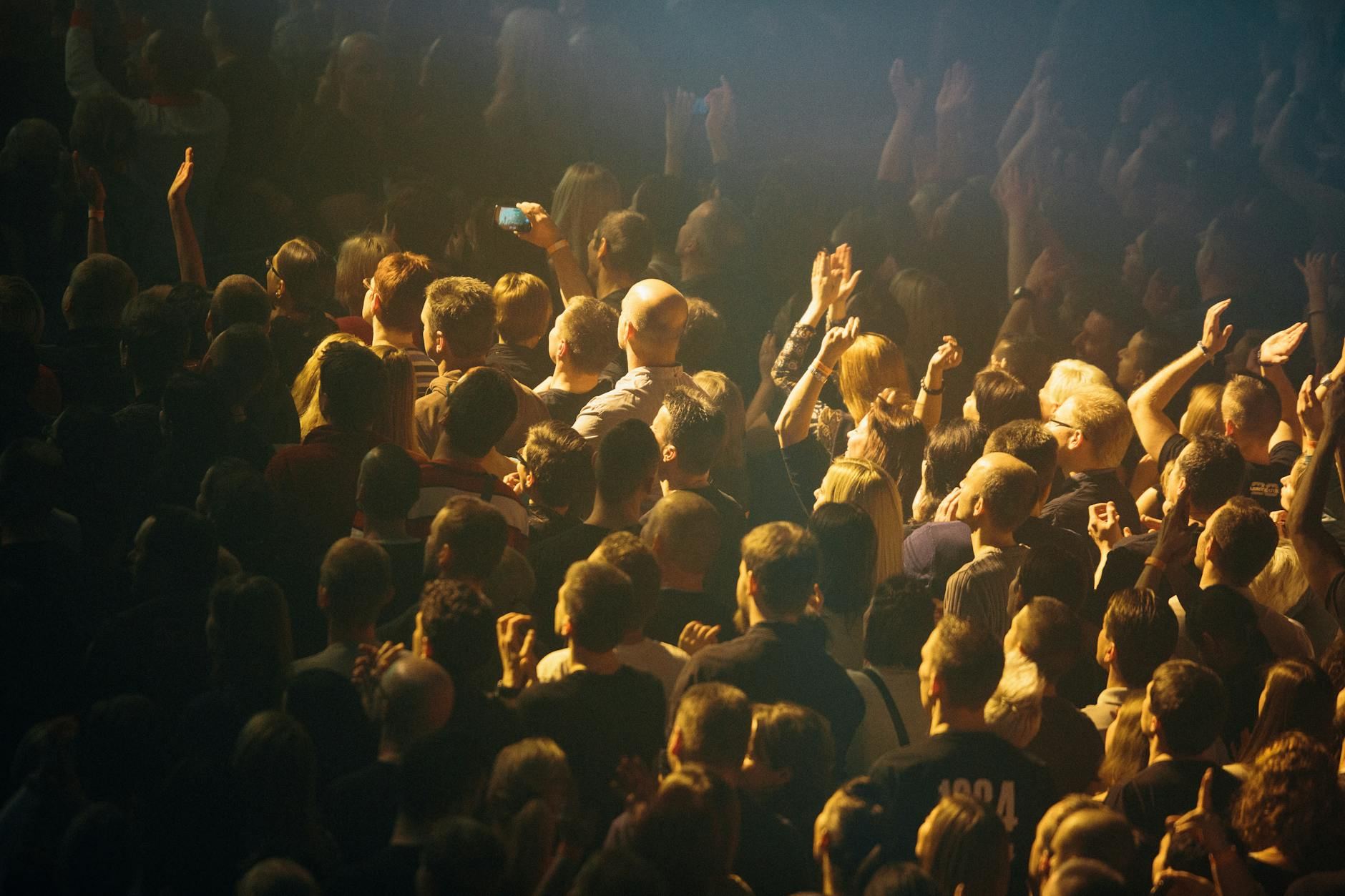
Concert-going is more than just a ticket; it's about building taste and a community that can transform an average show into a mind-altering experience.
Getting started with concert-going as a beginner is about immersing yourself in the vibrant world of live music experiences. It's a hobby where the concert itself is just the beginning.
Choose your favorite artists, buy tickets, and enjoy the thrill of real-time performances. Venues vary widely, from intimate clubs to massive stadiums, offering unique experiences.
Curation sets the dedicated apart from casual attendees. It's about more than just showing up.
Concert-going involves planning and attending live music events, including researching shows, traveling to venues, and experiencing performances in person. Attendees physically navigate crowds, secure optimal viewing spots, and engage actively by cheering or dancing. Rituals like pre-show meals or post-show discussions enhance the experience, making concert-going a deliberate and immersive pursui…
Concert-going combats boredom through immersion in live music, creating a flow state during performances via synchronized crowd movement. The novelty of different venues and genres prevents routine, while social rituals enhance a sense of belonging. Solo trips build confidence and independence, and the logistics of concert attendance provide a sense of accomplishment without requiring creative ou…
You think concert-going is just buying a ticket and showing up. Maybe grabbing an overpriced beer, watching the set, going home. That's the assumption – and it's why most people underestimate what they're actually signing up for.
Concerts aren't passive entertainment for seasoned regulars. They're building taste, context, and a map of how live music works across venues and crowds.
The difference between a forgettable show and one that changes you is rarely the artist. It's about knowing where to stand, when to arrive, and how to read the room before the first note.
Concerts build a social network you won't find in reviews. The people you meet become the ones texting about the next show, and that network compounds quickly.
Your friend who's seen the same band twelve times isn't obsessed. She knows the vibe of a 300-cap room on a Tuesday is completely different from Saturday's big arena. She positions herself accordingly – third row, arrives at doors, skips the opener she's already caught twice.
It's not about whether this is worth doing. It's about being prepared to do it right – and that preparation starts before buying a ticket.
Concert footage online is deceptive. It looks effortless — emotions everywhere, the perfect setlist, everything cinematic.
Your first show won't be like that. Expect to feel disoriented, overstimulated, uncertain of where to stand.
Nostalgia isn't what it seems. Romanticized clips. Perfect lighting. A highlight reel. It's someone else's memory, not yours yet. Then there's the ringing ears, the barely-watchable opener, the time wasted at the merch table. Before you know it, you've missed the first three songs.
Week 1 is all logistics — you'll spend most of it figuring out where to stand, when to move, and why others seem to know more.
By Week 2, sharpen your focus. Zero in on one aspect — be it sound mix, crowd energy, or stage setup. Suddenly, things start clicking.
Week 3 often brings a turning point. You might book another show before the first one's even processed. That's when you know you're hooked.
By Week 4, your opinions on venues start to form. You'll realize those instincts are spot on.
Always arrive for the opener. Not because you must, but because witnessing a band giving their all in a half-empty room is when it clicks. It's about more than just the headliner.
Check the door times. Show up early. The rest, you'll figure out in real time.
When to start: Morning
Duration: 2 hours
Cost to try: $0
Success criteria: if you finished without talking to at least one fellow attendee, do session 2.
General admission is thrilling until you're stuck behind someone tall with no escape. Some venues have better spots than just front-and-center.
Check the venue's seating chart and Reddit fan photos before buying. Look for elevated areas or side sections for a clear view.
That listed start time? It's when the opener goes on, not the headliner. Arriving then means you've wasted the best spot watching someone you didn't come for.
Check set times on the venue's social media the day of the show. Plan to arrive based on when your must-see act hits the stage.
You filmed the whole show, but when will you watch it? The footage is shaky and the audio is terrible. Your night was spent staring at a screen.
Take a couple of clips during the first song to satisfy the urge, then pocket your phone. Be present and enjoy the real thing.
Wearing the band's shirt? It's a classic move everyone notices. Not a crime, but you'll likely want some new merch.
Wear something comfy and plan your merch budget separately. Allocate twenty to forty bucks, so you don't eat into your drink fund.
Everyone skips the opener thinking it's no big deal. A long dinner or tough parking makes it easy to miss out.
Preview the opener on Spotify beforehand. Sometimes they're the band you'll be obsessed with next. Catch them now in an intimate setting.
Concert-going happens anywhere live music is performed – from 20,000-seat arenas to sweaty 80-person live music venue basements, amphitheater outdoor stages, and club and bar back rooms with a PA system held together by duct tape.
Ask locals at venues where to go next. Locals love sharing the best upcoming shows, so don't hesitate to ask for recommendations. This is a hobby that thrives on personal connections, not institutions.
No seats. Grab a spot and defend it! Closer equals earlier and more effort moving through the crowd.
Ideal for those who want the full physical experience: energy, movement, and immersion in sound, not just observation.
Expect long hours on your feet and wear shoes you won't mourn if ruined.
Assigned seats with great views and moments to breathe between performances. You'll trade a lively atmosphere for a more static crowd and less ambient noise.
Perfect for first-timers, older fans, or anyone focused on listening over the experience.
Expect higher prices for the comfort and ease of entry.
Multiple bands, multiple stages, all within one packed weekend. You'll juggle logistics as much as music-loving.
Best for those who thrive on variety and can handle big crowds, the elements, and chaos.
Budget for more than just tickets — think travel, lodging, and food costs.
Small venues, capacity of 100-500, with up-and-coming or independent artists. Feel like part of the show when you're close enough to see the setlist.
Great for those new to concerts without the intimidation of a huge venue.
Tickets are typically more affordable and can be snatched up last-minute.
Classical performances demand quiet reverence. Timing your applause matters, and keep your phone silent.
Great for those wanting acoustic brilliance without the noise and crowds of typical concerts.
Readers who enjoy this often gravitate toward Band Following next.
For something adjacent, see DJ Mixing.
Turntablism lives in the same world — different mechanics, similar appeal.
Being present in the moment matters more than knowing every lyric. First-timers often miss this, chasing optimal seats instead.
The skill to master is reading the room's energy. Spotting when the crowd swells or when to simply absorb the moment can transform your experience.
Read the room and become part of the experience. Without it, shows feel distant, leaving you wondering why others are more connected.
Tuning into the crowd doesn\u0027t just enhance enjoyment; it also boosts your safety in dense crowds before issues arise.
Attend 3 concerts in 30 days. This gives you the chance to see a variety and truly understand what you enjoy.
Planning the fourth gig before the third ends means you're beyond just spectating.
You're beginning to cultivate a deeper connection. Dive deeper by exploring artists you want to catch live next.
The shows were okay, but they didn't leave a lasting impact.
It's not a budding interest. Try one more show in a different genre before moving on.
Constantly checking the time or feeling relief when it's over tells you something important.
Crowds and unpredictability might not be for you. It's simple feedback, not a failure.
You're tracking shows and setlists for concerts you didn't attend. There's an underlying craving that merits digging into what's holding you back.
Sometimes you just need something for the next ten minutes — that's what things to do when bored is for.
Concert ticket prices vary widely depending on the artist, venue size, and seat location—typically ranging from $20 to $200+ for general admission or standard seating. Add parking, food, and drinks to your budget, which can easily add another $30–$100 to the total cost per person.
Bring valid ID, your ticket (digital or printed), comfortable closed-toe shoes, and a light jacket or sweater since venues can get crowded and temperature can fluctuate. Leave valuables at home and consider bringing a small crossbody bag or backpack to keep your hands free.
Arrive 30–60 minutes early for most indoor venues to allow time for parking, entry lines, and finding your seat. For outdoor festivals or floor seating, arrive even earlier (1–2 hours) if you want a good spot closer to the stage.
Concert costs can add up quickly, but they're comparable to other entertainment hobbies like going to movies or sporting events when you factor in frequency. You can manage expenses by attending smaller venue shows, festival lineups with multiple artists, or following venue emails for presale discounts.
Check Ticketmaster, Live Nation, Songkick, or Bandsintown—apps that let you search by location, genre, and favorite artists and send notifications when they tour near you. Local venue websites and social media pages also post their upcoming event calendars.
Most concerts run 2–3 hours from doors opening to the final encore, though the main artist usually performs for 60–90 minutes. Festival lineups can stretch 6–12 hours depending on the number of artists and breaks between sets.