BoredomBusted — Find Your Next Favorite Thing To Do
Discover hobbies, activities, places, and ideas that spark joy. Whether you're looking for something creative, active, social, or relaxing, BoredomBusted helps you find your next favorite thing to do.
Browse our hobby guides, things-to-do collections, and place ideas to never be bored again.
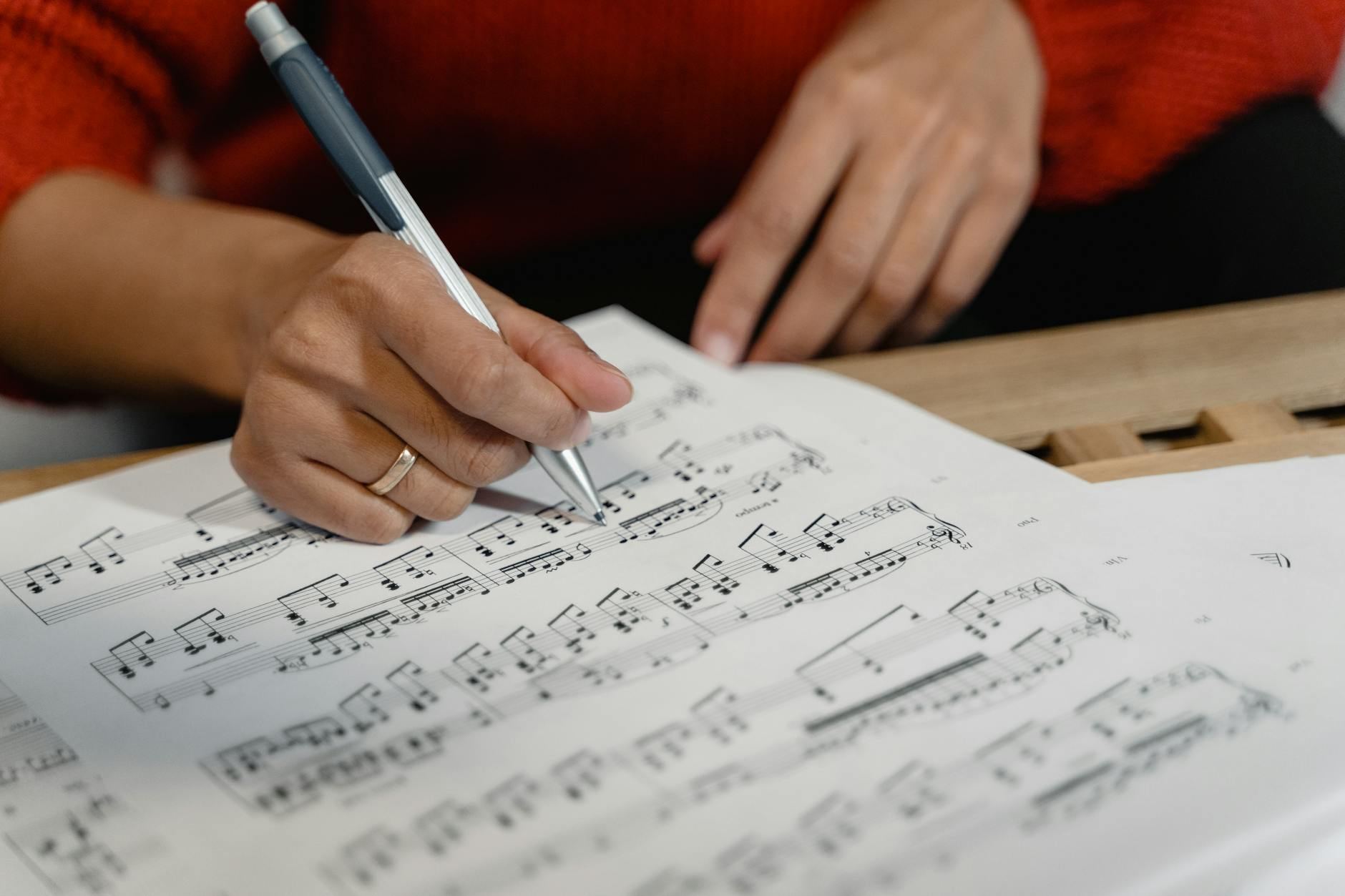
Composition is less about musical genius and more about decision-making; many successful composers create entirely by ear or with software, not sheet music.
Learning music composition as a beginner involves understanding how to create new music from the ground up. You arrange melody, harmony, rhythm, and structure into something entirely original.
While learning an instrument involves playing what others composed, and music production focuses on engineering sound, composition is about the decisions shaping the music itself.
In music composition, hobbyists engage in cycles of ideation, notation, and refinement, using either traditional tools or digital audio workstations (DAWs) at home. They start by listening to music for inspiration, then sketch melodies and harmonies, write lyrics, and arrange song sections, often recording scratch tracks to evaluate and edit their progress. Sessions typically last an hour or long…
Music composition induces a flow state through immersive engagement with musical fragments, allowing for immediate feedback with DAW playback that propels skill development. The act of creatively combining motifs fosters novelty and discovery, while completing tangible tasks like notating sections provides a satisfying sense of accomplishment, keeping boredom at bay.
You think music composition is for people who already know music. You're picturing someone at a grand piano, scribbling notes onto staff paper, hearing entire symphonies in their head before touching a key. That's not composition – that's a movie about composition.
The magic is in deciding, not dreaming. Every choice about what comes next is a compositional act, whether you're humming into your phone or dragging clips in GarageBand.
You don't need to read sheet music to compose. Thousands of working composers create by ear, by feel, or use software that translates sound into structure for them.
The 'talent barrier' is really just an unfamiliarity barrier. It dissolves faster than most other creative skills once you start making noise.
Brian Eno's music wasn't born from inspiration but from rules. He created entire albums using systems he called 'oblique strategies' – guidelines and constraints. No waiting for a muse. He built frameworks, followed them, and let the music happen.
The real question is in your pocket already – it's your phone. The tools to start composing are more accessible than you think. What comes next is what we'll explore.
Composing music alone doesn't feel like inspired flow. The blank staff stares back at you, louder than expected. Every note seems random, and the decisions feel off.
The silence isn't a barrier, but the starting point. As you keep writing, the randomness becomes less daunting.
In your first week, you'll mostly stare at the screen. Every finished piece, even if it's short and unimpressive, is a milestone.
Week three shows progress – you begin to hear the difference between intention and result. That disparity helps refine your ear and skills.
It sounds rough at first, and the urge to quit is strong. But the struggle is part of the growth.
Preparation helps. Listen to music in the style you want to compose before opening your software. This gives you something to emulate and eases the initial hurdle.
When to start: Morning
Duration: 1.5 hours
Cost to try: $10
Success criteria: If you record an 8-bar melody and play it back with a clear ending note over your chord loop, do session 2.
Ambition leads beginners to emulate complex film scores with 64 tracks. But these projects often stall and die.
Work on a smaller scale. Compose your next song using just a piano or a single lead instrument. Don't add more until you can hum the melody from memory.
Beginners often think they need to master theory before starting to compose. This leads to endless video watching without creating music.
Start with a blank project and write anything, even if it's ugly. Then learn the theory that addresses what went wrong with that piece.
Looping a catchy chord progression for weeks feels like progress. But without building on it, you're just treading water.
Push the music forward by creating at least three distinct sections. Only then, return to refine any part of it.
Using EQ and reverb too early distracts from core ideas. Sounds enticing, but it can bury potential melodies.
Compose with flat-volume instruments and no effects. Ensure the piece stands on its own before adding polish.
Without knowing what 'finished' looks like, beginners struggle to wrap up creations, pushing projects indefinitely.
Set a 48-hour limit on your next piece. Export it when time's up, imperfections and all.
Community is essential. Beyond home setups, try community music schools and recording studios with session space. University music departments often offer public workshops for composers to meet face-to-face.
Find vibrant local groups on Meetup.com—search "music composition," "songwriting circle," or "music theory meetup" with your city. These meetups are active, even in mid-sized locations.
Facebook is where most local scenes organize. Look for groups like "[your city] composers" or "[your city] songwriters collective."
Check the ASCAP member directory at ascap.com for workshops. Even as a non-member, their regional offices might link you to local communities.
Search for "composition workshop [your city] community music school"—institutions regularly hold open sessions for all skill levels without requiring enrollment.
The American Composers Alliance (americancomposers.org) provides national support and resources for concert music composers. It's a good idea to bookmark their site early.
Walk in expressing your status as a beginner without formal theory knowledge—use those exact words. Usually, someone will spend a moment clarifying the group's skill range and where you'll fit best.
Craft your music around a singer with voice-focused songwriting.
Emotional hooks matter more than orchestration.
Ideal if you already sing or play guitar or piano.
Compose music that matches scenes, moods, and specific moments.
Use images to dictate your musical direction.
Visual thinkers will enjoy composition with purpose. Setup: $50–$300 for DAW and film scoring template.
Create both sound and structure without needing traditional training.
No need for notation or acoustic instruments.
Great for newcomers. Fast feedback and low cost. Just a laptop and free DAW like GarageBand or LMMS can get you started.
Write for acoustic instruments using full sheet music and notation.
This path is deep and rewarding for those serious about mastering composition.
Perfect for musicians who already read music and want to dive deeper.
Design ambient soundscapes or use generative systems for music that evolves.
Great for experimental and free-form composition lovers.
Some of the same instincts show up in Harp — worth a look if this clicked.
If the texture of this appeals to you, Melody Composition is built on similar bones.
Harmonic ear training is the crucial skill for musicians who want to improve. It's the ability to hear a chord or melody you've written and immediately understand its emotional function—tense, resolved, or otherwise—without waiting for music theory to confirm it later.
This isn't about passive listening. It's about recognizing emotional tones in real time while composing. Understanding this dynamic lets you stop haphazardly moving notes. With harmonic ear training, you begin consciously constructing memorable moments.
You'll end up finishing more arrangements because you're no longer stuck at every transition, wondering why it sounds "off." You won't just stumble into writing good music; you'll do it on purpose. This is the leap forward that transforms how you compose.
Next, let's explore practical exercises for developing this skill.
Twelve sessions over thirty days – that's the test. Three sessions each week ensures momentum without losing your way.
If your thoughts often drift back to your ideas between sessions, the hobby is resonating. You're not just enjoying music; you're actively engaging with it. Start learning one formal concept weekly, starting with rhythm and moving to melody and harmony. This gives your excitement some structure to grow.
If you completed every session without any urge to return, that speaks volumes. It suggests other activities might better match your creative drive. Try experimenting—switch formats. If you were focused on melodies, shift to beat-making. Change software to pen and paper. A single shift can unlock new potential.
If you dreaded every session, that's a clear signal. Composition requires patience with silence, a trait not everyone enjoys. Some find it oppressive rather than inspiring. Recognizing this is valuable insight rather than a flaw.
The unmistakable sign: you're mentally remixing music on your commute or reimagining film scores. This constant dialogue with music shows the hobby has connected with you.
For quicker fixes, see our roundup of things to do when you're bored.
No, you can begin composing without formal music theory training. Many composers start by experimenting with melodies and chord progressions by ear or using software tools that guide you. As you develop, learning theory will help refine your skills and expand your creative options.
At minimum, you need a computer and Digital Audio Workstation (DAW) software—many free options like GarageBand, Audacity, or Cakewalk exist. A MIDI keyboard is helpful but not required for beginners. As you progress, you may add microphones, audio interfaces, or external instruments.
A simple song can take anywhere from a few hours to a few days, while complex compositions with orchestration may take weeks or months. The timeline depends on your experience level, the song's complexity, and how much revision you do. Most beginners should expect to spend 5–20 hours on their first complete composition.
Music composition has a gentle learning curve—you can create enjoyable pieces as a beginner, but mastering arrangement, orchestration, and advanced techniques takes time. Starting with simple melodies and gradually adding layers of complexity makes the process manageable and rewarding.
Songwriting typically involves creating melodies with lyrics for vocals and follows song structures like verse-chorus-bridge. Composition is broader and can include instrumental music, complex arrangements, and experimental forms without vocal requirements. Both use similar creative processes but serve different artistic purposes.
Many excellent DAWs are completely free, including GarageBand (Mac), Cakewalk (Windows), and Reaper's trial version. Professional options like Logic Pro, Ableton Live, or Studio One range from $200–$600 one-time or $10–$20 monthly. You can pursue composition seriously without spending money initially.