BoredomBusted — Find Your Next Favorite Thing To Do
Discover hobbies, activities, places, and ideas that spark joy. Whether you're looking for something creative, active, social, or relaxing, BoredomBusted helps you find your next favorite thing to do.
Browse our hobby guides, things-to-do collections, and place ideas to never be bored again.
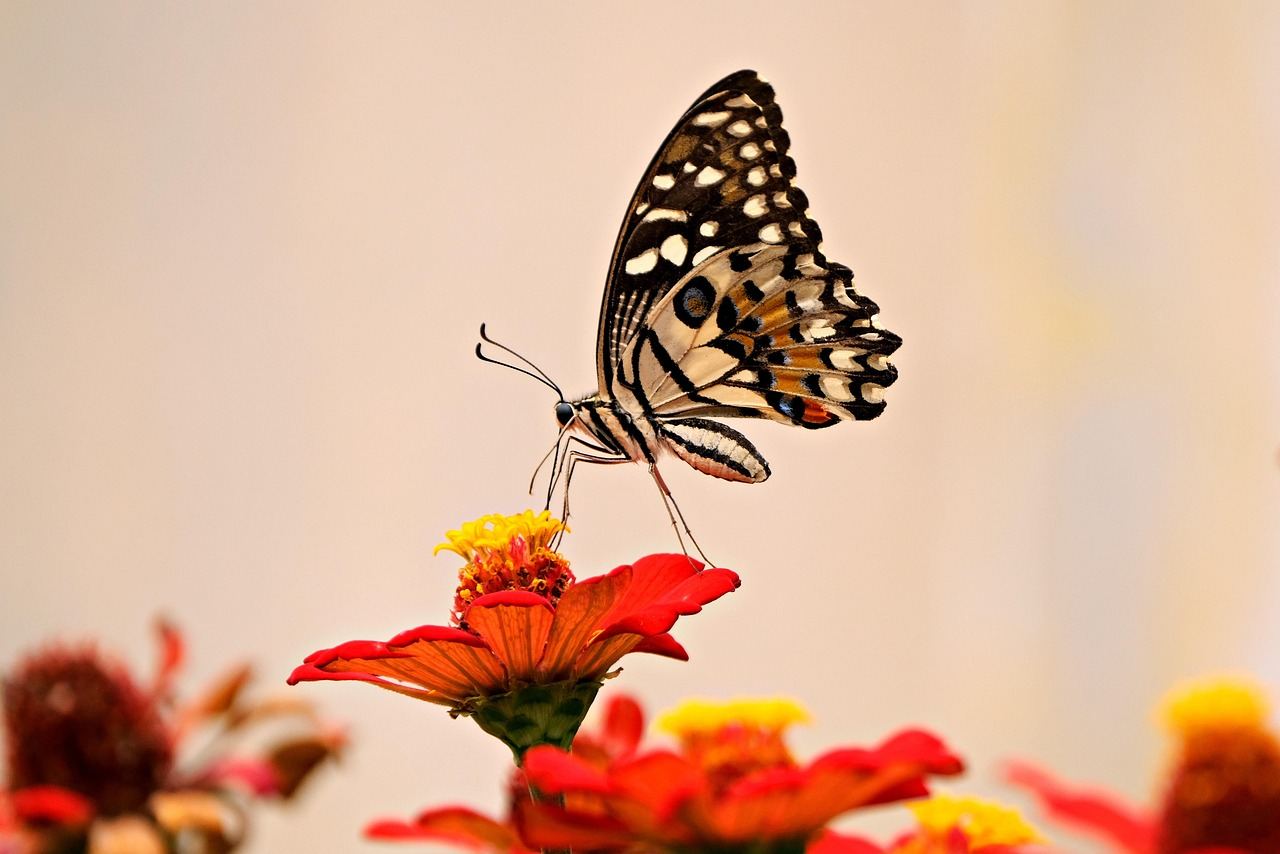
Butterfly gardening isn't just for retirees sipping tea — it's an active ecology project that requires you to understand local food chains and caterpillar needs.
Getting started with butterfly gardening as a beginner involves creating a welcoming environment that nurtures these beautiful creatures throughout their life cycle.
You plant nectar sources for adults and host plants where they'll lay eggs and caterpillars will feed.
Unlike general wildlife gardening, every plant choice is made with a specific species' biology in mind – not just aesthetics.
In butterfly gardening, you physically select and plant native host and nectar plants, create watering and basking features, and monitor local butterfly species, focusing on tasks like site assessment, grouping plants, and providing habitats for their life cycles.
Butterfly gardening induces a flow state through intricate tasks, offers immediate skill feedback with visible results from planting, and provides a sense of accomplishment as you nurture diverse butterfly species, keeping engagement high through seasonal discoveries.
You think this is a retirement hobby. A garden full of milkweed, a lawn chair, waiting to see what shows up.
That assumption is costing you the actual experience.
Butterfly gardening involves creating a living system, not just a pretty decoration. It's about matching plants to the specific needs of caterpillars and butterflies. Many beginners plant flowers and wonder why nothing shows up. Butterflies aren't seeking beauty; they need host plants for their caterpillars.
A single Black Swallowtail lays eggs only on plants in the carrot family – dill, fennel, parsley.
Plant those, and within one season, you're watching larvae hatch, molt, and pupate in your own yard. That's not passive; it's a managed habitat you built on purpose.
The next question is what that habitat actually needs – and the answer is more specific than "flowers."
Planting for butterflies seems tranquil. Flowers, fluttering wings, and maybe coffee in hand. But the reality? Your first session is mostly dirt. You'll second-guess every plant choice and wonder why nothing appears.
Expect slow results. You might even have trouble distinguishing between a butterfly and a moth, which can leave you feeling like nothing's happening.
As days turn into weeks, you'll plant, water, and check obsessively. You'll spot a caterpillar eventually, prompting a surprising sense of achievement. But when something eats half of a plant, resist pulling it out.
Damage shows your garden is alive and working. Then, a butterfly landing briefly hooks you for good.
Butterfly gardening follows nature's timeline, not yours. Many people give up before seeing progress. Nectar plants lure butterflies, but host plants keep them and aid reproduction. Milkweed attracts monarchs, parsley supports swallowtails. Without these, your garden's just a pit stop. Start with two or three common species in your area and plant host plants first.
When to start: Early morning
Duration: 1-2 hours
Cost to try: $0
Success criteria: If you planted 2–3 native nectar plants in a sunny spot, spaced them correctly, watered them, and labeled their locations, do session 2.
Nectar flowers attract butterflies, but they aren't enough. They're just the dining spot.
Add host plants like milkweed, fennel, and native violets. Without them, caterpillars have nowhere to grow, and butterfly visits will dwindle.
Tidy gardeners often remove vital caterpillar plants, thinking they're just weeds.
Identify plants with the Native Plant Finder before removal. Violets and clover may be weedy, but they're essential to caterpillars.
Those neon coneflowers and hybrid milkweeds look appealing, but fail for wildlife.
Check the Latin names and pick true species like Echinacea purpurea. Cultivars may have less nectar and ineffective pollen.
Chewed leaves mean caterpillars are thriving, but many jump to prune or spray.
Leave ragged plants alone in host areas. By late summer, they should look rough—that's success.
Butterflies need sun to energize. Skip shady spots if you want them around.
Ensure your garden gets six hours of direct sun. Add flat stones for basking to really seal the deal.
Start on Facebook Groups by searching "butterfly garden [your city/state]" or "pollinator garden club [your region]". These groups are lively and perfect for finding local enthusiasts.
The North American Butterfly Association (naba.org) hosts local chapters and organizes butterfly counts. It's beginner-friendly and requires no prior experience.
Search Meetup.com for "native plants" or "pollinator gardening". These meetups will often have active butterfly gardeners joining.
Reach out to your local Cooperative Extension office. Search for "[your county] cooperative extension master gardener" to find free plant clinics and connect to regional garden networks.
Being direct gets you results. Ask seasoned gardeners about region-specific host plants. You'll often leave with expert tips and maybe even some cuttings.
This garden uses only plants native to your area—no cultivars or hybrids. Native caterpillars often depend on these plants, attracting more species than mixed gardens.
Perfect for patient gardeners who value ecological impact over looks. You'll spend time sourcing plants from specialty nurseries, possibly at higher costs.
All plants live in pots on a balcony, patio, or rooftop. This entry point keeps costs low with milkweed and nectar plants in containers, ideal for small spaces.
Great for apartment dwellers who want to try the hobby without a yard. Costs remain manageable, but expect frequent watering.
Creating a Monarch Waystation means prioritizing milkweed over other plants. It's all about helping Monarchs migrate, with simple plant choices but fewer butterfly species overall.
Ideal for those with a clear goal who enjoy measurable success. The Monarch Waystation program lets you officially register your garden, which can be a strong motivator.
You aim to meet certification standards from organizations like the National Wildlife Federation. Certifications give beginners a clear checklist to make smarter plant choices.
Ideal for goal-oriented gardeners seeking external accountability. Registration might have a small fee, but planning guidance is free.
Pair your garden with a mesh structure where butterflies feed and breed. Your garden sustains the house, giving you a close-up view of butterfly behavior.
Best for families with children or those looking for a more controlled butterfly encounter. Expect startup costs of $50–$200 for a good outdoor butterfly house, not including plants.
For something adjacent, see Indoor Gardening.
Herb Gardening is a sibling pursuit and often surfaces the same kind of curiosity.
Container Gardening is a sibling pursuit and often surfaces the same kind of curiosity.
The real skill is microhabitat mapping. It's about seeing your garden like a butterfly does.
Butterflies need more than just the right plants. They need the right conditions.
Notice where morning sun hits, where winds are blocked, where puddles form after rain, and where warm spots invite resting. Then design your garden around these conditions—not just aesthetics.
A Painted Lady won't visit your milkweed if it's in a drafty corner. Garden failures aren't about plant choices alone. It's about creating a habitat that makes butterflies want to stay.
Track sun patterns by walking your garden at 9am, 12pm, and 3pm. Photograph light and note warming zones.
Place a dark stone (at least 12 inches wide) in a sunny spot. This attracts butterflies if it works; start designing from there.
During rain, find areas where water pools for over an hour. These are mudpuddling spots—plant nectar sources nearby.
You'll need to commit to 8 sessions over 30 days. Aim for twice a week with each session lasting 30–60 minutes.
You'll likely find yourself outside even when it's not a planned session. It might be checking on the milkweed before heading to work. You're watching a skipper and lose track of time. This might mean butterfly gardening truly pulls you in. Start tracking species and research the host plants your area lacks.
The sessions are okay, but it's not calling you back. This suggests the concept was more appealing than the activity itself. Try one early morning session from 7–10am during the summer before deciding. If nothing changes, it's okay to explore other hobbies.
If you were rushing through sessions or frustrated by the pace, this says a lot. Butterfly gardening thrives on patience. If waiting feels tedious, consider other interests instead.
You notice butterflies in unexpected places and actually stop to look. This sign, even before you start gardening, indicates this hobby resonates with you.
Sometimes you just need something for the next ten minutes — that's what things to do when bored is for.
Butterflies are drawn to nectar-rich flowers like milkweed, zinnias, coneflowers, and black-eyed Susans. Plant a mix of species that bloom at different times throughout the season to provide continuous food sources. Native plants are especially effective because they support local butterfly species.
You may see butterflies within a few weeks during peak season, but it typically takes 2–3 months to establish a thriving population. The timeline depends on your location, which plants you choose, and local butterfly migration patterns. Late spring through early fall is usually the most active season.
No, butterfly gardening is beginner-friendly and requires only basic gardening knowledge. Start with hardy, easy-to-grow plants like zinnias and marigolds, provide sunlight and water, and avoid pesticides. Most butterflies will find your garden naturally once you have suitable plants in place.
You can start a butterfly garden in as little as a 4x4-foot bed or even a cluster of potted plants on a patio. Larger gardens (10x10 feet or more) will attract more species and support larger populations, but size isn't the limiting factor—plant diversity and quality matter more.
Host plants are where butterflies lay their eggs and caterpillars feed (like milkweed for monarch butterflies), while nectar plants provide food for adult butterflies. A successful butterfly garden includes both types to support the complete butterfly life cycle.
No—in fact, pesticides kill butterflies and their caterpillars, so avoid them entirely. Use organic, chemical-free gardening methods, and let natural predators manage pests. You can use compost or organic fertilizer if plants need nutrients, but most native plants thrive in standard soil.