BoredomBusted — Find Your Next Favorite Thing To Do
Discover hobbies, activities, places, and ideas that spark joy. Whether you're looking for something creative, active, social, or relaxing, BoredomBusted helps you find your next favorite thing to do.
Browse our hobby guides, things-to-do collections, and place ideas to never be bored again.
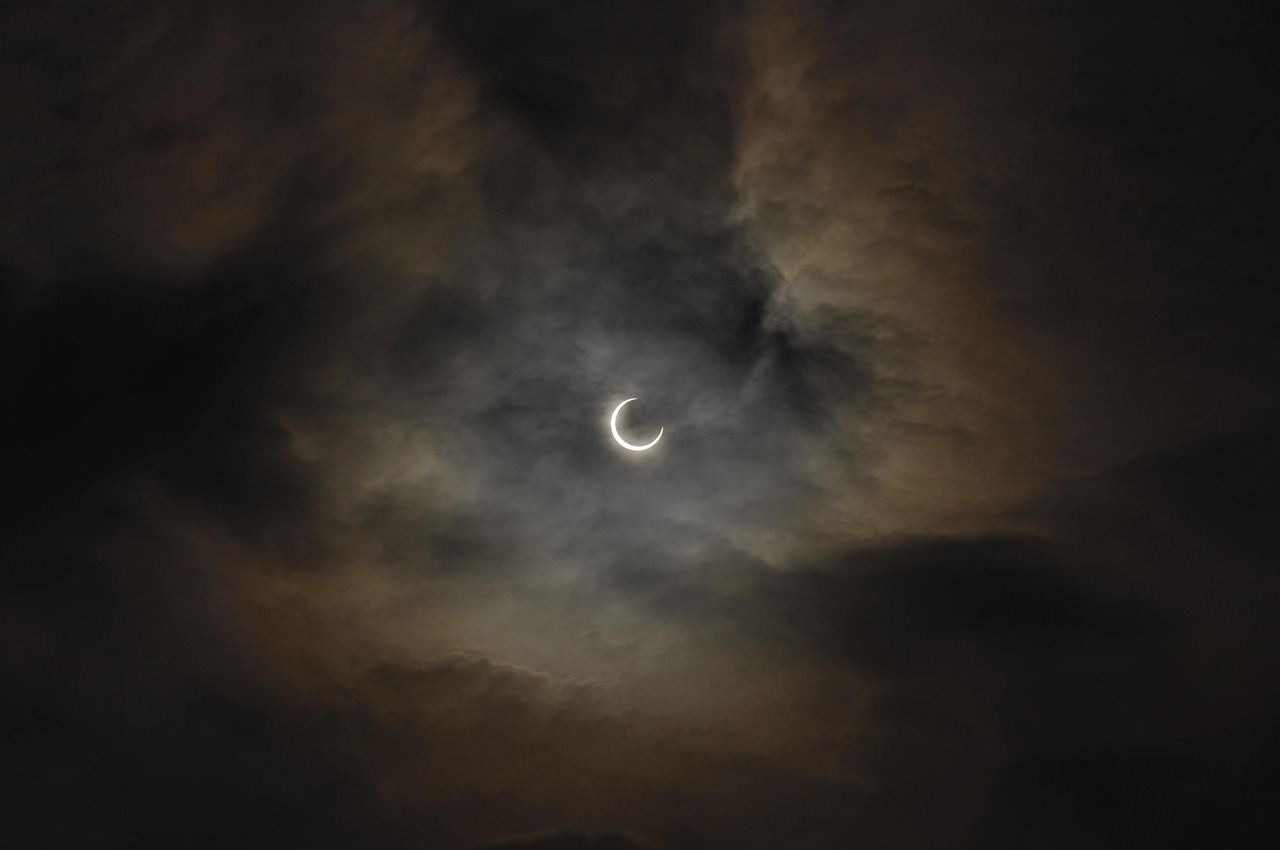
Eclipse chasing isn't just about watching the event; it's an intricate logistics mission involving data analysis, planning, and a global community of enthusiasts.
Getting started with eclipse chasing as a beginner means planning your travels to find the best locations in the path of totality. This shadow is about 100 miles wide and moves quickly.
Unlike stargazing or astronomy photography, eclipse chasing means being inside that shadow, experiencing totality firsthand, not just observing from afar.
Eclipse chasing involves planning extensive travel to locations within the path of totality for solar eclipses, analyzing weather forecasts, creating maps, and coordinating logistics for optimal viewing. Enthusiasts engage in the physical act of witnessing totality firsthand, often capturing the phenomenon through photography or participating in community projects like documentaries and artwork.
Eclipse chasing creates a cycle of purposeful anticipation driven by a longing to re-experience the profound impact of totality, fostering a sense of accomplishment through overcoming travel challenges and forming social bonds within the chasing community. This hobby induces a flow state via intricate preparation and culminates in the immersive experience of totality, resetting motivation for fut…
You think eclipse chasing is just standing outside and looking up. Maybe you've seen the photos – people in a field, cardboard glasses, one dramatic moment, done.
That's not the hobby. That's just what the hobby looks like from the outside.
Eclipse chasing is a logistics challenge months before totality. You're reading atmospheric models and booking flights to obscure locations. Contingency routes depend on cloud cover forecasts.
The two-minute totality isn't the reward. It's proof your planning paid off. Chasers refine this experience continuously – whether through photography setups, observation sequences, or noting corona details.
A global network of chasers supports each other. They share data, coordinate chase vehicles, and treat each eclipse like an expedition. You don't just stumble into this; you're drawn in.
A retired meteorologist named Glenn Schneider has seen 35 total solar eclipses. He doesn't just show up. He calculates flight paths to maximize totality from 35,000 feet, gaining extra seconds in the umbral shadow.
Most hobbyists never get that deep. But knowing this level exists can change your start.
Your first chase is more accessible than Glenn's approach. That's the real entry point into this intriguing world.
Watching eclipse footage gives the illusion that it's simple. In reality, it involves a lot of planning, weather tracking, and driving long distances for those fleeting moments of totality.
Beginners often skip the weather app. They assume any clear day will work. Soon, you'll track multiple forecasts and have backup plans far from home.
The first time feels like failure if something blocks your view. That's when most face a choice: stick with it or move on. It's all part of evolving from curious onlooker to dedicated chaser.
The path of totality isn't a suggestion. Being outside it, even by 50 miles, means missing the true experience. This mistake is common but avoidable.
Next, we'll explore the mistakes that lead to these disappointments and how to steer clear of them.
When to start: Morning
Duration: 2 hours
Cost to try: $5
Success criteria: If you finished without experiencing an eclipse, do session 2.
Everyone aims for the center of totality – leading to sold-out hotels or ridiculous rates 18 months in advance.
Stay 45–60 minutes away from the centerline and drive in on the day. You'll lose maybe 10 seconds of totality but save hundreds and avoid frustration.
A week-out forecast is basically a coin flip with meteorological terms.
Grab 72-hour cloud-cover maps from Windy.com or Clearoutside starting three days out. Plan a backup spot 1–2 hours in a clearer direction.
New chasers think the whole eclipse is photo-worthy. It's not.
Partial phases are safe but unimpressive. Put the camera down during totality and witness it; your eyes see more than a camera.
Trained yourself to be cautious with filters? Totality
hits and a forgotten filter ruins the view. Set a phone alarm labeled "REMOVE FILTER" for 30 seconds before second contact. Use GPS coordinates from NASA's eclipse map.
Planning for a mountain backdrop? Mountains generate their own weather right when you don't want it.
Check historical cloud data via the NASA Surface Meteorology database. Flat and arid beats scenic but overcast.
Eclipse chasing means going where the shadow leads – think open fields, hilltops, or coastlines.
Dark sky locations are the real deal for clear views above and beyond any obstructions.
Simply saying, "This is my first totality – I have binoculars and no idea what I'm doing" often gets you help with setup and positioning.
Standing in the path of totality is the pinnacle of eclipse watching. The moon fully blocks the sun, creating a brief but intense moment of darkness.
Perfect for travelers willing to venture to remote areas, where totality uniquely occurs.
An annular eclipse creates a glowing ring around the shadowed moon. This visually stunning effect happens because the moon is too far from Earth to completely block the sun.
Ideal for frequent chasers who want more opportunities to experience the sky's wonders.
A lunar eclipse can be watched from your backyard, as long as the night sky is clear. The moon turns a stunning red over hours, allowing you a relaxed viewing.
Best for beginners who want a no-travel, low-effort introduction to eclipse chasing.
Hybrid eclipses are rare, transitioning between annular and total, adding complexity to the experience. Successfully positioning yourself to see both transitions is a skill.
Suited for advanced chasers who enjoy a strategic planning challenge.
Some paths of totality are in challenging terrains like oceans or polar regions, requiring more extreme efforts. Chasers book expeditions to reach these remote areas.
This is for seasoned chasers looking to turn eclipse chasing into an intense expedition.
Technical Diving is a sibling pursuit and often surfaces the same kind of curiosity.
Wilderness Survival is a sibling pursuit and often surfaces the same kind of curiosity.
Some of the same instincts show up in Bottle Digging — worth a look if this clicked.
Most beginners obsess over gear – the best camera, the longest lens, the perfect filter setup. The equipment isn't the bottleneck.Their location strategy is.
Real-time cloud corridor reading is the secret to success. This means knowing how to interpret regional weather patterns just before totality. It sometimes involves a drive –100+ miles– to find a clear sky.
It's not about checking an app. It's about reading satellite imagery, using mesoscale forecast models, and understanding cloud movements. Then making a confident decision with only 4 hours left.
Chasers with this skill watch totality in all its glory. Those who don't, stand under clouds with $3,000 in gear and a story they'll tell for the wrong reasons.
The eclipse couldn't care less about your prep work. Without this skill, your planning is left to chance.
Master this skill to change your eclipse experience. Next, find out how weather apps usually fall short and which tools experts rely on.
Commit to three planning sessions over 30 days. Study past eclipse paths, plan logistics for a future event, and dive into an online community where chasers share insights.
If you're already watching totality footage at midnight and building a spreadsheet for 2026, you're hooked. Start booking even a partial eclipse trip nearby to make it real.
If the research felt fine but forgettable, that's a clear sign. Indifference during planning means the event won't save the experience for you. Eclipse chasers describe the effort as integral to the journey – without that, the result won't resonate.
If you felt the logistics were oppressive and the weather anxiety-provoking, this hobby might not be for you. Accepting that clouds could erase years of planning is essential. If that's daunting, consider it your answer.
The one sign you shouldn't ignore is checking eclipse paths without prompting. If you're already noting which highways intersect paths or scouting hotels in the path, you're already engaged.
Looking for something lighter? Our boredom-busters guide is built for exactly that.
A total solar eclipse's totality phase typically lasts between 2 to 7 minutes, depending on your location and the specific eclipse. Most observers experience totality for around 3–4 minutes, which is why eclipse chasers carefully plan their positions to maximize this brief but extraordinary window.
During totality, the Moon completely blocks the Sun's disk, revealing the Sun's outer atmosphere (the corona) as a glowing white halo. The sky darkens dramatically, stars become visible in daylight, and the temperature drops noticeably—it's an otherworldly experience that no photograph or video can fully capture.
Costs vary widely depending on how far you travel and your accommodations, ranging from $500 to $5,000+ for a single eclipse trip. Budget typically covers travel, lodging, special viewing equipment, and sometimes organized tour packages that handle logistics and location scouting.
Yes, you must use certified eclipse glasses or solar filters to safely view the partial phases before and after totality. During totality itself, you can look directly at the eclipse without protection, but once the Sun begins to reappear, you need protection again.
Eclipse chasers typically plan 6–12 months ahead to secure flights, accommodations, and finalize viewing locations, as popular spots book up quickly. The best path-of-totality locations can fill months before the event, making early planning essential for flexibility.
No—eclipse chasing is accessible to anyone with a willingness to travel and basic planning skills. Beginners can join organized tours that handle all logistics, or simply travel to the path of totality independently with minimal equipment beyond eclipse glasses.