BoredomBusted — Find Your Next Favorite Thing To Do
Discover hobbies, activities, places, and ideas that spark joy. Whether you're looking for something creative, active, social, or relaxing, BoredomBusted helps you find your next favorite thing to do.
Browse our hobby guides, things-to-do collections, and place ideas to never be bored again.
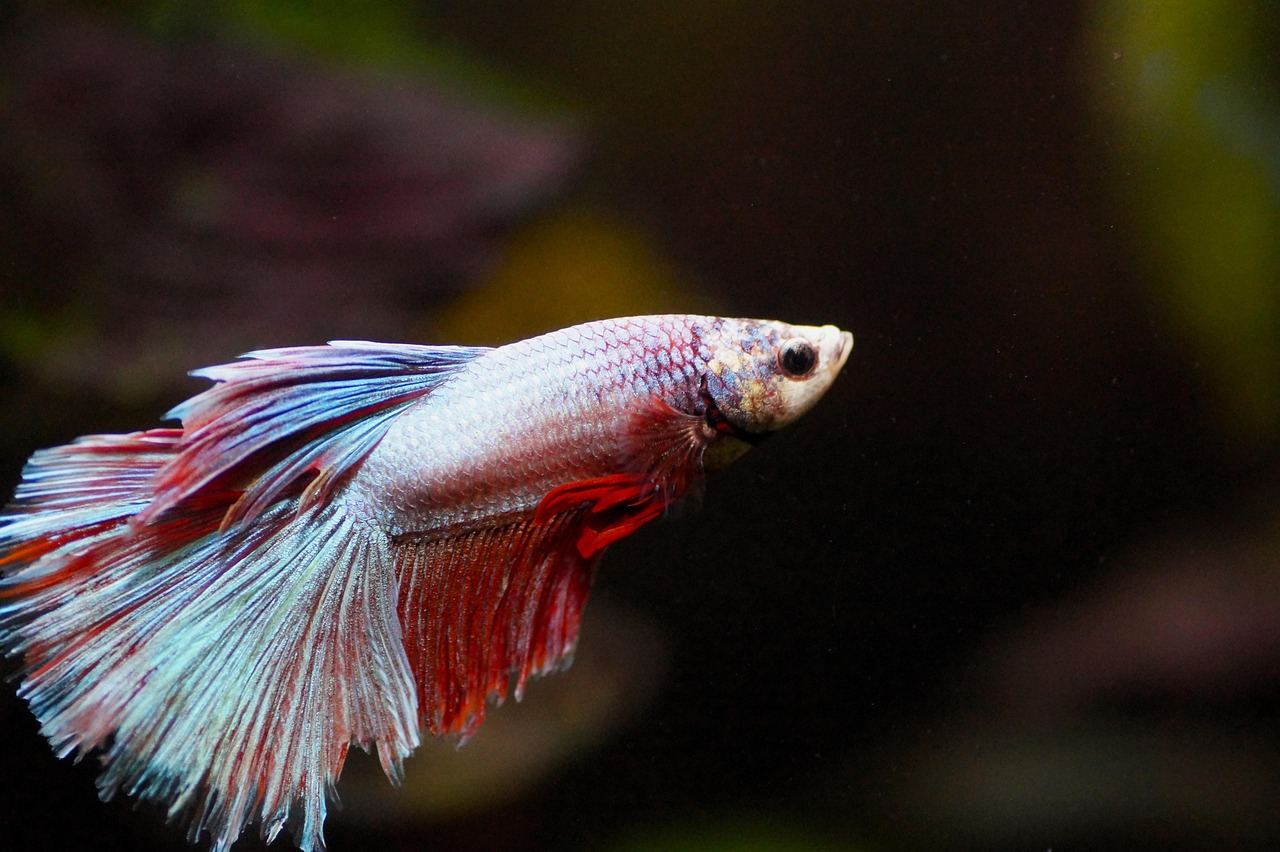
Aquarium keeping isn't just about fish — it's a complex ecosystem where understanding the nitrogen cycle and managing water chemistry is key to success.
Getting started with freshwater aquarium keeping as a beginner involves creating a balanced aquatic ecosystem within a glass or acrylic tank. You manage water chemistry, filtration, plants, and fish — all at once.
Buying fish is the easy part. The real hobby is environmental design — shaping water parameters, balancing plant growth, and building a system that sustains itself.
Unlike saltwater reefing, freshwater setups are far more forgiving and affordable — but the complexity runs deep enough to keep people hooked for decades.
In freshwater aquarium keeping, you engage in routine maintenance tasks such as testing water chemistry, performing partial water changes, cleaning equipment, feeding fish, and observing their behavior, all while meticulously arranging plants and decor to create a balanced aquatic ecosystem.
This hobby induces a flow state through immersive, focused tasks and provides immediate skill feedback via visible changes in fish behavior and water parameters, fostering a sense of accomplishment as you maintain a thriving ecosystem.
You think it's a fish tank. Fill it with water, drop in some fish, and feed them every morning. Done.
That assumption is why most beginner tanks crash inside 60 days.
A 20-gallon planted tank is a complex system. Light schedules, CO2 levels, substrate choices, and water parameters must all interact correctly.
Get one variable wrong and the whole thing tells you.
Get it right and the tank basically runs itself.
You're curious about the nitrogen cycle already. That's where this gets really interesting.
Your first setup feels nothing like the videos. Instead of serenity, you're met with a bucket of gravel and a manual that seems to defy logic. The water stays cloudy, and you wonder if you've done something wrong.
Cycling is a surprise lesson for most beginners. Setting up the tank is only part one. You can't add fish immediately, and the anticipation makes time stretch.
Cloudy water. A test kit you don't fully understand yet. Nothing is visibly happening. However, the nitrogen cycle is crucial — and not a design flaw — to keeping your fish alive.
Never buy a tank and fish on the same day. Stores won't necessarily warn you, but an uncycled tank can fatally shock fish within 48 hours. Knowing this prevents heartbreak — and wasted money.
Now, let's address common mistakes that keep new aquarists feeling stuck in the chaos instead of moving towards those serene YouTube shots.
When to start: Morning
Duration: 1-2 hours
Cost to try: $20
Success criteria: If you end the session with a leveled gravel bed, filled and conditioned tank, and 2-3 plants placed where you want them, do session 2.
A crystal-clear tank looks safe for fish, but a newly set up aquarium hasn't balanced the nitrogen cycle yet. Without this, your fish are at risk from toxic spikes of ammonia and nitrites.
Run a fishless cycle first: add ammonia daily, and wait for levels to reach 0 ppm ammonia, 0 ppm nitrite, and rising nitrate. That's when your tank is truly ready.
That tiny 2-inch fish in the cup may grow to 12 inches in a year. Tags at pet stores won't tell you that.
Check Seriously Fish for accurate details on adult size, temperament, and tank requirements before buying anything.
Fish instinctively beg, and uneaten food can quickly rot and spike ammonia levels, leading to a deadly environment.
Feed what fish consume in two minutes, once or twice a day, and skip feeding entirely one day each week.
Doing a full clean of your filter and substrate at once makes sense for cleanliness, but it destroys your beneficial bacteria.
Stagger cleaning tasks by two weeks. One week, vacuum the gravel. The next, rinse the filter media in old tank water.
Constantly adjusting pH with chemicals causes more harm due to fluctuations than a stable but less-than-perfect pH level.
Pick fish that naturally thrive in your tap water's range. A guppy happy in hard water is far better off than a discus stressed in perpetually adjusted softness.
Freshwater aquarium keeping happens at home. Your living room, bedroom, or basement can transform with just your first tank.
Local fish stores are more than shops. They often serve as community hubs for aquarium enthusiasts.
Walk into a club and say you're new. Just set up your first tank, and you're unsure about the cycle. This opens doors to free water testing, advice from veterans, and often some starter fish or plants at no cost.
Experienced hobbyists are eager to help—just ask for guidance.
Fish, live plants, and a balanced ecosystem all in one tank. The best entry point for beginners wanting to learn the fundamentals that all variants build on. Be prepared to spend an extra $30–50 on substrate and lighting to support plant growth.
Create a specific natural habitat like one region of the Amazon. Fish, plants, and decor must belong there in real life. If you enjoy research and authentic setups, this is your challenge.
Cichlids are aggressive and territorial. More about behavior dynamics than visual decor – manage a social hierarchy instead of just decorating. Perfect for those who find community tanks too peaceful.
Focus on shrimp and plants in a small tank. Low initial cost, higher obsession cost once you start chasing rare colors. Ideal for patient hobbyists into detailed, compact ecosystems.
Mimic slow jungle rivers with tannin-stained water. Suits specific fish better than standard tanks. Aimed at intermediate keepers looking for both visual and biological challenge.
Readers who enjoy this often gravitate toward Saltwater Aquarium Keeping next.
Jigsaw Puzzles lives in the same world — different mechanics, similar appeal.
A close neighbor worth considering: Crossword Puzzles.
Most beginners fixate on the fish and décor — arranging a room without checking if the plumbing works.
The crucial skill is reading water parameter trends, not just single readings.
A single test tells you your current state. Multiple tests — same time each week, carefully logged — reveal your direction. This is how you spot a problem before it starts and avoid the mess of a crash.
When you track over time, you become proactive instead of reactive. Spot rising nitrates or ammonia spikes before they harm your fish. Otherwise, you're guessing without data, hoping for the best.
Inspect your tank four times over 30 days, roughly once a week. That's the natural maintenance rhythm of this hobby.
Planning your next livestock addition before settling the current one is the signal. You're not just doing maintenance; you're actively thinking as part of the hobby. Explore more complex setups or new species next.
Four checks done without any strong feelings typically means the tank is stable, but you're not drawn into the process. Try adding a single memorable species or experiment with aquascaping to spark interest.
Resenting each water change and feeling relief afterwards isn't about a poor attitude. It clearly indicates this activity may not be satisfying. Some people simply prefer hands-off hobbies.
If you're caught watching your tank when there's nothing to do, like feeding or changing water, that's the pull of aquarium keeping. It separates those who simply maintain a tank from those who truly engage with it.
Freshwater Aquarium Keeping is a deeper commitment than most boredom cures — for lighter options, check things to do when bored.
A basic 10-20 gallon setup typically costs $150–$300, including a tank, filter, heater, substrate, and decorations. Entry-level equipment is affordable, but larger tanks and advanced filtration systems can increase costs significantly. Most beginners should budget $200–$400 for a reliable starter setup that will support healthy fish.
The nitrogen cycle typically takes 3–6 weeks to establish naturally, though you can speed this up to 1–2 weeks using established media or bacterial supplements. Cycling prepares the tank's filter to handle fish waste safely, preventing dangerous ammonia spikes. Testing water parameters regularly during this period is essential for fish safety.
Hardy species like bettas, guppies, danios, and corydoras catfish are forgiving of beginner mistakes and require minimal equipment. Goldfish and plecos are popular but need more space and maintenance than their reputation suggests. Start with small, peaceful community fish to learn basics before attempting complex biotopes or aggressive species.
Weekly 20–30% water changes and filter maintenance are the foundation of healthy tanks. Daily tasks include feeding and checking for obvious problems, while monthly deep cleaning of the filter and substrate keeps the ecosystem stable. A well-maintained tank requires 1–2 hours per week, though beginner tanks may need more frequent attention.
Monthly costs typically run $10–$30 for food, water treatments, and filter replacements once your initial setup is complete. Unexpected expenses like fish medication or equipment replacement can occur, but a basic tank is generally affordable to maintain. Planning a small emergency budget for unexpected issues helps prevent stressful situations.
Yes, live plants thrive in most freshwater tanks and provide oxygen, natural filtration, and aesthetic appeal while reducing algae. Easy plants like anubias, java fern, and java moss require minimal light and fertilizer, making them ideal for beginners. Plants benefit both fish health and water quality, creating a more balanced ecosystem.