BoredomBusted — Find Your Next Favorite Thing To Do
Discover hobbies, activities, places, and ideas that spark joy. Whether you're looking for something creative, active, social, or relaxing, BoredomBusted helps you find your next favorite thing to do.
Browse our hobby guides, things-to-do collections, and place ideas to never be bored again.
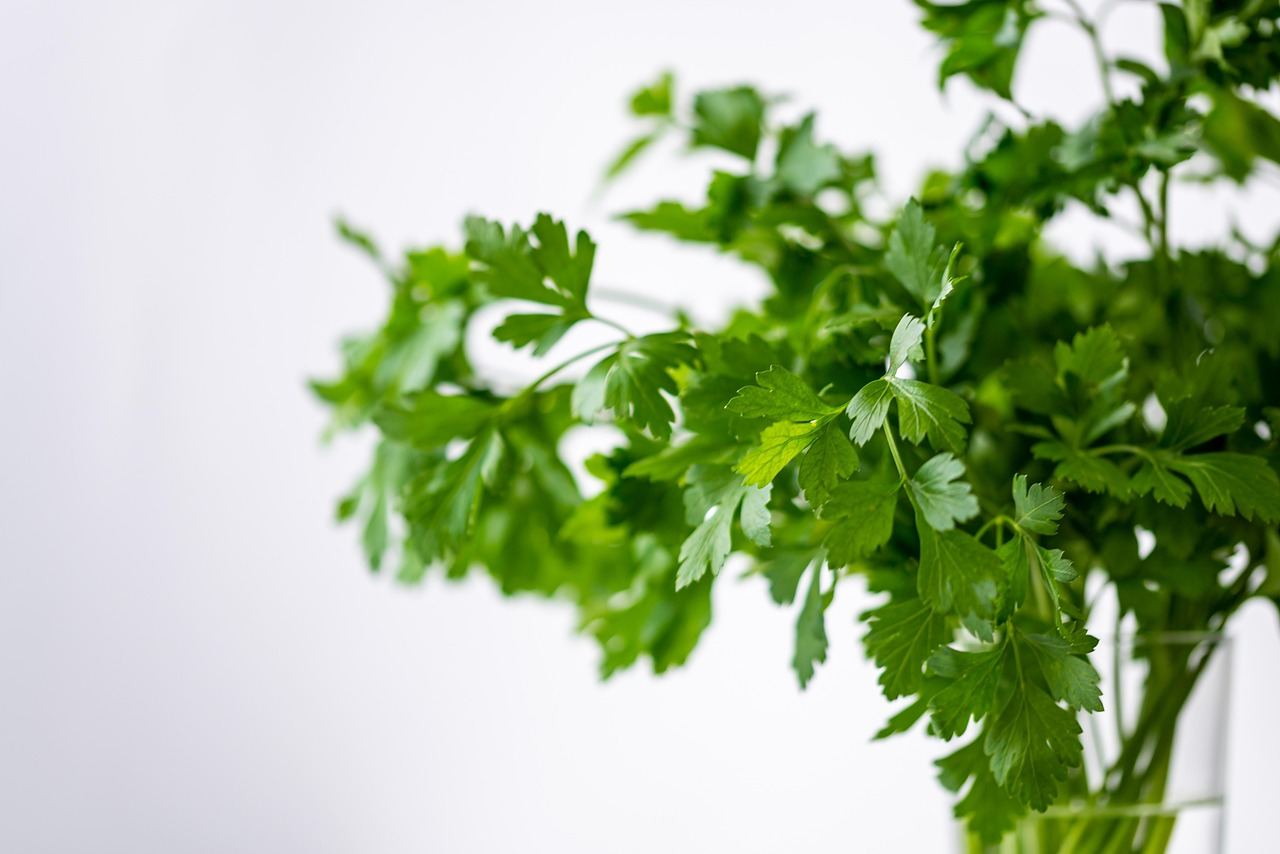
Herb gardening isn't just a decorative task; it's a crash course in plant ecology, where too much love can often kill your plants instead of help them thrive.
Getting started with herb gardening as a beginner allows you to cultivate flavorful plants for cooking, medicine, or fragrance in any space available to you. You plant, water, prune, and harvest on a weeks-long cycle.
Unlike vegetable gardening, the payoff is immediate and edible:
Herb gardening involves selecting herbs based on personal needs, preparing soil and planting seeds or cuttings, caring for plants through watering and pruning, and harvesting herbs for culinary or medicinal use. This includes tasks like grouping plants by sunlight requirements, propagating cuttings, and planning for seasonal growth.
Herb gardening creates a flow state through hands-on, rhythmic activities like cutting and planting, offers incremental skill feedback as plants thrive or fail, and provides a sense of accomplishment from cultivating a garden that addresses personal needs, transforming routine into rewarding productivity.
You think herb gardening is just about a windowsill basil plant. A little pot, a sprinkle of water, a lovely aroma in the kitchen.
That's why so many quit by week three.
It's not just a hobby; it's an education in living systems.
A friend once ignored a rosemary plant for two years. Only when she learned it thrived in poor soil and little water did she stop fussing over it.
Within a month, it doubled in size.
It wasn't struggling from neglect; it was cared for wrong. That gap between intention and knowledge is exactly what the next section closes.
Planting a windowsill garden sounds straightforward – put seeds in dirt and wait. But when you do it, waiting feels endless.
The hard part isn't skill, it's patience. Days can pass with no visible change, challenging your enthusiasm.
At first, you'll check constantly, unsure if you're watering too much or too little. Watering on a schedule often backfires. Plants suffer more from overwatering than neglect – always test the soil itself.
The moment you start noticing light patterns and water needs, the frustration begins to fade. This is where observation turns into understanding. Don't quit when things seem dead. It's just before they start thriving.
Next, we'll explore the common mistakes that trap newcomers in endless troubleshooting.
When to start: Early morning
Duration: 1 hour
Cost to try: $15
Success criteria: If you planted each herb in its own labeled pot, watered them lightly, and set them in a sunny windowsill, do session 2.
Mint might look harmless sitting next to basil at the garden center, but it will quickly start dominating other herbs in the same container.
Always give mint its own pot. Pair other herbs according to their water needs, such as thyme and rosemary together, or basil and parsley.
A daily watering schedule feels diligent but often leads to overwatering.
Stick your finger an inch into the soil. If it's still damp, wait another day before watering again.
New growers often take too little during harvests, fearing they might damage the plant. This actually lets the plant become woody and bitter.
Cut back up to one-third of the plant at once. Snip above a leaf node to encourage bushy growth instead of letting it go to seed.
Seeds need 3–6 weeks to mature into usable plants, a reasonable timeline in March but impractical by July.
Opt for nursery transplants during the mid-season. Save seeds for an early-spring planting next year.
A pretty windowsill with limited light won't keep plants happy. In just a week, basil will show signs of stress by wilting and turning yellow.
Use a free light-meter app to determine your sunniest spot. Choose herbs that thrive with the amount of light that spot provides.
Herb gardening can thrive in many spots. Whether it's a backyard, balcony, community plot, or windowsill, these spaces provide enough light and room.
For indoor setups, all you need is a south-facing window or a basic grow light.
Walk in and say: "I'm starting out—I've got [your space] and don't know what thrives here." The right person will give you a plant list suited to your conditions, not just generic advice.
You can grow herbs in pots on a windowsill or under a grow light. This removes the need for a yard or worrying about the weather.
Perfect for apartment dwellers or anyone in a climate with unreliable outdoor growing conditions.
A raised bed of amended soil offers more growing space and improved drainage compared to planting directly in the ground. It's ideal for those who want significant harvests, like enough basil to make pesto instead of just a garnish.
Expect to spend $50–$150 building or buying a basic raised bed setup.
Hydroponics replaces soil with nutrient-rich water, accelerating plant growth but needing more attention.
Ideal for those who love tinkering with gear and can invest $80–$150 in a countertop kit that simplifies the process.
Shift your focus from cooking to functionality, growing plants like valerian, echinacea, or lemon balm.
Suited for those curious about herbal wellness who seek more depth than culinary herbs offer.
The classic method: dig, amend, and plant directly into garden soil. It's lower cost than raised beds but offers less control over soil quality and drainage.
Best for those with good garden soil and space for perennial herbs like mint and oregano to spread.
Vegetable Gardening is a sibling pursuit and often surfaces the same kind of curiosity.
Indoor Gardening is a sibling pursuit and often surfaces the same kind of curiosity.
Beginners often fixate on watering schedules and sunlight, hoping spreadsheets will save their basil. The real lever is learning to read plant stress before it becomes plant damage.
Develop pre-symptomatic observation skills by identifying slight changes in leaf texture, color, or stem angle 48–72 hours before obvious wilting sets in. It's not intuition.
It's a trained eye recognizing 'almost wrong' as a hint.
Catching stress early means you're preventing instead of reacting. Herbs forgive early intervention far more than late rescue.
Lose this skill, and your garden lives on a knife's edge—a single bad week can mean no recovery.
Try 8 sessions over 30 days – about twice a week. You'll experience germination, initial growth, and make early care decisions without letting your plants wither.
If you found yourself peeking behind the curtain just to check on the plants, that's the tell. It's not about perfect plants, but about that curiosity. You're already hooked. Try adding a second container, introduce a new herb variety, and explore companion planting.
The sessions were fine but nothing pulled you back. That's not unusual. Herb gardening starts slow – mostly waiting at first. If indifferent but not annoyed, push through with four more sessions. The reward of cooking with your own herbs shifts your perspective.
If the watering routine felt like a chore, that's a clear signal. Some people just don't enjoy the maintenance aspect. It's not a flaw in you—it's key data about your preferences.
The sign you can't ignore: you're at the store sniffing herbs and wondering which ones you could grow. Specifically reading the tag on a basil plant and questioning its backstory. That curiosity about growth, beyond just the result, is key.
Sometimes you just need something for the next ten minutes — that's what things to do when bored is for.
You can start herb gardening with as little as a windowsill, a small balcony, or a 2x2 foot corner of garden space. Even a few pots on a kitchen counter work perfectly for beginners, since most culinary herbs are compact and adapt well to containers.
Basil, mint, and parsley are the most forgiving herbs for new gardeners—they grow quickly, tolerate inconsistent watering, and thrive indoors or outdoors. These three are also highly rewarding since you can harvest them regularly within weeks of planting.
Most culinary herbs are ready to harvest in 4–8 weeks, depending on the variety and growing conditions. If you want faster results, buying seedlings from a nursery cuts this time in half and is perfect for beginners.
No—organic herb gardening requires just basic supplies like soil, pots, and water. Natural pest control methods like companion planting (growing basil near tomatoes, for example) and homemade sprays keep your herbs chemical-free without extra equipment.
Yes, most herbs thrive indoors with adequate light (a sunny windowsill or grow light works well) and proper watering. Basil, mint, chives, and parsley are especially well-suited to indoor gardening and provide fresh harvests throughout the year.
A beginner herb garden costs $15–$50 depending on whether you use seeds or seedlings and repurpose containers you already own. Seeds are the most economical option, while a few quality pots, soil, and starter plants from a nursery keep startup costs very low.