BoredomBusted — Find Your Next Favorite Thing To Do
Discover hobbies, activities, places, and ideas that spark joy. Whether you're looking for something creative, active, social, or relaxing, BoredomBusted helps you find your next favorite thing to do.
Browse our hobby guides, things-to-do collections, and place ideas to never be bored again.
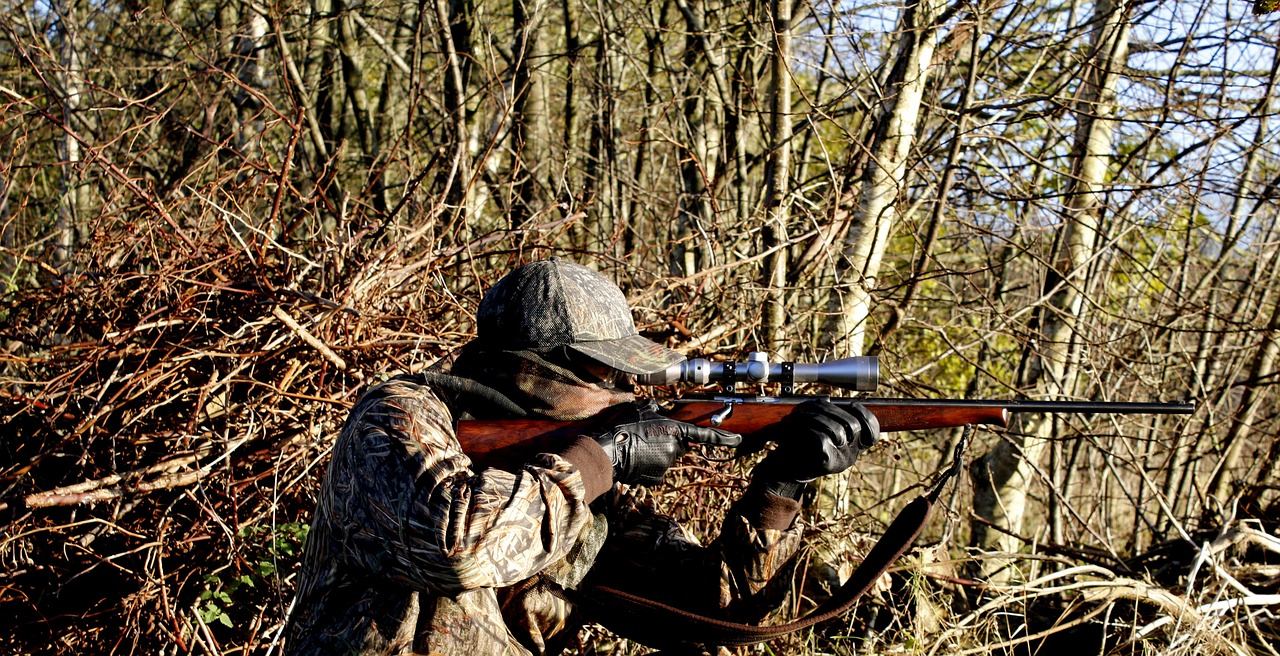
Hunting isn't just about killing; it's a conservation effort that builds community and demands respect for wildlife and ethical practices.
Getting started with hunting as a beginner offers a unique way to connect with nature while tracking and pursuing wildlife for food, conservation, or recreation. It's not just about shooting; it's about understanding ecosystems and your place in them.
Preparation and patience define the experience. Researching animal behavior, understanding the terrain, and fine-tuning skills like marksmanship are essential.
In the field, you may spend hours waiting for the right moment. Many hunters find fulfillment in the process rather than the result, respecting ethical considerations that guide sustainable practices.
Teamwork is a crucial element. Whether learning from an experienced hunter or collaborating to drive game, hunting is often a shared experience.
Strict regulations shape the hunt. Adhering to them ensures sustainability, making legal compliance as important as the pursuit itself.
Hunting involves tracking and pursuing game animals using various methods such as firearms or bows. It requires preparation, field skills, and adherence to local laws.
Hunting engages your mind and body, requiring focus and strategy, which can provide a refreshing escape from routine. The challenge and unpredictability keep it engaging.
You might think hunting is just a lone pursuit focused on taking animal lives. There's this image of hunters as rugged loners caught up in the thrill of the chase.
Hunting is actually driven by a commitment to conservation. Hunters actively contribute to wildlife management and habitat preservation. Through licensing fees and taxes on equipment, they provide essential funds for maintaining healthy ecosystems.
Ethical hunting is about respect and fair play. Hunters follow a code of conduct that stresses humane methods and the idea of a fair chase. Animals are given a fighting chance, meaning hunters need skill, knowledge, and self-control.
Hunting builds strong communities. Hunters often form deep connections with mentors, family, and fellow enthusiasts. Sharing these experiences strengthens bonds and offers chances to teach and learn.
Patience. Strategy. Resilience. Tracking animals demands understanding behavior and environment. These skills offer mental challenges that rival the physical ones, making hunting a deeply rewarding pursuit.
Week one of your hunting adventure kicks off with preparation in full swing. You'll dive into acquiring the essential licenses and picking up your gear, sorting through firearms, bows, clothing, and other accessories. Beginners often feel lost in the choices, but this is the time to grasp the fundamentals and hunting regulations in your area.
Week two takes you out into the field, perhaps for your first hands-on experience. The quiet envelops you, interrupted only by rustling leaves and distant calls of animals. You're suddenly attuned to everything — the scent of pine, the complexity of animal tracks. It's a sensory alertness that surprises many new hunters.
By week three, challenges mount up. The initial excitement wears thin as the physical and mental strains appear. Seeing no game around might leave you questioning your abilities, but this phase is vital for building patience and valuing the journey itself.
In week four, an internal rhythm emerges. Moving quietly through the woods becomes second nature, and reading the landscape for signs of wildlife feels more intuitive. Whether or not you've bagged your first game, you'll feel rooted in your surroundings and confident in what you've learned.
When to start: Any early morning
Duration: 2 hours
Cost to try: $50
Success criteria: If you feel comfortable with basic skills and enjoy the experience, plan your next outing.
Underestimating animal behavior leaves beginners unprepared. Spend time in the field before hunting season, studying terrain and wildlife movements.
Novices often miss shots or injure animals due to confidence in untested skills. Regular practice at a shooting range and knowing your limits are essential.
Excited newcomers often pack too much or forget basics. Make a checklist from veteran hunters' advice and test gear beforehand.
Unpredictable weather catches many off guard. Check forecasts and wear layers to adapt to changes.
Lack of knowledge can lead to legal issues. Read local laws thoroughly and consider taking a safety course.
Join r/hunting on Reddit first. You'll get tips, hear stories, and find out about upcoming group hunts.
For local hunts, search Meetup.com for hunting clubs or associations nearby. There's probably a group gathering this weekend.
Don't forget to contact the National Rifle Association or local wildlife agencies. They run workshops and community hunts open to newcomers.
Local hunting stores are goldmines for info. Ask the staff about upcoming community events or resources.
At your first event, say hi and mention you're just starting out. Eager beginners often find mentors willing to share their knowledge.
Bowhunting requires getting up close due to the shorter range of bows. It's perfect for those who crave a more intimate, challenging experience involving patience and precision.
Upland bird hunting is fast-paced, covering various terrains. Ideal if you love working with dogs and enjoy active hunts.
Waterfowl hunting targets ducks and geese near wetlands. The draw is in the strategy of decoy placement and the thrill of overhead flocks.
Big game hunting is for those who track larger prey like deer or moose. Great for adventure seekers who love long treks and complex gear setups.
Small game hunting, like for rabbits, is accessible with minimal equipment. Perfect for beginners or those wanting a relaxed, close-to-home option.
Peak Bagging is a sibling pursuit and often surfaces the same kind of curiosity.
If this resonates, RV Camping explores a similar direction.
If the texture of this appeals to you, Backpacking is built on similar bones.
The single most crucial skill in hunting is situational awareness. It's about tuning into your environment and catching the subtle cues it offers. Without this, you'll miss opportunities and make blunders that scare away game.
Hunting is never static. Animals move. Weather shifts. Landscapes change.The hunter who adapts to these dynamics gains a real edge.
Even the best gear won't save you if you lack awareness. You'll miss a deer's rustle or overlook the wind shifting your scent toward your target.
Enhance your awareness by practicing observation drills. Spend time in nature without aiming to hunt, just noting every detail around you.
Mindfulness exercises like deep breathing or meditation improve focus. They help keep distractions at bay and keep you present.
Team up with seasoned hunters in mock scenarios. Their insights on environmental signs can elevate your skills immensely.
Plan for four hunting trips this month. This lets you experience various conditions and get a complete picture of what hunting involves.
If you find yourself exhilarated and fulfilled, that's a strong signal. The thrill and the connection to nature might mean you've found something rewarding. Next step: consider investing in better equipment and perhaps taking a course to deepen your skills.
If hunting felt less exciting than anticipated, take note. Maybe the early starts or long waits didn't fit your personality. Try one more trip during a different season before making a final decision.
Hunting might feel interesting but not yet fully captivating. If aspects intrigue you but don't fully engage your passion, give yourself time. Consider learning more about the wildlife and habitats to deepen your interest.
Persistent planning for more than the immediate trip reveals genuine interest. If you find yourself researching new hunting gear or locations in your spare time, that's a clear indication this hobby might be for you.
Sometimes you just need something for the next ten minutes — that's what things to do when bored is for.
Initial costs can be high due to gear, licenses, and permits. Expect to spend at least $500 for basic equipment.
Start by taking a hunter safety course, obtaining necessary licenses, and investing in basic gear. Joining local hunting clubs can also provide guidance.
A few hours per month for casual hunting, but more time is needed if you wish to become proficient.
Yes, it can be challenging due to the skills and patience required. However, with practice and guidance, beginners can become successful.
Safety, understanding regulations, and ethical hunting practices are common concerns. Education and mentorship can address these issues.
Consider planning trips to designated hunting areas or connecting with local clubs that organize expeditions.