BoredomBusted — Find Your Next Favorite Thing To Do
Discover hobbies, activities, places, and ideas that spark joy. Whether you're looking for something creative, active, social, or relaxing, BoredomBusted helps you find your next favorite thing to do.
Browse our hobby guides, things-to-do collections, and place ideas to never be bored again.
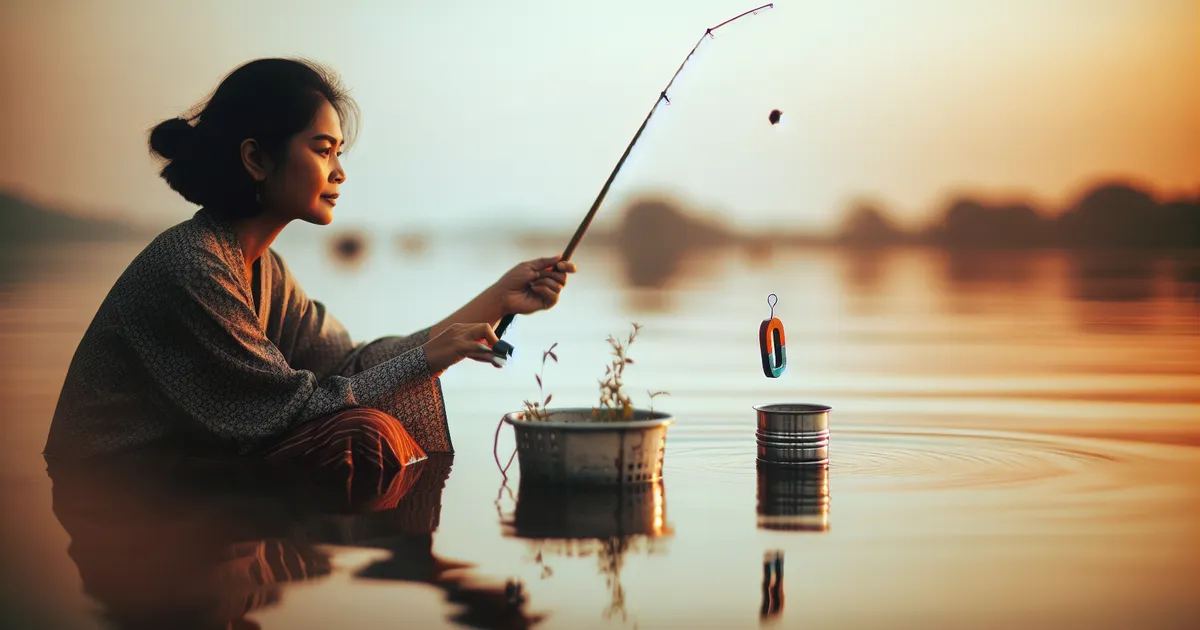
Magnet fishing isn't about junk retrieval—it's the thrill of historical sleuthing that turns rusty finds into captivating stories of the past.
Getting started with magnet fishing as a beginner involves using a strong neodymium magnet to uncover hidden treasures beneath the water's surface.
You tie the magnet to a rope, throw it in, and drag.
Unlike metal detecting, you're working blind and wet – the find reveals itself only when it breaks the surface.
Magnet fishing involves selecting a body of water, attaching a powerful neodymium magnet to a braided rope, and casting it into the water to retrieve metallic items from the bottom. Practitioners wear cut-resistant gloves for protection, feel for resistance while reeling in, and inspect the retrieved items, which can range from rusty tools to historical artifacts.
This hobby stimulates a thrill of discovery and anticipation as each cast holds the potential for uncovering unique finds, fostering a flow state through repetitive casting and handling, and providing a sense of accomplishment with each successful haul. The engaging unpredictability along with community validation of discoveries combats feelings of boredom and emptiness.
You think it's fishing for junk. A magnet on a rope, a murky canal, and a pile of rusted bottle caps. That's the assumption – and it's costing you the actual point.
It's not just about the objects you pull up – it's the history they reveal. A corroded iron plate leads you to hours of research on local bridges, floods, or an old factory that once stood in your town.
Magnet fishing turns every location into a living puzzle. You'll find yourself scanning maps, researching old rail lines, and talking to locals to piece together stories from the past.
The community thrives on this shared curiosity. People post their finds online, and strangers identify them within hours. Suddenly,a chunk of metal becomes an international conversation.
A guy in the Netherlands pulled up a cast-iron stove door from a canal. He had no idea why it was there. Six months of follow-up later,he traced it back to a WWII bombing raid. The magnet cost him €30, but the connection to history was priceless.
The gear is almost insultingly simple – and that's exactly where most beginners make their first mistake.
Watching a rusted bike frame pulled from a canal seems thrilling. Your own first session unfolds quite differently.
An untouched canal conceals only what you imagine might be there. Each throw becomes an event, but your finds are mostly mundane—a few bolts, maybe a chunk of metal. Yet, you find yourself hooked.
In the beginning, expect to pull a couple of scraps while spending much of your time untangling ropes. Eventually, you'll start to understand the feel of the bottom. A snag doesn't necessarily mean you've found something.
Finding your first real object, even unrecognizable, changes everything. You'll have a favored place to cast and a knack for the right rope length. It becomes a skill rather than a passing curiosity.
You might repeatedly pull up nothing noteworthy but a single bolt, seemingly generic and from eras unknown, inexplicably keeps you coming back for more. The thrill is in those moments when you don't know if what you've snagged is treasure or trash.
Remember this practical tip: Tie your magnet with a palomar knot to ensure security. Wet knots under tension can weaken the rope, leading to a sinking feeling—literally—if your gear drifts away.
When to start: Early morning
Duration: 1.5 hours
Cost to try: $30
Success criteria: If you reel in your magnet and pull up any metal item, even scrap, from the water, do session 2.
A 200-pound pull magnet sounds like it should be enough. Then it slides off a submerged engine block, leaving you frustrated. Skip starter magnets and go straight for a 500–800 lbs double-sided neodymium option. They grab items single-sided magnets leave behind.
The eye bolt might seem secure, but it's the weakest part. Many rely on it instinctively. Use a figure-eight knot with a carabiner to shift the load to the rope and prevent eye bolt failures during pulls.
Beginners often throw their magnet right away, like taking random photos on vacation. Search the banks for old structures, like bridge footings or dock remains, where items tend to cluster.
When something heavy catches, pulling harder often seems like the solution, but that's how ropes snap. Move sideways along the bank to change your angle and apply steady pressure to free the item.
Rusty and sharp metal bits lie hidden underwater, looking deceptively harmless. Always wear cut-resistant gloves during retrievals to guard against hidden dangers like barnacled or corroded edges.
Magnet fishing shines where water intersects with human history. Canals, rivers, urban lakes, old bridges, and harbours are top spots.
Older crossings offer older finds. A Victorian canal bridge outmatches a 1990s footbridge every time.
Magnet fishing lacks a national governing body. The community is self-organized, which is a feature, not a flaw.
Be upfront when you join a group: "first time out, happy to watch and ask questions."
This ensures you're next to someone experienced and receive guidance on permissions – more crucial than gear advice.
Double-sided magnets pull from both sides and cover more surface area.
Best for anyone fishing in wider waterways where angles might be tricky. Expect to pay $10–$30 more, but it's worth it for regular fishers.
Imagine two or more people, with multiple ropes, working a spot from different angles.
Great for social settings or tackling large areas. No extra gear cost, just a helping hand to reel in bigger finds.
Night magnet fishing happens under darker skies, with fewer people around.
Ideal for experienced fishers who know their spots. You'll want a headlamp and ideally a partner, because stumbling in the dark can be dangerous.
Organized events where participants compete for points, based on weight, rarity, or number of finds.
Perfect if you get bored without a goal. Entry fees vary, but you usually just need your current gear.
Rivers and urban canals each offer unique fishing experiences.
Beginners should start with canals. Slower water, predictable terrain, and a higher chance of catching something.
Another variant that pulls from the same roots is Deep Sea Fishing.
Readers who enjoy this often gravitate toward Diving next.
If the texture of this appeals to you, Bushcraft is built on similar bones.
Most beginners think stronger magnets are the key. They keep buying and upgrading, hoping to catch more.
The real game-changer is throw placement.
To succeed, you need to spot water structures like bridge footings or drop-offs. Aim your throw precisely at those targets. That beats random casts every time.
Mastering this skill means targeting known spots and avoiding empty zones. Your success becomes predictable, not random.
Without precision, you'll drag a magnet aimlessly and miss out, thinking there's nothing there, when treasure is just six feet away.
Four sessions over 30 days. One per weekend, giving you enough time to experience different waters and conditions.
You keep replanning your next outing before finishing the current one. That means you're already hooked. You're thinking about locations and depths all the time. Once you're here, it's time to buy a better magnet and keep a detailed pull log.
If all the sessions felt just "fine", it's a sign. It may scratch a general outdoor itch but lacks that magnetic draw. Try another water-based activity before investing more in gear.
Dreading the sessions and the cleanup felt punishing? That's significant feedback. The combination of waiting and dealing with rusty objects isn't for everyone. If it drains your energy, it might be time to move on.
Can't stop thinking about a specific water spot? That's not a casual interest—it's your curiosity in action. This focus is a strong signal that magnet fishing really resonates with you.
Magnet Fishing is one path among many — browse the full hobbies list to weigh it against the rest.
Common finds include old coins, keys, knives, bicycles, and metal tools, but you might also uncover historical artifacts, jewelry, and even weapons depending on the waterway's history. The excitement comes from not knowing what each throw will bring up—every location and depth offers different possibilities.
You can get started for $25–$100 with a basic neodymium magnet (typically 50–100 lb pull strength), rope, and a bucket. Serious hobbyists upgrade to high-powered magnets ($100–$300) and specialized equipment, but beginners don't need to spend much to try it out.
Magnet fishing is legal in most public waterways, but you should always check local regulations, as some areas restrict it near dams, protected sites, or private property. If you find anything valuable or potentially dangerous (like weapons), most jurisdictions require you to report it to authorities.
Most people fish for 1–3 hours per outing, depending on energy, weather, and how often they're getting bites. Sessions can be as quick as 30 minutes or extend to 4+ hours if you're in a productive spot and having fun.
High-traffic historical areas, old bridge sites, and rivers that passed through industrial zones tend to yield more finds because they have more lost metal. Depth, water clarity, accessibility, and whether the location has been picked over before also affect your chances of success.
You can magnet fish in rivers, lakes, ponds, canals, and even ocean areas, though freshwater is most popular. Avoid private property, protected nature reserves, and water bodies where fishing is banned—always ask permission and check local rules first.