BoredomBusted — Find Your Next Favorite Thing To Do
Discover hobbies, activities, places, and ideas that spark joy. Whether you're looking for something creative, active, social, or relaxing, BoredomBusted helps you find your next favorite thing to do.
Browse our hobby guides, things-to-do collections, and place ideas to never be bored again.
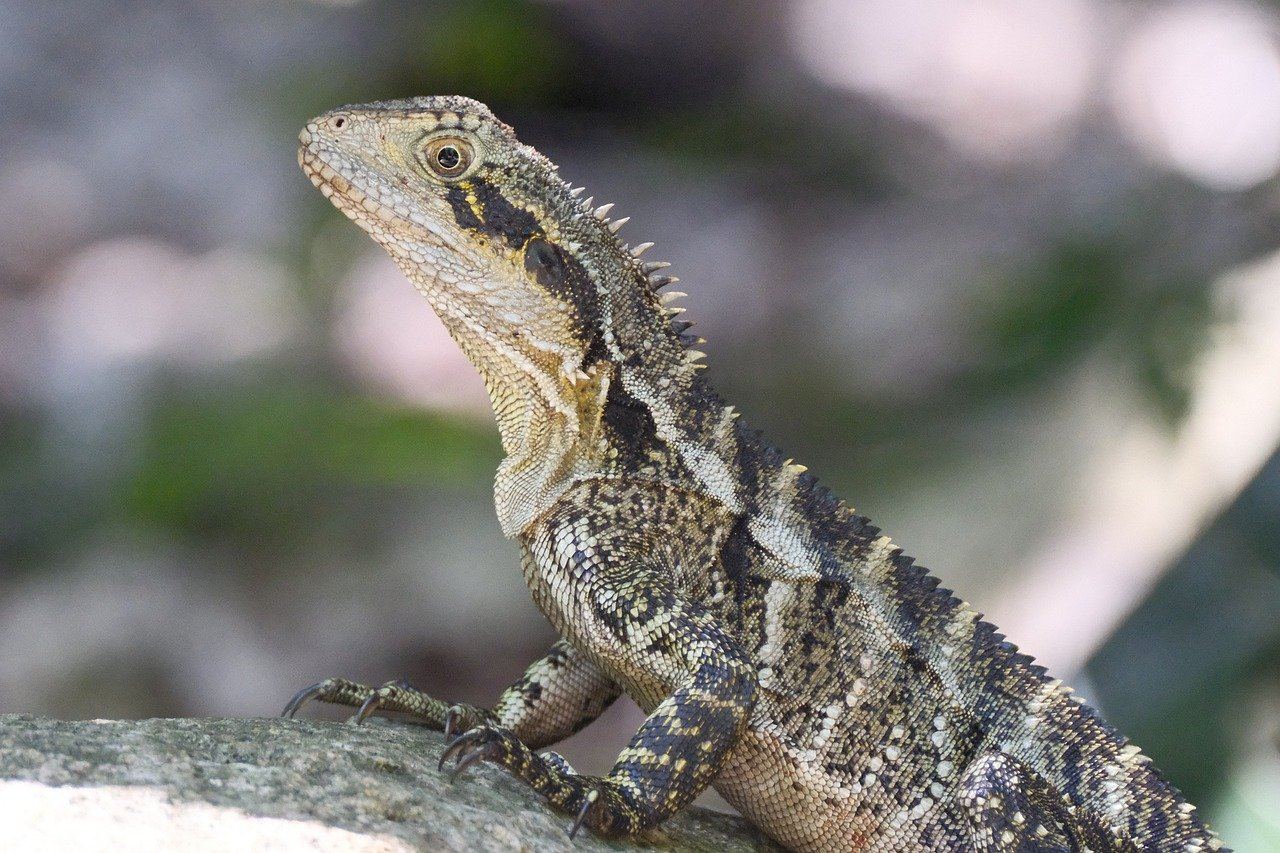
Nature observation isn't just for retirees; it's a mental workout that enhances your pattern recognition by learning to spot change in everyday environments.
Learning nature observation as a beginner involves intentionally spending time outdoors to notice and record the details of the environment around you.
You pick a location, slow down, and document what you find:
Unlike hiking or birdwatching, it's not tied to movement or a single taxon – anything alive (or recently alive) is fair game.
Nature Observation involves finding a quiet outdoor spot where you sit silently for extended periods, focusing intently on the details of flora and fauna within a defined area, cataloging your observations mentally or through journaling and sketching without distractions.
This hobby induces a flow state by engaging your perceptual acuity in discerning subtle ecological changes, providing immediate feedback through discoveries, and creating a sense of accomplishment as you track nature's transformations over time.
You picture nature observation as a leisurely activity for the retired, involving binoculars and park benches. Slow and quiet. Maybe even a bit boring.
That stereotype ignores one of the sharpest skills this hobby builds: keen pattern recognition.
A first-time nature observer once noticed a hawk by watching the reactions of smaller birds below it. Not the hawk itself. This keen insight came after just six weeks of practice. Paying attention gradually revealed a complex system, not just standalone animals.
Find one tree. Watch its changes across seasons. It's right outside your window: observe it and you'll learn more than from a weekend nature trip. Observing teaches transformation, something most miss until practiced deliberately.
That's the bridge this hobby builds. The tools are simpler than you'd guess.
Imagine sitting quietly in a field, surrounded by nature, but not much happening. You find yourself staring at an empty hedgerow for what feels like ages, questioning your choices.
This uncomfortable gap is where many give up, but it's also where the magic begins.
You start expecting movement, checking your phone, and wondering if you chose the wrong spot. Everything stays still, and you start feeling restless.
But then, the stillness becomes your teacher. You notice the way bark meets shadow and understand that this quietness is part of the experience. Realizing what the wrong spot looks like helps you recognize the right one.
Initially, the silence feels like a failure, especially in the first week. But as your system slows down in the second week, you start hearing bird calls you used to miss and spot insects you didn't see before.
Week three brings a breakthrough moment — maybe spotting a fox or a heron — that makes the wait worthwhile.
By the fourth week, checking the time ceases, signaling that the hobby has taken effect.
So, when nothing happens and you feel like leaving, that's when seasoned wildlife watchers stay still. Nature reveals itself to those who outlast their own impatience.
Bring a sit pad. Not a chair. Noise tells wildlife to keep their distance, and chairs mean noise. Your silence is an invitation to witness what you came to see.
Next, let's address the common mistakes that can keep you stuck in the frustrating half longer than necessary.
When to start: Early morning
Duration: 1.5 hours
Cost to try: $0
Success criteria: If you record at least 3 distinct wildlife signs or behaviors with one sketch or note, do session 2.
New observers keep moving, treating nature like a highlight reel to scroll through.
Pick one spot and stay there for 20 minutes – animals, insects, and birds reveal themselves to stillness, not pursuit.
Generic notes feel harmless until you try to identify something weeks later and realize you wrote nothing useful.
Write the one detail that made it different – leg color, bill shape, the way it bobbed its tail – not just the name you guessed at.
Midday in full sun is the quietest, least active window in most ecosystems – you're basically observing an empty stage.
Shift one outing per week to the hour after sunrise or the hour before sunset, and you'll see more in 30 minutes than a full afternoon gives you.
Beginners reach for binoculars immediately – and miss the movement that told them where to look in the first place.
Practice tracking moving subjects with your naked eye first, then raise the binoculars once you've locked onto the location.
The rush to name what you saw pushes you toward the closest match rather than the right one.
Sit with the uncertainty for a day, compare two or three candidates side by side, and check habitat and range maps before you commit to an ID.
Nature observation is all around you. Backyards, urban parks, and even overgrown lots are perfect spots.
You don't need untouched wilderness, just a keen eye.
The North American Nature Photography Association and native plant societies list events where nature enthusiasts gather.
When you attend a group, say: "I'm just starting to pay attention – what should I be looking for today?"
This simple phrase opens doors to mentorship and guidance.
Birdwatching focuses solely on birds. That singular focus makes it compelling. Spot ten species and you're hooked. Perfect for those craving a clear goal instead of aimless wandering. Invest in decent binoculars ($80–$150) – they'll be your main expense.
Observe nature at a snail's pace. Plants don't move, forcing you to look closer. Notice the details you overlooked.Ideal for those who value depth over distance. A local wildflower guide ($15–$20) beats any app.
Look for signs like prints and scat instead of the animals themselves.Great for methodical minds who enjoy interpreting clues. Even if no animals appear, the puzzle can be rewarding.
Discover nocturnal life like owls and bats by shifting your schedule. Ideal for those who've seen everything during the day. A headlamp with red-light mode ($20–$40) preserves night vision.
Your sightings contribute to research databases like iNaturalist or eBird. Perfect for those who want their hobby to have a real impact.
Another variant that pulls from the same roots is Falconry.
For something adjacent, see Astronomy.
Another variant that pulls from the same roots is Bass Fishing.
Most beginners focus all their energy on finding better locations, rarer species, or longer hikes.
The real bottleneck isn't where you go. It's that you haven't learned to be still.
Deliberate stillness with directed attention changes everything. Stop in one spot for 10–15 minutes. Systematically scan near to far, ground to canopy, while the environment resets around you.
Not meditating. Not waiting. Actively looking in layers while staying quiet enough that wildlife forgets you're there.
When you move constantly, every animal within 50 feet goes silent or hides. You only see the ecosystem's edge.
Sit still long enough and the whole picture reassembles. Birds resume feeding routes, insects return to stems, and small mammals cross open ground.
Without this, you're always chasing the back half of what's actually happening.
Aim for 8 sessions over 30 days— about two per week, 45 to 60 minutes each.
Nature observation develops gradually and takes time to reveal its full impact.
With eight sessions, you'll encounter varying conditions. This variety helps you see changes not only in nature but in how you perceive it.
You find yourself lingering beyond your planned time. Whether it's returning to the same spot or checking on a specific detail, something keeps drawing you back. That pull means the hobby is for you. Start tracking your experiences in a field notebook and focus on one species or area.
Feeling 'okay' after each session isn't a failure. Some people need more time to click with the hobby. However, if you're just counting the minutes, realize that as valid feedback. Avoid pushing further out of obligation.
If each session felt like a burden, there's no warming up to be had. Being uncomfortable and dreading further outings means it isn't for you. This isn't about braving discomfort—it's about finding something else that fits better.
When you find yourself captivated by candid wildlife clips online, it's a sign. That curiosity about raw animal behavior indicates a connection to nature observation as a hobby.
If nature observation feels like too much to commit to right now, browse what to do when you're bored for lower-stakes ideas.
You can start with just your eyes and a notebook, but binoculars, a field guide, and a camera are helpful additions as you progress. Many observers also use apps like iNaturalist to log and identify species. Begin simple and invest in equipment only after you know what type of observation interests you most.
Identification speed varies by species complexity and your experience level—from a few seconds for distinctive birds to several minutes for insects or plants requiring closer inspection. Most beginners develop reliable identification skills within a few months of regular practice. Patience and repetition are more valuable than speed.
Not at all—you can start observing birds, insects, and plants in your backyard or local park with zero experience. The learning curve is gradual and self-paced, so you advance only as quickly as you want to. Many rewarding observations happen in the first few outings.
Even 30 minutes a week builds meaningful skills and connections, though most enthusiasts spend 2–5 hours weekly for deeper insight. The best frequency is whatever you can sustain consistently—regular short sessions beat occasional long ones. Your local environment and interests will naturally shape your rhythm.
Birdwatching focuses specifically on identifying and tracking birds, while nature observation encompasses all wildlife—insects, mammals, plants, fungi, and ecosystems. Nature observation is broader and encourages you to notice relationships between species and their environment. Both can coexist, but nature observation offers more variety for curious minds.
Local parks, gardens, and nature reserves are ideal for beginners—you don't need remote wilderness. Wetlands, forest edges, and open fields tend to have diverse wildlife. Visit the same spot multiple times to notice seasonal changes and behavior patterns that casual visitors miss.