BoredomBusted — Find Your Next Favorite Thing To Do
Discover hobbies, activities, places, and ideas that spark joy. Whether you're looking for something creative, active, social, or relaxing, BoredomBusted helps you find your next favorite thing to do.
Browse our hobby guides, things-to-do collections, and place ideas to never be bored again.
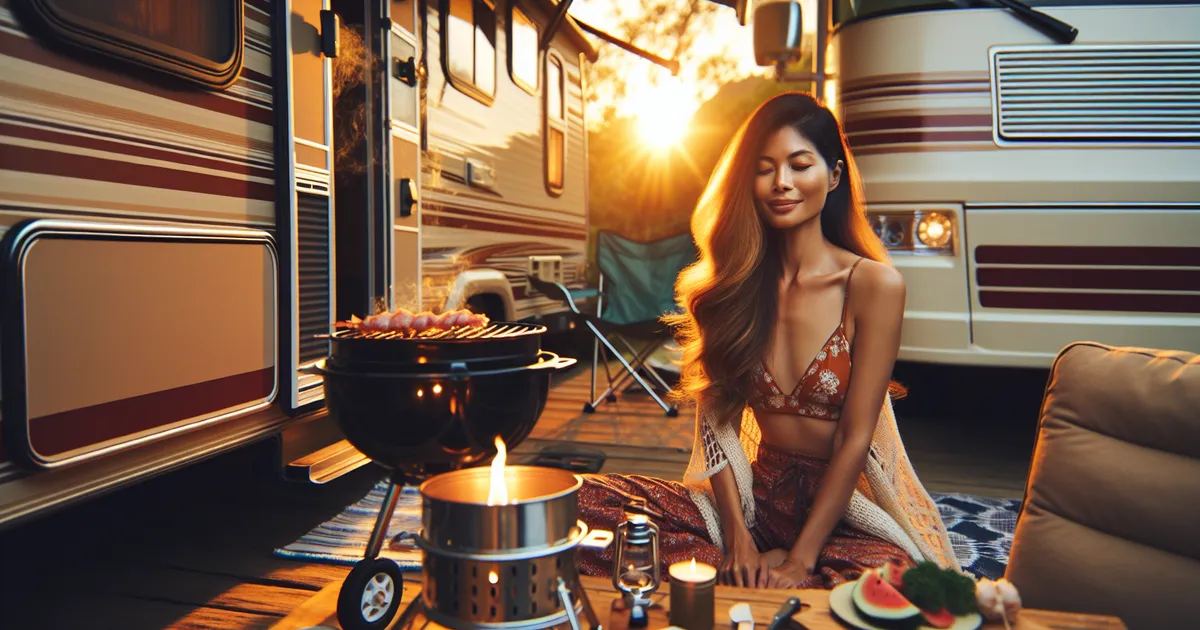
RV camping is less about the vehicle and more about forging community and relishing skills that turn travel into a rewarding achievement journey.
Getting started with RV camping as a beginner offers a unique blend of adventure and convenience, allowing you to travel while enjoying the comforts of home. You travel and sleep in a self-contained motorhome or trailer – your vehicle is your accommodation.
Bringing running water, a kitchen, and a bed lets you enjoy nature without giving up modern conveniences.
Pick your own destinations and explore at your pace. Find freedom with comfort like no other travel method.
In RV camping, you drive or tow an RV to various campgrounds, set it up by leveling and connecting utilities, and engage in activities like hiking, biking, cooking outdoors, and playing games with others, while also maintaining the RV and exploring local attractions.
RV camping combats boredom through novelty from changing landscapes, provides a sense of accomplishment via mastering RV setup, fosters social belonging through campfire games, and allows creative expression through photography and crafts, all while promoting relaxation and mental resets.
You think RV camping is just "sleeping in a parking lot with a kitchenette." A glorified road trip with a toilet. That's the assumption – and it's the reason most people underestimate how deep this hobby actually goes.
RV camping isn't about the vehicle. It's about the freedom to decide your destination and actually get there without the logistics mess of flights, hotels, and restaurant roulette.
The community is real in a way that's hard to explain until you've had a stranger knock on your door with a plate of food because they saw your out-of-state plates and recognized their old hometown. That doesn't happen at a Holiday Inn.
The skill curve is genuinely satisfying – learning to back into a tight site, manage your tanks, read a campground map like a local – it turns every trip into something you earned, not just something you bought.
A couple in a 24-foot travel trailer spent three weeks working remotely from national forest land in New Mexico. No campground fees. No agenda. They were the ones running the show. They'd done beach vacations for ten years and said it wasn't even the same category of experience.
The gear and setup questions come fast once this clicks – and the next section is where we sort out what you actually need to start.
Watching RV content is all about open highways, campfire coffee, and beautiful dawns in new places.
Your first trip feels very different: a mysterious smell in the cabin, a slideout that won't cooperate, and constant doubts about the water pump.
Expect the unexpected. What you see online isn't the same as physically managing everything yourself.
Initially, your focus is managing systems: water, power, waste, propane. Camping becomes secondary.
Then you find your setup rhythm. Even so, you'll forget something important and end up improvising or heading to a hardware store.
Competence replaces panic by the third week as routines become more natural.
You'll book your next adventure while unpacking the current one, eager for the next challenge.
Feeling overwhelmed and a bit embarrassed is common in the beginning, but mistaking early struggles for failure is a choice.
Dump your tanks early, not when your rig alerts you. Many beginners wait too long, leading to messy situations.
When to start: Early morning
Duration: 2 hours
Cost to try: $20
Success criteria: If you park the RV level, set up hookups, and have the fridge/cooler cold before your first meal, do session 2.
Electricity and water hookups seem like necessities—until you face the cost. Those sites are the priciest and often the most crowded.
Test your needs by renting an RV. See if you sleep fine without shore power for two nights. If you do, you've just expanded your options and saved 30-40% per night.
Bridges and low canopies don't care what you assume. A single mistake can rip off your AC unit or antennae.
Memorize your RV's height, plus six inches. Write it on a sticky note and stick it to your dashboard before leaving the driveway.
Most drain black and gray tanks simultaneously, missing a chance to clean the sewer hose with gray water.
Dump black first, then gray. This sequence cleans the hose without extra effort.
It's tempting to fill all your storage space. But this makes your vehicle top-heavy and tricky to navigate on winding roads.
Pack light, like you're car camping. Bring one comfort item per person and leave the rest.
You're in a hurry, eager to go, and forget important tasks like locking the hitch or retracting steps.
Have a 10-item checklist and complete it each time you leave.
RV camping includes campgrounds, RV parks, state and national parks. You can also camp on dispersed public land via the BLM or US Forest Service.
You have options beyond hook-up sites. Full-service resorts or free boondocking in the desert are both on the table.
Saying "this is my first season – I'm still learning the rig" can open doors.
This is living with wheels as your foundation. It's a lifestyle, not a temporary escape. Ideal for those ready to make long-term commitments to the road. Many full-timers trade a mortgage for $1,500–$3,000/month on camping expenses.
Away from hookups and busy neighbors. Self-sufficiency lets you camp for free on BLM or national forest land. Perfect for solitude seekers who don't want resort prices. Installations like solar and a lithium battery bank can cost $1,000–$3,000 upfront.
Plug into electric, water, and sewer services at places like KOA or state parks. Great for learning the ropes without the worry of resource management. Rates are $30–$80/night.
Overlanding is about rugged journeys with off-road capabilities. Smaller, trail-ready rigs are your ticket. Best for adventurers craving remote, hard-to-reach terrain. High entry cost, with trailers like the Airstream Basecamp starting at $30K.
Travel with a group of RVers, enjoying the journey together. Building friendships on the road is rewarding. Perfect for groups focused on making memories along the way. Coordinating travel across multiple states adds a layer of planning.
If the texture of this appeals to you, Backcountry Camping is built on similar bones.
Campsite reading is the skill that truly matters.
Without it, you're guessing and stressing every setup. The rig isn't the problem. The site is. Experienced RVers anticipate site issues; beginners often find out too late.
This skill trims setup time from 45 minutes to 15. No more arrival day dread. New campgrounds shift from stressful puzzles to quick, smooth setups.
Mastering campsite reading makes each trip smoother. Next, see how seasoned travelers anticipate weather challenges.
Give yourself 30 days and take 3 overnight trips. Start with one weekend close to home, add a mid-week solo or small-group night, then plan one that requires actual route planning.
If you're already planning the next trip before unpacking, that's a clear signal. It's not just about wanderlust; it's the process that captured you. Time to research a longer adventure and get familiar with tools like Campendium or The Dyrt for campsite reservations.
Feeling indifferent after three trips typically means the format needs adjustment. It might not be the great outdoors that's wrong, but the style. Try switching to tent camping or rent a cabin before investing further. RV camping involves specific elements like road logistics and campsite neighbors that may not appeal to you.
Counting the hours until you could leave suggests a deeper disconnect. Discomfort is common on a first trip, but wanting out by the third is telling. Pay attention to this feeling.
The one sign you shouldn't ignore is if you find yourself lingering on road trip photos, fascinated by the vehicle at a scenic edge. Checking Class B van prices more than once without intending to shows a true interest in that lifestyle.
When you don't want to commit, things to do when bored is a better starting point.
RV costs range from $20,000 for used Class C motorhomes to $100,000+ for new luxury models, though you can also rent RVs for $100–$300 per night to test the lifestyle first. Beyond the vehicle, budget for fuel, campground fees ($20–$60 nightly), insurance, and maintenance annually.
Most RVs under 26,000 pounds require only a standard driver's license in the US, though some states recommend additional training for larger vehicles. Many RV rental companies and organizations offer defensive driving courses specifically designed to build confidence and safety skills.
Most campgrounds allow stays of 1–30 days, with some offering monthly or seasonal rates for extended visitors. Private RV parks often have longer-stay discounts, while national parks typically limit stays to 14 consecutive days per location.
Class A motorhomes are the largest and most luxurious but hardest to maneuver; Class B are compact vans ideal for couples and fuel efficiency; Class C are mid-sized and offer the best balance of space, comfort, and drivability for families. Your choice depends on group size, budget, and driving comfort level.
RVs have onboard freshwater tanks you refill at campgrounds, gray water tanks for sink/shower drainage, and black water tanks for toilet waste. Most campgrounds provide full hookups (water, electric, sewage) so you can empty tanks safely, or you can use dump stations between trips.
RV camping has a learning curve—managing utilities, backing up, and trip planning take practice—but most beginners feel comfortable within a few trips. Starting with short local trips or rentals before purchasing helps you build skills without major financial commitment.