BoredomBusted — Find Your Next Favorite Thing To Do
Discover hobbies, activities, places, and ideas that spark joy. Whether you're looking for something creative, active, social, or relaxing, BoredomBusted helps you find your next favorite thing to do.
Browse our hobby guides, things-to-do collections, and place ideas to never be bored again.
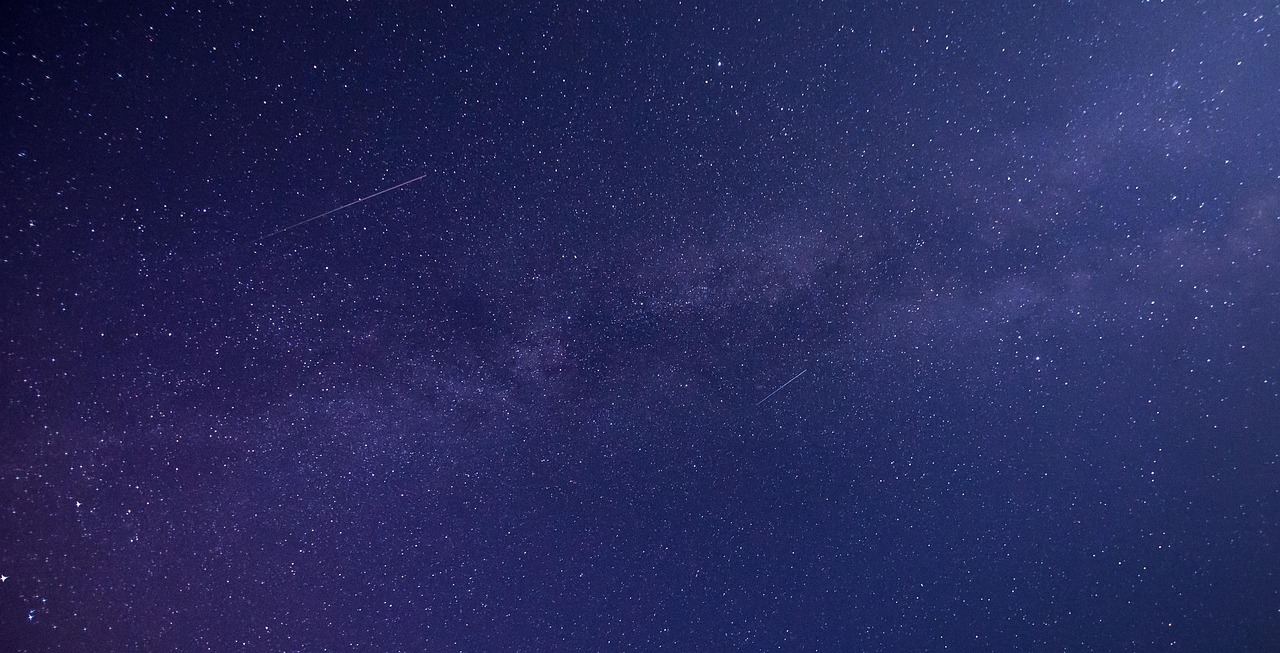
Stargazing isn't just lying on grass looking for constellations — it can lead to a deep, informed connection with celestial events like Jupiter's opposition.
Getting started with stargazing as a beginner involves simply stepping outside at night to observe the breathtaking beauty of planets, stars, constellations, and nebulae.
You're reading the sky like a map that rotates with the seasons.
Unlike astronomy as a science, you don't need a degree or data.
The distinction is simple: astronomers measure the universe. Stargazers experience it.
In stargazing, you locate and observe celestial objects by traveling to dark observation sites, allowing your eyes to adapt to the dark, using apps or charts to identify stars and constellations, and documenting your findings in logbooks. You'll often engage in techniques like star-hopping to navigate from bright stars to fainter objects, combining both passive gazing and active problem-solving.
Stargazing induces cognitive quieting and focus, creating a flow state through structured challenges like locating stars, which offers immediate feedback and a sense of accomplishment as you successfully track celestial bodies. This activity also fosters social belonging through astronomy clubs and star parties, enhancing your experience with shared interest and community.
You think stargazing means lying in the grass, squinting at the sky, and maybe recognizing the Big Dipper if you're lucky.
That assumption makes many try it once and walk away thinking they've seen everything.
A friend who's been at this for two years can step outside, spot Jupiter without an app, note it's near opposition, and know the next three weeks are prime viewing time for its cloud bands.
That's not trivia. That's not a party trick. That's a completely different relationship with the night.
You're probably thinking about getting a telescope. The answer is more interesting than yes or no – and that's what the next section is about.
Stargazing on YouTube seems effortless. A camera captures the Milky Way in seconds. But your first night outside, when you look up, you'll see far less.
Equipment isn't the issue. It's about training your eyes in a way they haven't been used yet.
Initially, the dark sky seems enough. You expect stars to pop up, and using your phone flashlight feels harmless. But wait around 20 minutes before your eyes truly adjust, and rely on red light only. Stepping stones like the Big Dipper serve as guidelines, but not destinations.
Use averted vision by looking slightly to the side of a faint object. Your retina's rod cells, which detect dim light, aren't in the center. This feels wrong, but trust it—it works.
In the beginning, it seems like there's nothing to see. It's too cold, and the sky isn't as clear as you'd hoped. Suddenly, you glimpse a cluster—a smudge—something you barely notice unless you half-look. That's the magic in stargazing. Each discovery feels new, even when you've found it before.
When to start: Night
Duration: 1-2 hours
Cost to try: $0
Success criteria: If you identify and sketch three constellations, plus one steady planet or bright star, do session 2.
A new telescope seems exciting – but without sky knowledge, you'll see bright blurs you can't name.
Spend your first month memorizing constellations before using optics. Learn 10–15 constellations and key stars first.
Beginners assume nightfall means stargazing time. But genuine darkness for seeing the Milky Way arrives much later.
Consult apps like Stellarium for true nightfall. Plan for "astronomical darkness," not just sunset.
White lights destroy night vision in moments. Eyes need 30 minutes to fully adjust to darkness.
Switch to red light to save your adaptation. Use a red flashlight or add red cellophane to a regular one.
Clear skies don't guarantee good viewing. Turbulence can spoil detail, making stars shimmer unpleasantly.
Check seeing conditions on Clear Outside or Astrospheric. Clear skies need to be steady as well.
First time out, people often search the whole sky, learning little.Pick one target each session and focus on that.
Stargazing can be a backyard activity if you've got the right setup. But true magic happens at dark sky sites, national parks, and rural hilltops. Away from city lights, the stars really shine.
Find your local club through the Astronomical League's club finder at astroleague.org. With over 240 clubs, there's likely one near you.
For a casual experience, turn to Meetup.com and search for "astronomy" or "stargazing" using your city. Ideal for first-timers looking for a relaxed outing.
The Cloudy Nights forum (cloudynights.com) in the "Star Parties" section lists public events hosted by serious amateur astronomers. Expect a crowd that values knowledge over chatter.
Try a search for your city's astronomical society directly. These clubs often hold monthly star parties and free public nights that might not appear on larger sites.
Don't worry about gear at your first meetup. Just say, "I'm new and don't own a telescope yet." This opens doors — seasoned stargazers love to share their equipment and advice, saving you from impulse buys.
No telescope, no apps needed. Just find a dark spot and let your eyes adjust.
The best starting point. Most beginners skip straight to gear, but patience pays off here.
Completely free.
Use telescopes to hunt galaxies, nebulae, and star clusters that the naked eye can't see.
Ideal for those who know constellations by heart and crave an experience that scales in difficulty.
Entry-level telescopes cost $150–$300. High-end setups can reach thousands.
Photography changes the game: long exposures, tracking mounts, new skills.
Expect photography to overshadow stargazing — you'll spend more time editing than observing.
Budget starts at $500 for worthwhile results.
Meteor showers are scheduled events that need no gear. Just arrive on the right night and lie back.
Perfect for those looking to stargaze with purpose without needing to learn the sky.
Try the annual Perseids in August. It seldom disappoints.
Move from known stars to new ones using angular distance as a map. This is "star hopping."
Gain confidence every time you look up. It's the skill that separates casual viewers from serious enthusiasts.
All you need is a star chart and a few practice sessions.
Wildlife Study is a sibling pursuit and often surfaces the same kind of curiosity.
Readers who enjoy this often gravitate toward Amateur Astronomy next.
If the texture of this appeals to you, Crystal Collecting is built on similar bones.
Most beginners focus on getting to darker skies and acquiring better equipment. They overlook the true hurdle: reading the sky like a map. Without this skill, each session resets to zero.
Celestial pattern-chaining is the key skill. It means connecting the dots in the sky — using shapes you recognize to find others and creating a mental map in real time. It's not about isolated constellations. It's knowing Orion's belt points to Sirius and Pleiades, turning one find into three.
Chain patterns, and the sky isn't just dots on a screen anymore. You find galaxies, double stars, and nebulae intentionally, rather than stumbling upon them.
Without this skill, each target feels new and challenging. Master it, and the sky isn't a mystery. It becomes a coherent map you can read, an interconnected web of lights.
Commit to 6 sessions over 30 days. That's about a clear night each week, with two bonus nights for when clouds win.
Stargazing sessions rely entirely on the weather. This gives you enough tries to separate simple dislike from bad skies.
If you find yourself obsessively checking weather forecasts, you've caught the bug. The sky isn't just something above—it's now something you follow. Time to gather a basic stargazing kit and choose some targets for the future.
If the sessions were forgettable and you didn't think about them between nights, it's not a flat-out no. Set a goal for four more sessions—like spotting Saturn or familiarizing yourself with a constellation group. Wandering with no aim quickly ends interest.
If it was just cold and tedious for you, that's a decisive answer. Stargazing's inherent pace and temperature demands won't change with time or experience. If that bothered you more than the stars intrigued you, it's not the activity for you.
Finding yourself lost in online astronomy photos signals genuine interest. If you're pausing just to appreciate, your curiosity is there and stargazing will feed it.
For a wider menu of options, see our list of hobbies.
If stargazing feels like too much to commit to right now, browse what to do when you're bored for lower-stakes ideas.
You can begin stargazing with just your eyes to identify constellations and bright stars, which is completely free. As you progress, a pair of binoculars (around $50-150) or a telescope ($200+) can reveal deeper-sky objects like nebulae and galaxies, but they're optional for beginners.
Most beginners can identify 10-15 major constellations in a few weeks of regular observation. Learning a full seasonal set of constellations visible from your location typically takes 2-3 months with consistent practice.
Light pollution makes stargazing challenging in cities, but you can still observe the brightest stars and planets from urban areas. For the best experience—especially for constellations and deep-sky objects—traveling to a darker location away from city lights significantly improves visibility.
You can stargazing any time of year, though autumn and winter typically offer clearer skies and longer nights in most locations. Summer nights are shorter but feature some of the brightest constellations like Scorpius and Sagittarius.
Basic astrophotography can begin with just a smartphone (you may already own) and a tripod ($20-50). A DSLR camera body ($400-800 used) and wide-angle lens ($200-600) give better results, but smartphone astrophotography is a budget-friendly way to test your interest first.
No prior knowledge is required—stargazing apps and guides teach you to identify objects in real-time. Most beginners grasp basic constellation navigation and planetary identification within their first few nights of practice.