BoredomBusted — Find Your Next Favorite Thing To Do
Discover hobbies, activities, places, and ideas that spark joy. Whether you're looking for something creative, active, social, or relaxing, BoredomBusted helps you find your next favorite thing to do.
Browse our hobby guides, things-to-do collections, and place ideas to never be bored again.
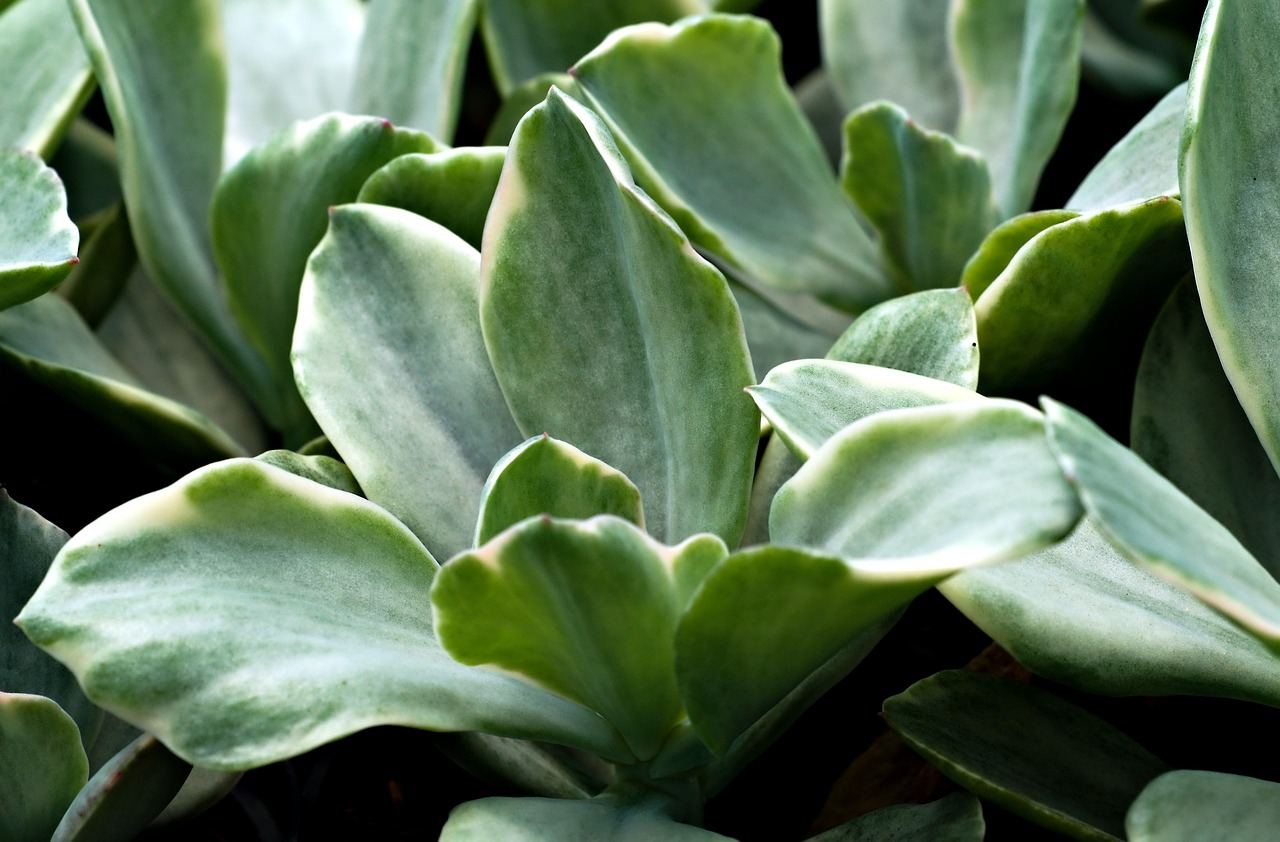
The real secret to succulent gardening isn't sunlight or water—it's learning to read the plant's signals to avoid overwatering and turn a single leaf into a collection of 200 species.
Learning succulent gardening as a beginner opens up a world of vibrant, drought-resistant plants that thrive with minimal care.
You manage light and soil drainage instead of watering schedules.
Unlike regular houseplant care, the neglect is the technique – these plants thrive on infrequent attention, making it one of the few hobbies where doing less consistently produces better results.
In succulent gardening, you physically engage in selecting and propagating drought-tolerant plants like Echeveria and Jade, preparing their soil and drainage layers, arranging them in creative containers, and maintaining their growth through careful watering and light positioning.
Succulent gardening fosters a flow state through tactile, repetitive tasks like planting and arranging, while providing immediate feedback on your efforts as you witness plants thrive, creating a sense of accomplishment and nurturing a creative outlet.
Succulents are perceived as the easy-mode houseplant. Buy one, put it in a sunny window, forget about it – basically a pet rock with better aesthetics.
That assumption is why most people's succulents die within six months.
Succulents are survival artists – and that survival logic is a system you can learn to read. Leaf wrinkling, color shifts, stretching toward light: every change is the plant telling you something specific.
Most beginners drown them. Overwatering kills more succulents than neglect ever will – which means the real skill is learning to resist the urge to help.
And the hobby has serious range. There are over 10,000 species, and collectors spend years hunting rare cultivars, building arrangements by texture and color contrast, propagating new plants from a single dropped leaf.
A landscape designer in Phoenix started with a single echeveria on a windowsill. Five years later she's growing 200+ varieties, selling propagations at local markets, and designing drought-tolerant gardens for residential clients – none of which she planned. She just got curious about why one leaf had purple edges.
One plant.
One purple-edged leaf.
A question she couldn't stop asking.
The low-maintenance reputation is accurate – it just describes the minimum, not where most people who stick with this actually end up. What you'll need to get started is simpler than you think, but the choices you make on day one matter more than most beginners realize.
Watching someone arrange a terracotta cluster on YouTube looks effortless. Sun-drenched, no soil under the fingernails, perfect drainage every time.
Your first session is slower, messier, and more second-guessing than that. The gap isn't skill—it's that no one shows you the fifteen minutes of staring at a pot wondering if you've already killed it. Succulents don't want your care schedule, they want your neglect.
Most first-timers kill with kindness — watering on a fixed calendar instead of waiting until the soil is bone dry and the leaves show the faintest softness.
Touch the soil. Wait longer than feels right. Water less than feels responsible. Buying well-draining soil and questioning every pebble placement might feel strange. Wrinkled leaves make you ponder if it's thirst or rot. The discomfort doesn't go away. But soon, you see new growth—a small pink edge, a tiny rosette forming—and that's when it clicks.
The time spent fretting is worth it. The next section dives into the mistakes everyone makes and how to avoid them.
When to start: Early morning
Duration: 1 hour
Cost to try: $10
Success criteria: If you potted one succulent in a draining container, and the soil stayed evenly settled after a gentle watering with no runoff pooling, do session 2.
Succulents look thirsty on a Tuesday the same way they look thirsty on a Saturday – they don't, and a calendar won't tell you that.
Stick your finger two inches into the soil before every watering. If there's any moisture at all, walk away for another three to five days.
Regular potting soil holds moisture like a sponge, which is exactly what a succulent's roots can't survive long-term.
Cut your potting mix with at least 50% perlite or coarse horticultural grit –the blend should feel gritty in your hand, not fluffy.
A beautiful glazed ceramic pot with no drainage hole is just a slow drowning tank.
Choose any pot you want – then drill a hole in the bottom, or buy a cheap terracotta nursery pot to drop inside it.
"Indirect light" advice is written for tropical houseplants.
Succulents that don't get enough direct sun will etiolate –growing long, pale, and leggy as they physically reach toward what they need.
Move them to a south- or east-facing windowsill where they get at least four hours of direct sun daily, or supplement with a grow light set to 12–14 hours.
Overwatered succulents go mushy and collapse – and they look almost identical to underwatered ones that just need a drink.
Pull the plant out and check the roots. Brown, mushy, or smelling like wet cardboard means rot, not thirst. Cut away the damage and repot into dry soil – do not water again.
Succulent gardening thrives anywhere with light. Start with a windowsill. Expand to a backyard or patio as your collection grows.
Walking into a nursery and saying, "I just started and I'm still figuring out watering," often results in free cuttings, advice for your specific light conditions, and guidance to avoid beginner mistakes.
Most people start with a mixed succulent collection and call it a day. That's fine – but knowing what else exists helps you figure out what you're actually chasing.
Cacti are succulents, but they play by stricter rules – more sun, less water, and serious spines if you're careless.
The upside is they're nearly indestructible once established. Best for people who want the lowest-maintenance version of this hobby possible.
These are succulents that evolved to look like rocks, pebbles, or split stones.
Overwatering them even slightly will kill them – so the margin for error is slim. Best for experienced growers who want a challenge and a genuinely weird-looking collection.
Glass containers, arranged compositions, decorative top-dressing.
The focus shifts from plant care to design – it's closer to living sculpture than gardening. Best for people drawn to aesthetics over botany, though closed terrariums and succulents are a bad match – these plants need airflow.
Ground-level planting for curb appeal, drought-tolerant yards, or rock gardens.
Scale jumps considerably – you're buying in bulk and thinking about drainage at a soil level, not a pot level. Best for homeowners in dry climates who want a low-water yard that doesn't look neglected.
This is the hobby within the hobby – growing new plants from leaves, cuttings, or offsets instead of buying them.
It's slow, often humbling, and completely addictive once it works. Best for anyone who gets more satisfaction from the process than the end result.
Some of the same instincts show up in Flower Gardening — worth a look if this clicked.
If you want a related angle, Herb Gardening is the natural next stop.
If you want a related angle, Container Gardening is the natural next stop.
The One Skill That Makes Succulent Gardening Click
Most beginners obsess over watering schedules – how often, how much, which day of the week. The schedule isn't the skill. Reading the plant is.
The real skill is recognizing what dehydration stress looks like in the leaves before it becomes a crisis – and knowing the difference between a plant that's thirsty and a plant that's drowning with wrinkled leaves from root rot.
Succulents don't communicate on a calendar. They communicate through texture, color, and leaf firmness – and once you can read those signals, you stop needing rules entirely.
When you can look at a slightly puckered leaf and know "this one needs water in two days, not two weeks," you stop killing plants during seasonal changes – the moment most beginners lose a whole collection without understanding why.
Without this skill, you'll keep following advice that works for someone in Arizona when you're in Ohio in February, wondering why your plants keep dying despite doing everything "right."
Six sessions over 30 days. That's roughly one and a half per week — enough time to pick your first plants, pot them, watch them through an adjustment period, and make at least one small mistake.
Succulents change slowly. Six sessions gives you a realistic window, not a highlight reel.
If you kept finding reasons to check on them — moving them closer to the window, researching why the tips look soft, buying one more pot "just to see" — that restlessness is the hobby, not overthinking. Start building out your collection intentionally and read up on soil composition next.
If you watered them when you remembered and felt basically nothing, that's useful information. It usually means you want the aesthetic of succulents without the actual practice. A few low-maintenance plants on a shelf might be all you need, and that's a legitimate answer.
If you forgot they existed and felt relieved when you remembered — don't negotiate with that. Slow-growing, quiet things make a genuine disconnection from plants feel worse, not better. That's a clean answer.
Frequent travel or genuinely dark interiors are real obstacles. Succulents are forgiving, but weeks without natural light or anyone to check in will kill them — and that failure loop gets discouraging fast.
Succulents grow in millimeters per month. If a slow feedback loop has killed other hobbies before, it will kill this one too. That's not a flaw — it's just how you're wired.
Renting with no outdoor access is workable, but grow lights add cost and setup before you've even confirmed you enjoy the hobby. Starting with that barrier makes the early experience harder than it needs to be.
You're scrolling plant accounts at 11pm trying to identify a variety you spotted at a grocery store. That's not casual interest — someone doing that already has the hobby and just hasn't bought the soil yet.
If succulent gardening feels like too much to commit to right now, browse what to do when you're bored for lower-stakes ideas.
Succulents only need water every 2–3 weeks, and even less frequently in winter. Overwatering is the most common mistake—let the soil dry out completely between waterings to prevent root rot.
Yes, succulents thrive indoors as long as they get at least 4–6 hours of bright, indirect sunlight daily. A sunny windowsill or grow light works well for most varieties.
You can start for $20–50 with a few small plants, soil, and a basic pot with drainage holes. Once established, expanding your collection is inexpensive since succulents propagate easily from leaves or cuttings.
Jade plants, echeveria, and aloe vera are nearly impossible to kill and tolerate neglect well. These varieties forgive irregular watering and irregular light conditions, making them ideal starter plants.
Most succulents live 5–10+ years with proper care, and some varieties like jade plants can live for decades. They're long-term investments that become more impressive and valuable as they mature.
Yes, use cactus or succulent-specific potting mix, or create your own by mixing regular potting soil with perlite or coarse sand. Proper drainage is essential—regular soil retains too much moisture and causes root rot.