BoredomBusted — Find Your Next Favorite Thing To Do
Discover hobbies, activities, places, and ideas that spark joy. Whether you're looking for something creative, active, social, or relaxing, BoredomBusted helps you find your next favorite thing to do.
Browse our hobby guides, things-to-do collections, and place ideas to never be bored again.
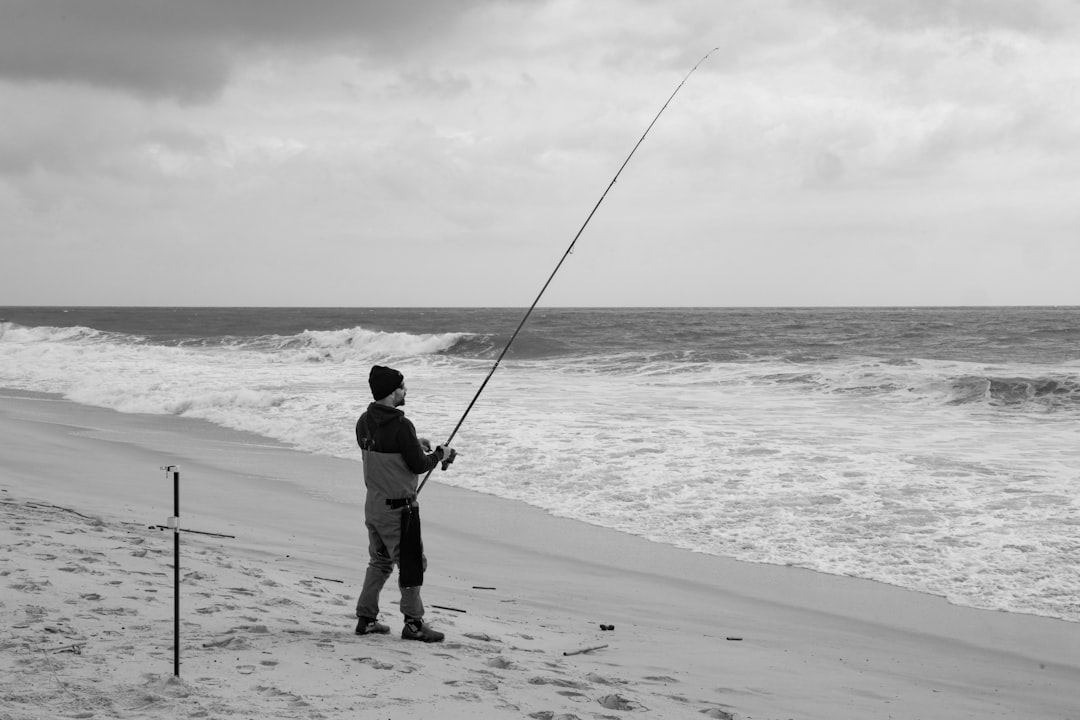
Surf fishing isn't passive waiting—it's an active game of pattern recognition, where understanding ocean signals trumps casting skills.
Getting started with surf fishing as a beginner involves learning effective casting techniques and understanding the local tides. — or wading into the shallows — to catch fish beyond the breaking waves.
You read the water, pick your spot, and let the current do half the work.
No boat required, no license for the ocean itself – just gear, grit, and a stretch of coastline.
Surf fishing involves arriving at a beach, scouting the surf zone for fish-holding spots, assembling specific gear, and casting baited lines out into the ocean, while monitoring for bites and reeling in catches like striped bass or bluefish, all while adapting techniques based on environmental conditions.
Surf fishing creates skill feedback loops through casting and retrieving, fostering a flow state by matching the challenge of mastering techniques with immediate results, while the sense of accomplishment from successful scouting and fishing enhances engagement and counters boredom.
You think surf fishing is standing on a beach with a long rod, waiting. You've seen someone out there — folding chair, cooler, hat — looking like they're doing absolutely nothing.
The ocean is constantly broadcasting where the fish are. Wave breaks, sandbars, current seams, water color — miss those signals and you're casting into emptiness regardless of what's on your hook.
The gear side carries its own learning curve most people don't expect. Rod length, sinker weight, rig style, and bait choice all shift depending on conditions that change by the hour. A rig that works at sunrise in flat surf is wrong by afternoon when the wind picks up.
Positioning matters more than bait selection does. A spot that's dead at noon can be loaded with stripers or redfish at first light — and knowing why takes seasons, not tutorials.
A surf angler who's worked a stretch of beach for a season can look at the shoreline and tell you within a few feet where fish will hold on an incoming tide. That's not instinct.
Pattern recognition.
Built cast by cast.
The guy in the folding chair isn't sitting still because nothing is happening — he's sitting still because he already knows exactly what to watch for.
The next question is whether any of that translates to a beginner on day one — or whether you need a season under your belt before you catch anything worth keeping.
The videos make it look like a meditation. Cast out, wait, reel in something silver and perfect. What they cut is the tangled line, the wrong tide, and the hour you spend wondering if there's anything out there at all.
Your first few sessions are mostly sand in everything and tides you didn't account for. The gear that looked simple in the shop has a real learning curve once wind and waves are involved. The thing that catches people off guard isn't the difficulty — it's that blank sessions still make you want to come back.
Week one, you're managing the rod, the wind, and the wave timing at the same time — nothing bites, and that's the universal experience. By week two, your casting distance improves enough that you stop dreading the setup, and you start noticing where the water changes color. Week three, you get a hit — maybe land it, maybe not — and that single moment resets your patience threshold entirely.
No fish. Wrong conditions. Gear that feels foreign. That's not failure — that's the exact experience of everyone who's ever gotten good at this. Surf fishing rewards the people who come back after the blank sessions, not the ones who showed up once hoping for magic.
Before session one, learn to read a gutter — the dark, deeper channels that form between sandbars parallel to shore. Casting into white churned foam looks right but usually isn't. Find the calmer, slightly darker water just past the break and put your bait there instead. The next section covers the mistakes that keep beginners stuck in the frustrating half of this learning curve longer than necessary.
When to start: Early morning
Duration: 1.5 hours
Cost to try: $15
Success criteria: if you finished without catching a fish, do session 2.
Waves crash right at your feet. It looks like fish should be there, but they're not. The fish gather past the break.
Cast beyond the first and second sandbars, into the calmer water where predators feed.
A light line seems smart at first. Less resistance and longer casts sound great.
But in strong currents, switch to 20–30 lb braided line. Add a 24-inch fluorocarbon leader for stealth.
New anglers set up a single hook rig. They wonder why they're left with bare hooks. Small surf species strip bait quickly.
Add a second hook 12 inches above your sinker using a separate dropper loop. Bait it with cut mullet or shrimp.
Most fish when they have free time. No bites? They blame the location, not the timing.
Fish the two hours before and after high tide. Baitfish move into the shallows, attracting predators like stripers, redfish, and pompano.
A flat beach seems featureless. Sandbars, cuts, and troughs are always shifting. Fish gather in the deeper pockets.
Wade out slowly and feel for drop-offs. Aim your cast at these troughs.
Surf fishing is all about location. Beaches and coastal piers offer completely different experiences. Ocean beaches provide open settings, whereas piers offer access to deeper waters.
Start by asking locals, "I just started – what am I probably doing wrong for this beach?" They'll give you casting tips, bait advice, and might even show you the best spot for the day.
You cast a weighted rig to the seafloor and wait for fish to come to you – this is the default, and the right place to start.
It's low-movement, forgiving on technique, and works on most coastlines.
Best for beginners who want to catch something before worrying about method.
You paddle beyond the break to reach deeper structure, then fish from a kayak.
The casting problem disappears – but now you have a paddling problem and significantly more gear to manage.
Best for anglers who've mastered the basics and want access to fish holding farther out.
Kayak and rigging add $500–$1,500 to your starting costs.
Instead of bait on the bottom, you're actively working lures through the water column.
It demands more casts, more reading of the water, and better technique – but the strikes are violent and you'll remember them.
Best for people who find waiting boring and want a more physical, skill-heavy session.
Same gear, same spots – just after dark, when larger predators like striped bass and sharks move into the shallows.
The fish get bigger. The crowds disappear. The learning curve is mostly about safety and not tangling your rig in the dark.
Best for experienced day fishers ready to extend their sessions without changing their setup.
Worth separating: pier fishing puts you over water without the casting distance requirement, which makes it significantly easier.
If you're on the fence about surf fishing, start on a pier – same fish, fewer variables, cheaper entry.
Best for anyone who wants to test the hobby before committing to waders and a 12-foot rod.
For something adjacent, see Tenkara Fishing.
If this resonates, Fly Fishing explores a similar direction.
Most beginners spend their first season obsessing over casting distance – longer rod, heavier sinker, more arm. The fish aren't always out there. They're often 20 feet in front of you, in the trough you keep casting over.
The one skill is reading the water – specifically, identifying the nearshore trough where waves break, flatten, and create a current seam that baitfish and predators use like a highway.
Once you can spot a trough, a rip current edge, or a sandbar break from the beach, you stop fishing water and start fishing structure.
Without it, you're covering random ocean. With it, every cast has a reason and your catch rate shifts before you've changed a single piece of gear.
Four sessions over 30 days. That's the test.
One session a week puts enough time between trips that you'll notice whether you're looking forward to going back — or quietly relieved you don't have to yet. Surf fishing needs tides, weather windows, and at least a couple hours per outing. Four sessions is honest work, not a weekend fling.
If you're already planning the fifth trip before you've packed up the fourth, that's the signal. You're not just tolerating the discomfort of learning — you're hooked on the whole thing: the reading of water, the waiting, the cast landing exactly where you aimed. Start thinking about your own rod setup.
If you had a fine time but haven't thought about it since, that's not indifference — that's a no dressed up politely. You can extend to six sessions if you genuinely had access issues or bad conditions every time. But if conditions were fair and you still didn't care, extending just means owning expensive gear you won't use.
If you actively didn't want to be there — sand in everything, two hours of nothing, bored by the third cast — read that honestly. Surf fishing does not get more immediately rewarding as you improve. People wired for faster feedback loops rarely find their way into it.
You're watching surf fishing videos at 11pm and pausing to study how someone reads a sandbar — not the catches, the process. When the puzzle is more interesting than the fish, you'll last in this hobby for years.
If you live more than 90 minutes from a fishable coastline, four sessions a month becomes a four-hour round trip before you've wet a line. The logistics quietly kill the hobby — not the fishing itself.
Lower back, shoulder, or rotator cuff issues matter here too. Surf casting is a full-body, repetitive motion under load — not something to ease into if you're already managing an injury.
Early surf fishing is long stretches of nothing interrupted by occasional chaos. If a slow day genuinely deflates you, this specific format — not fishing broadly — probably isn't the right match.
You'll need a surf fishing rod (7–9 feet), a saltwater reel, heavy sinkers or weights, hooks, and basic tackle like pliers and a tackle bag. A sand spike to hold your rod hands-free and a cooler for storing bait are also helpful. Most beginners can get started with a basic setup for $100–200.
The most productive times are during low to rising tide, when fish move closer to shore to feed. Dawn and dusk are ideal because water is cooler and fish are more active. Check tide charts for your local beach before each trip to maximize your chances of success.
Live bait like mullet or mackerel attracts fish through movement and natural scent, while cut bait (chunks of fish) creates a scent trail that brings fish from greater distances. Cut bait is often easier for beginners to manage and is effective for species like drum, sharks, and catfish.
Most anglers fish for 4–8 hours, though shorter 2–3 hour sessions can still be productive during peak tides. Patience is key—you may wait 30 minutes to an hour between bites depending on conditions and the species you're targeting.
Surf fishing is very beginner-friendly since it doesn't require a boat or technical boat handling skills. The main learning curve involves understanding tide patterns and selecting appropriate bait, both of which come naturally with a few trips.
Common surf species include striped bass, red drum, Spanish mackerel, pompano, and sharks, depending on your location and season. Research your local beach's regulations and seasonal fish populations to plan productive trips.