BoredomBusted — Find Your Next Favorite Thing To Do
Discover hobbies, activities, places, and ideas that spark joy. Whether you're looking for something creative, active, social, or relaxing, BoredomBusted helps you find your next favorite thing to do.
Browse our hobby guides, things-to-do collections, and place ideas to never be bored again.
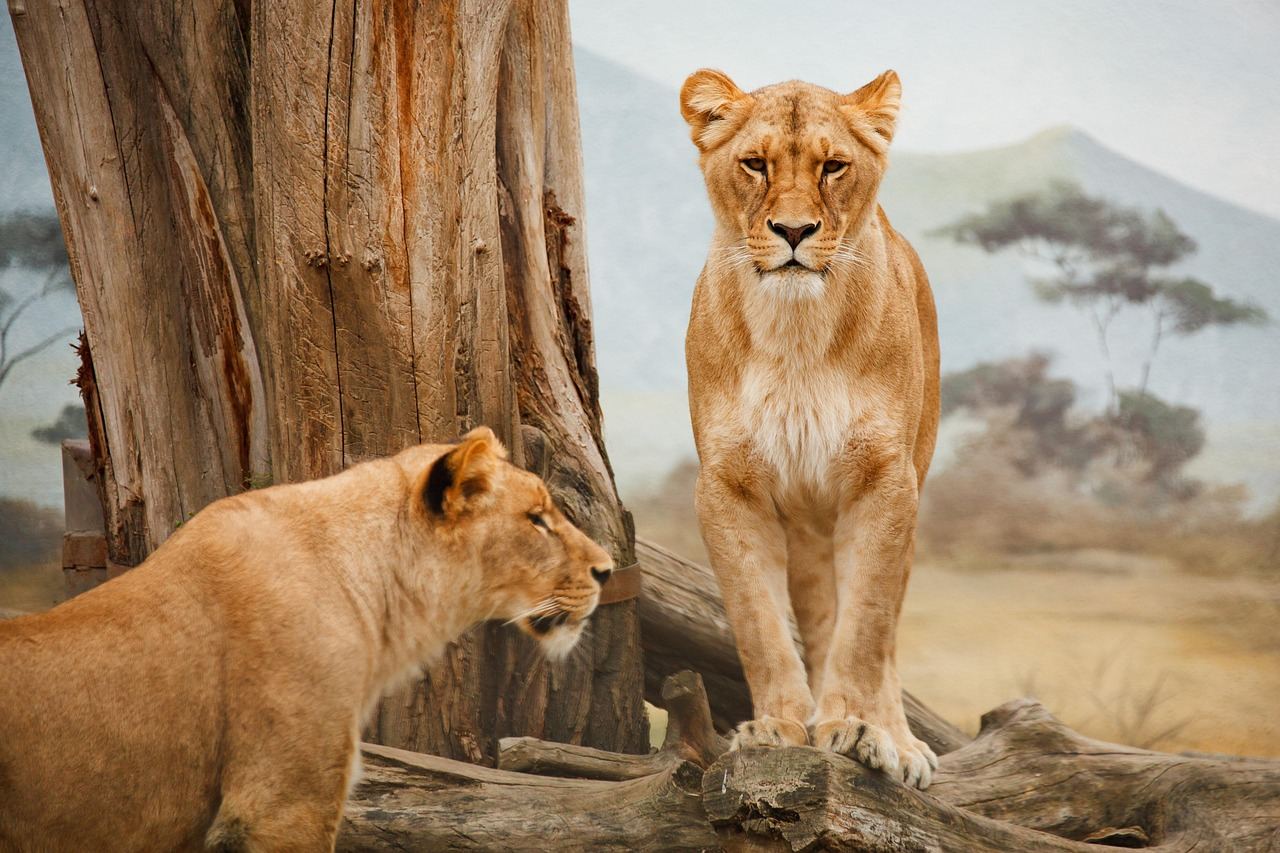
Wildlife study isn't just birdwatching — it's detective work, where you decode signs like bent twigs and fox trails to understand the ecosystem's narrative.
Getting started with wildlife study as a beginner involves observing and identifying local fauna and flora with just a field guide and a notebook. – usually with a field guide, a notebook, and patience.
Unlike birdwatching or wildlife photography, it's not organized around a single species or a shot.
The point is understanding behavior, patterns, and ecosystems – not just logging what you saw.
Wildlife study involves observing and documenting local animals through activities like scanning the skies for hawks, listening for nocturnal sounds, and maintaining detailed logs of sightings and behaviors. Practitioners engage in solo exploration, taking notes, sketching in nature journals, and using apps to identify species. This hands-on approach emphasizes repeated observations and personal …
Wildlife study triggers a flow state through sustained observation of animal behavior, balancing challenge with skill as one tracks and identifies species. It offers immediate feedback through personal records like life lists, fostering expertise and engagement. The novelty of each outing provides fresh discoveries, while achieving self-set goals delivers a sense of accomplishment and satisfactio…
You think wildlife study means binoculars, khaki vests, and writing down which birds you saw on Saturday morning. Maybe a clipboard. Definitely something your retired neighbor does. That assumption is costing you — because what's actually happening out there is closer to detective work than birdwatching.
A bent twig, a scrape in the mud, a pattern of silence — each one is a sentence if you know how to read it. Wildlife study trains attention that transfers to almost everything else you do. The ability to notice what changed, and why, and what it means — that's not a birdwatcher skill. That's a thinking skill.
You also become part of a real data picture. Citizen scientists contribute millions of verified observations annually to platforms like iNaturalist — data researchers actually use to track migration shifts and population collapse.
A wildlife ecologist once described her first independent track find like this: she found a fox trail in fresh snow, followed it for two miles, and watched the story change — a pause, a crouch, a redirect.
She wasn't watching an animal.
No binoculars. No clipboard.
She was reading the exact moment a fox decided not to hunt — and that level of reading is available to you sooner than you think, with the right starting points.
Wildlife documentaries have patient naturalists, perfect light, and animals that walk into frame on cue. Your first sessions will involve a lot of staring at an empty bush.
The first session, you'll move too fast, make too much noise, and flush every animal within 50 metres before you sit down. The second, you slow down — and get frustrated that slowing down still produces long stretches of nothing. Most beginners interpret that silence as failure, when it's actually the condition the skill gets built inside.
By the third or fourth session, you start reading the absence of animals — fresh tracks, scat, disturbed leaf litter — and your attention stops scanning for movement and starts reading the whole scene. That's not a small shift. It's the difference between looking and actually seeing. Then one unhurried observation lands — two seconds, heart rate spiked — and it earns back every blank hour.
Bring a physical field journal to your first session, not your phone. Drawing or describing what you see forces you to hold your gaze longer than a photo ever will — and longer looking is the entire skill, and it matters more than any gear you buy. The next section covers the specific mistakes that keep beginners stuck in the frustrating half far longer than necessary.
When to start: Early morning
Duration: 2 hours
Cost to try: $5
Success criteria: If you identify one bird or animal, record its behavior and habitat in notes, and match it to a field guide, do session 2.
Scanning the Whole Habitat Instead of One SpotBig landscapes feel exciting, so beginners sweep their binoculars constantly – and see nothing well. Pick one transition zone (where forest meets field, or reeds meet open water) and watch just that edge for 20 minutes straight.
Wearing Bright or Rustling ClothingMost people dress for the weather, not for animals that fled before you even arrived. Swap synthetics for matte wool or fleece – it moves quietly and reads as neutral to most mammals and birds.
Misidentifying by Shape AloneField guides train you to look at color, but you're usually seeing silhouettes, movement, and posture first. Practice "jizz" – the gestalt impression of how a species moves and holds itself – by watching common species until behavior feels as readable as markings.
Taking Notes After You Get HomeMemory feels reliable in the field. It isn't. Carry a small waterproof notebook and write behavior, light conditions, and exact location while you're still watching – details dissolve within an hour.
Moving Through Habitat Like You're HikingThe instinct is to cover ground, but every step you take is an announcement. Walk 10 steps, stop for 60 seconds, listen before moving again – animals reveal themselves to people who stop, not people who arrive.
Wildlife study happens wherever wildlife does — forests, wetlands, coastlines, urban parks, and your own backyard qualify.
Check out nature reserves, national parks, and urban green spaces for starting points by terrain type.
The fastest move is joining a local project on iNaturalist.org. Most active regions have dedicated observer groups you can message directly. Post an observation and someone local will respond.
For more structured groups, look up your nearest naturalist or wildlife trust. In the US, search your state name plus "naturalist society." In the UK, the Wildlife Trusts (wildlifetrusts.org) lists 46 county-level groups with open memberships.
Meetup.com is worth a search for "birding," "wildlife walk," or "nature journaling" too. These pull broader naturalist communities that aren't indexed under one governing body.
The National Audubon Society (audubon.org) runs a chapter locator. Even non-birders use these groups as an entry point into wider wildlife study networks.
Tell someone you're a beginner and you've mostly been observing without knowing what you're looking at. That one sentence will get you a species ID app recommendation, a local hotspot, and probably someone's personal field notes before the walk is over.
Experienced naturalists are not gatekeepers. They're people who have been waiting for an excuse to explain what a scat pile means.
The most popular entry point into wildlife study – and the one with the lowest barrier and highest immediate payoff. You can start in your backyard with a cheap pair of binoculars and a free app like *Merlin*. Best for total beginners who want structure fast, since birds are everywhere and well-documented. A decent starter pair of binoculars runs $50–$100 – the only real upfront cost.
You're not birdwatching – you're flipping logs and getting muddy. Herping means actively searching for snakes, frogs, salamanders, and lizards in the places they hide. Best for people who want a more hands-on, slightly unpredictable experience than scanning the treeline.
Less about spotting animals, more about reading the story they left behind – prints, scat, bedding, scratch marks. It turns any hike into a puzzle. Best for people who like solo, slow, detective-style observation over group outings. A good field guide to local tracks is worth the $15 – everything else you already own.
Tide pools, whale watching, shore seabirds, seal haul-outs – coastal wildlife runs on its own logic and its own calendar. Timing matters more here than in any other variant. Best for people near coastlines who want dramatic encounters without backcountry hiking.
You set up a motion-triggered camera and let nocturnal animals do the rest. It's wildlife study for people who hate waking up early – and it works. Best for beginners who want data and photos without spending hours in the field. Budget cameras start around $40, though reliability improves significantly around the $80–$120 range.
Amateur Astronomy lives in the same world — different mechanics, similar appeal.
If you want a related angle, Crystal Collecting is the natural next stop.
Stargazing is a sibling pursuit and often surfaces the same kind of curiosity.
Most beginners spend their first year collecting species counts – more birds, more mammals, more ticks on a list. The list is the trap. The real lever isn't breadth. It's learning to read animal sign.
Reading animal sign means decoding the physical evidence an animal leaves behind – tracks, scat, browse lines, hair snags, soil disturbance – and reconstructing what actually happened there.
Not "a deer was here." More like: a deer came from the treeline at dusk, paused, then moved downhill toward water.
Without this skill, you're dependent on seeing the animal. With it, the landscape becomes a record of everything that happened while you weren't watching.
Every habitat starts telling a story instead of just holding animals that occasionally appear. Birders who can't read sign stay birders. People who can read sign become naturalists.
Eight sessions over 30 days — roughly twice a week.
That cadence matters because wildlife observation is seasonal and cumulative. You start recognizing patterns only after repeated visits to the same places. Eight sessions gives you enough data points to know if noticing things feels rewarding, or just tedious.
If you're already thinking about what you missed before the session is even over — what you want to look for next time, what that bird was, why the deer went that direction — that's not curiosity about nature in the abstract. That's the hobby. Start a local species list and pick one taxonomic group to go deeper on.
If the eight sessions felt fine but forgettable, that's usually an environment problem, not a hobby problem. Try a different habitat — wetland instead of woodland, dawn instead of midday — and run four more sessions before drawing any conclusions.
If you felt genuine resistance to going at all — not "it was cold," but actual reluctance — read that honestly. Slow, quiet observation with long stretches of nothing is the core mechanic. That never really changes. If stillness feels like punishment rather than relief, this probably isn't your thing.
You've been pausing to watch birds out the window for years — not thinking about it, just doing it.
Or you slow down near ponds. Or you keep photographing insects you can't name yet.
That low-level, unprompted attention is exactly what wildlife study formalizes — and people who already do it casually almost always find the structured version more satisfying, not less.
No realistic access to natural spaces and no transport to reach them is a structural problem. This hobby can't be practiced meaningfully indoors, regardless of what apps exist.
Mobility or chronic pain issues that make irregular terrain and long standing periods genuinely difficult will work against you consistently — not occasionally. That's worth weighing before investing time in the test.
And if your schedule only opens in short, unpredictable windows, the best encounters reward patience and timing, not squeezing in 20 minutes between meetings. The hobby will frustrate you more than it satisfies you.
For quicker fixes, see our roundup of things to do when you're bored.
No, wildlife study is accessible to beginners of all ages. You can start by observing animals in your local area—parks, backyards, or nature reserves—using just binoculars or a camera. As you progress, you can join guided field trips, take online courses, or connect with citizen science projects that welcome newcomers.
A basic setup includes binoculars, a notebook for observations, and a camera or smartphone for documentation. As you advance, you might invest in a field guide for your region, a spotting scope, or specialized recording equipment. Most essential items cost under $100 to start.
You'll notice improvements in spotting and identifying animals within the first few weeks of regular practice. Developing deeper expertise—understanding behavior patterns and ecosystem relationships—typically takes several months to years of consistent observation and study.
You can participate in citizen science projects like eBird, iNaturalist, or local wildlife surveys where your observations directly support research and conservation decisions. Many organizations use data from volunteers to track population trends and protect endangered species habitats.
Yes, different seasons offer different opportunities—migration patterns, breeding behaviors, and seasonal visibility changes keep the hobby fresh throughout the year. Even winter offers unique observations like tracking animals in snow or studying dormant ecosystems.
You can start in your own backyard, local parks, or nearby nature reserves—no travel required. Local ecosystems are easiest to study repeatedly and understand deeply, and you'll likely discover wildlife patterns most people never notice in their own neighborhoods.