BoredomBusted — Find Your Next Favorite Thing To Do
Discover hobbies, activities, places, and ideas that spark joy. Whether you're looking for something creative, active, social, or relaxing, BoredomBusted helps you find your next favorite thing to do.
Browse our hobby guides, things-to-do collections, and place ideas to never be bored again.
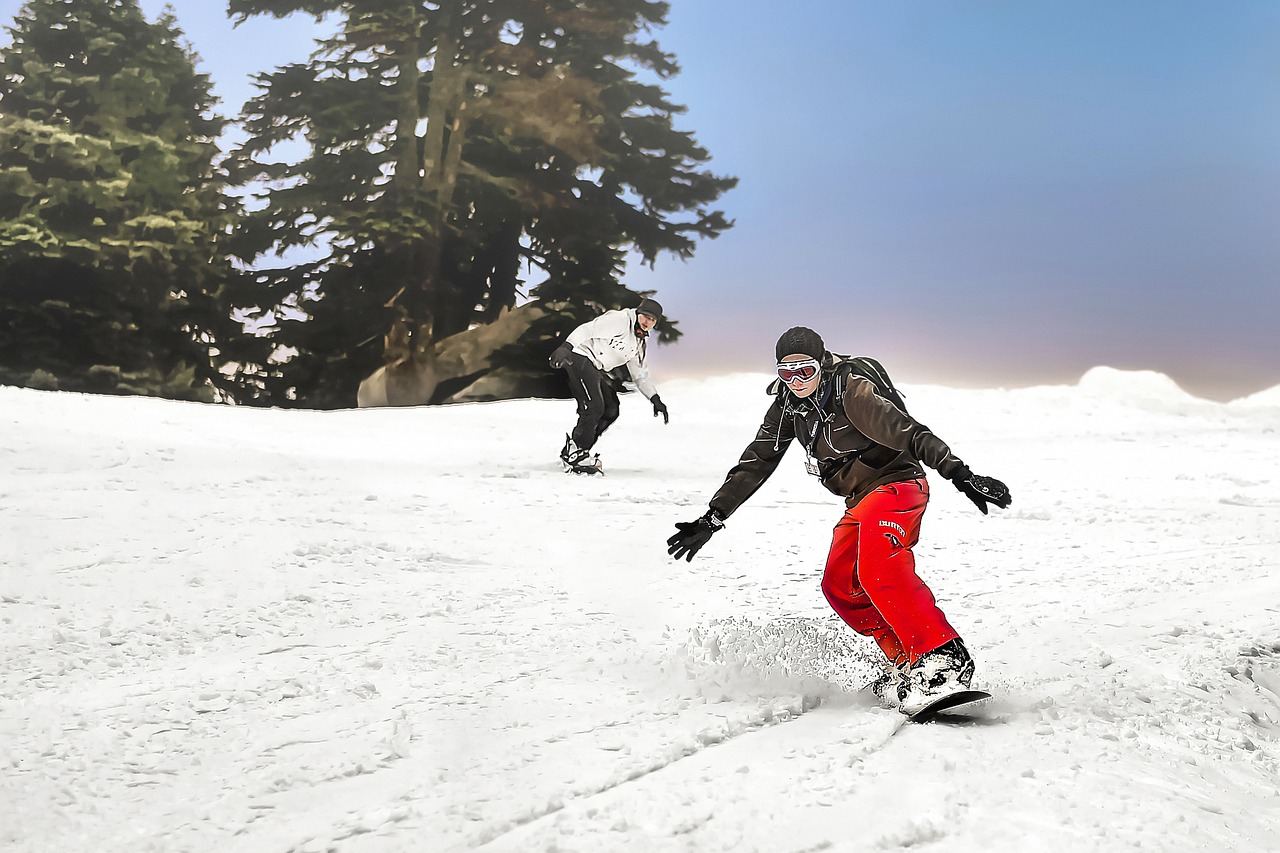
Freestyle snowboarding is less about huge jumps and more about mastering body awareness and creativity—many riders invest years in small features to develop unique movement vocabularies.
Learning freestyle snowboarding as a beginner focuses on mastering essential tricks and techniques that enhance your ride on various terrains. Freestyle snowboarding means riding specifically to perform tricks – on rails, jumps, halfpipes, or natural terrain features.
You use the board's flex and edge control to launch, spin, and land maneuvers.
Unlike resort cruising or racing, the mountain is just the equipment – every run is a chance to build a move, not just complete a descent.
Freestyle snowboarding involves practicing a variety of tricks on snow, such as ollies, spins, and grinds, primarily in terrain parks. Riders focus on body control and precision, executing jumps and maneuvers while analyzing their performance through personal video footage to refine their skills. Each session offers opportunities to experiment with new tricks and styles on diverse features like r…
Freestyle snowboarding fosters flow states through high-focus drills that demand precision and spatial awareness, while immediate skill feedback from video analysis provides tangible progress and a sense of accomplishment. The creative expression in customizing tricks and the novelty of varied terrain combat boredom by keeping the experience engaging and dynamic.
Freestyle snowboarding isn't just for the fearless teens you see in YouTube highlights. You're probably picturing big air tricks that end in crash landings, with a side of costly medical bills.
This view overlooks one of the most creatively rewarding sports out there.
Sure, freestyle has its extreme moments, but it's really about developing body control so finely tuned you can adjust mid-air.
Derek, a 45-year-old software engineer, is proof that beginners can tackle the park scene. He jumped in at 41, dedicating his first season to mastering a simple box in the beginner area.
By his third season, Derek was combining rail tricks his teenage kids admired.His secret was learning the mechanics, taking small steps instead of rushing into big tricks.
Freestyle isn't about quick thrills.
It's about building skill through patience – and that's what shapes real progression on the mountain.
Let's dig into how you can start transforming your style.
Freestyle snowboarding looks like chaos that resolves into perfection. Spins, grabs, and landings seem hard but learnable.
It is learnable, but it won't feel like it at first. Those early sessions will convince you your body forgot how to move.
The board does nothing you expect. Your back foot feels misplaced, and jumps are more controlled falls than anything else. Calling them "controlled" is being generous.
Week one is about learning to fall without panic. The mountain humbles you before teaching anything else.
By week two, ollies start making sense on flat ground, but small features reset your timing. Week three sees your first clean landing, followed by several failures. That's normal progression.
In week four, speed becomes less intimidating. You start making decisions in the air instead of purely surviving.
Ollie uphill first, not on flat. It forces you to time the pop correctly. Otherwise, bad habits transfer to the kicker, and you wonder why you land on your heels.
By week two, you'll want to rush to jumps. Flat boxes will bore you, and slow laps will feel pointless. That boredom is the test. Most people who quit freestyle do so during this phase, right before it actually gets rewarding.
When to start: Early morning
Duration: 2 hours
Cost to try: $0
Success criteria: If you land three straight ollies or small straight airs on the same feature with both feet down and ride away cleanly, do session 2.
Beginners often rent or buy all-mountain boards because they look "serious"—but a stiff board punishes you for every small mistake in the park.
Rent a dedicated freestyle or park board rated soft to medium flex before buying anything, so the board works with your errors instead of amplifying them.
It feels natural to face where you're going, but rotating your upper body toward the feature kills your balanced approach and throws your pop off-axis.
Keep your shoulders parallel to your board on approach—only let them rotate after you've left the lip.
New riders lean onto their dominant edge out of habit, which means they're already off-balance before they're airborne.
Practice flat-base ollies on the flats first—if the tail pops clean and level, your weight is centered correctly.
It's instinct to stare at where you're about to land, but dropping your head pulls your whole body forward and you'll case the knuckle every time.
Pick your landing once on the approach then fix your gaze at the horizon through the air and let your peripheral vision do the rest.
The park looks like everyone's spinning, so beginners rush there too—but a sketchy 180 just teaches you to land badly with style.
Do ten clean, controlled straight airs where you're landing centered and rolling away smooth before you ever start winding up a rotation.
Freestyle snowboarding thrives at ski resorts with terrain parks and some indoor snow centers with year-round setups.
Introduce yourself to the coach or organizer. Say you're new to the park but comfortable on groomed runs. They'll likely guide you to the box progressions, which are ideal for starting out.
Freestyle snowboarding isn't one thing. The hill you ride, the features you hit, and what you're chasing all point you toward different corners of the sport.
Rails, boxes, jumps, and jibs await in a dedicated terrain park. It's structured and designed for all skill levels.
Best for beginners wanting a clear path and defined tricks to master.
Ride a U-shaped snow channel and soar above the lip for spins and grabs. Transitions and air awareness are key here. It requires time to master.
Best for riders confident on jumps aiming for a competitive edge.
One jump, one trick, everything on the line. It's high-stakes snowboarding. Not for beginners, as most riders build up from park skills first.
Best for intermediate-to-advanced riders, craving maximum hang time.
Slopestyle merges rails, boxes, and jumps in one sequence. You're doing a full run, not just one feature. This style values flexibility.
Best for park riders comfortable on both rails and jumps.
Natural terrain takes center stage. Drop cliffs, hit wind lips, and carve your own kickers. This variant is about reading snow as much as doing tricks.
Best for experienced riders only. An avalanche safety kit is a must here.
Snowkiting lives in the same world — different mechanics, similar appeal.
If you want a related angle, Splitboarding is the natural next stop.
Alpine Snowboarding is a sibling pursuit and often surfaces the same kind of curiosity.
Visual commitment in freestyle snowboarding is what makes your jumps truly click.
Most beginners spend months chasing better pop. They jump harder, load the tail more, and time the lip perfectly. But that's not the problem. The real ceiling is where you're looking.
Lock your eyes onto your landing spot before you leave the ground, not after you peak. On rails, spot the end of the feature while approaching. On jumps, turn your head toward the landing as you pop. Your body naturally follows your vision.
When your eyes lead, shoulders and hips align effortlessly. Spins stop being a battle. They become rotations you simply allow. Without visual commitment, you're reacting mid-air instead of riding where you've planned.
Tricks that feel "almost there" often stem from an eyes issue, not a feet issue.
Commit to 6 sessions over 30 days. One or two days a week gives you the chance to push past the basics and start feeling the rhythm.
You're already dreaming of next season's passes. You're thinking about riding between sessions, watching edits online, and curious about board specs. That's your cue. Invest in a lift pass and maybe look into finding a coach.
Showing up feels meh. If the sessions felt neutral, the fun likely got buried under the learning curve. Try three more sessions focused on mastering one specific trick. If there's still no spark, you probably found your answer.
The drive was a drag, and you counted minutes to leave. It's not about bad weather or gear hiccups. If you can't tolerate the cold, fear, and falls, take it as solid feedback on what you're willing to do.
The unmissable sign: you're watching terrain park edits at 11pm. Forget the ski videos or general winter sports; you're zeroed in on riders hitting rails and kickers.
Freestyle Snowboarding is one path among many — browse the full hobbies list to weigh it against the rest.
You'll need a freestyle snowboard, bindings, boots, helmet, goggles, and layers of warm clothing. Beginners should invest in protective gear like wrist guards, knee pads, and elbow pads since falls are part of learning. A good all-mountain or park-specific board designed for tricks will make progression easier.
Most beginners can learn fundamental tricks like basic grabs and small spins within 2–4 weeks of regular practice on easy terrain. Progressing to more complex tricks like 180s and flips takes several months of consistent riding and dedicated park time.
You should be comfortable with basic snowboarding—controlling speed, stopping, and turning—before attempting tricks. Freestyle focuses on style and technical skills, so having a solid foundation prevents injuries and accelerates your learning curve.
A complete beginner setup (board, bindings, boots, helmet, and protective gear) typically costs $400–$800. Entry-level equipment is affordable, and you can upgrade individual pieces as your skills improve.
Freestyle focuses on tricks, jumps, and style in terrain parks and controlled features, while freeride is about exploring natural terrain and backcountry. Freestyle requires precision and often happens on groomed features, whereas freeride emphasizes riding variable mountain terrain.
Freestyle involves higher injury risk than regular snowboarding due to tricks and big air, but proper helmet use, protective gear, and progressive skill-building significantly reduce injury severity. Starting small and respecting your limits is key to staying safe while pushing your abilities.