BoredomBusted — Find Your Next Favorite Thing To Do
Discover hobbies, activities, places, and ideas that spark joy. Whether you're looking for something creative, active, social, or relaxing, BoredomBusted helps you find your next favorite thing to do.
Browse our hobby guides, things-to-do collections, and place ideas to never be bored again.
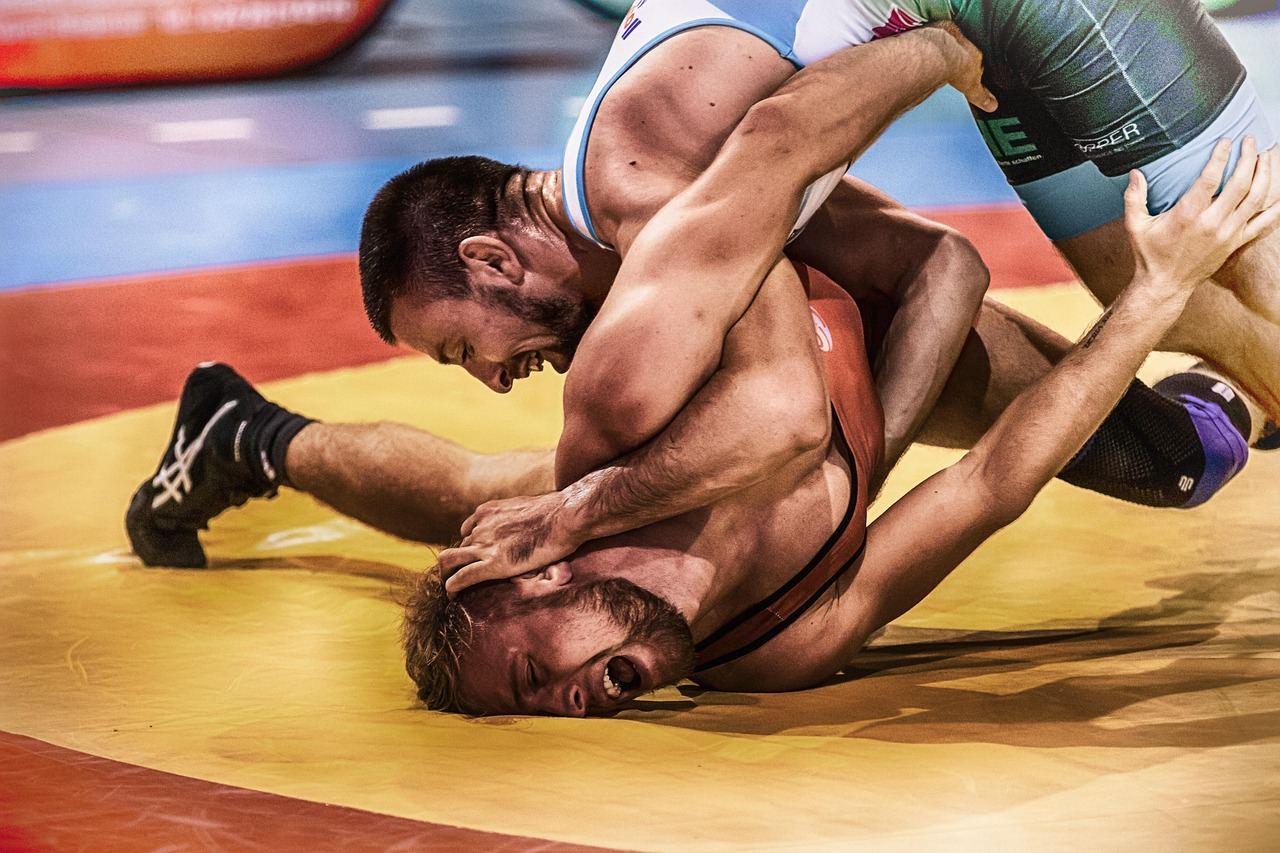
Lethwei isn't just brutal fighting — it's a strategic game akin to chess, requiring discipline and mental fortitude to outsmart opponents.
Getting started with Lethwei as a beginner means embracing the intensity of bare-knuckle combat from Myanmar. No gloves. No padding. Headbutts are legal — which immediately tells you this isn't your average striking sport.
Fighters use fists, elbows, knees, and feet in full-contact exchanges. The ruleset rewards aggression and pain tolerance in ways most combat sports deliberately avoid.
In Lethwei, practitioners engage in intense bare-knuckle striking that incorporates punches, elbows, knees, shins, and headbutts, focusing on shadowboxing, bag work, and pad drills to develop their techniques. They also practice clinch work, short-range combinations, and sparring, which emphasizes tactical awareness and adaptability, all while conditioning their bodies for the demands of bare-knu…
Lethwei induces a flow state through its high cognitive load and immediate feedback mechanisms, where practitioners must constantly adapt their tactics and techniques, leading to enhanced engagement and reduced feelings of boredom. The progressive challenge curve and visible skill mastery foster intrinsic motivation, while the unique cultural rituals and social connections provide a strong sense …
You think Lethwei is just about brutal fights and nothing else.
It's really about tradition and discipline. While it is a full-contact sport, the focus is on mastering techniques and strategy, not raw brawling.
Lethwei emphasizes respect and mental strength. Fighters train rigorously to improve their skills, always aiming to outsmart opponents rather than just overpower them.
A chess match with punches. Precision and adaptability dictate the terms. That's what Lethwei really demands.
Explore how fighters develop these skills in the upcoming section.
Your first session will humble you fast. The bag feels harder than expected, your arms tire after two minutes of combinations, and the stance that looks simple in videos refuses to feel natural on your feet. The cognitive load hits before the physical one does — you're trying to remember where your hands go, how to pivot, and what your hips are supposed to be doing, all at the same time.
The thing beginners don't see coming is the clinch. You expect to throw strikes and move. Then someone ties you up at close range and suddenly nothing you practiced at distance applies. Most of your early frustration lives in that one-foot gap between you and your partner — too close to punch cleanly, not sure how to use your elbows, and completely unclear on where your head should be.
The bare-knuckle context changes how pad work feels too. Without gloves absorbing the slop, sloppy technique lands differently — you feel it in your wrist alignment and your knuckles before anyone has to tell you your form is off. That immediate feedback is uncomfortable at first. But it's also the fastest error-correction system in any striking discipline. Your body learns what your brain is still catching up on.
Expect the first few sessions to feel like controlled chaos with moments of clarity cutting through. Those moments — one clean elbow, one combination that flows — are what pull people back. The next section covers the mistakes that slow those breakthroughs down.
When to start: 8:00 AM
Duration: 1 hour
Cost to try: $0
Success criteria: If you can hold a basic Lethwei stance and complete 10 clean footwork steps plus 10 straight punches on both sides, do session 2.
Most beginners come from boxing, Muay Thai, or MMA. That background helps — but it also creates a mental shortcut that slows progress. Lethwei isn't a modified version of those sports. The headbutt changes every distance calculation you've already internalized. Clinch range isn't a reset. It's an attack zone.
Drill the headbutt as a real weapon from day one — not a novelty. If you're treating it like an afterthought, you're training a different sport.
Bare-knuckle striking punishes poor conditioning immediately and without mercy. Beginners rush toward sparring because it feels like the real work. It isn't. Your skin, tendons, and impact tolerance need weeks of bag and pad work before live contact makes sense. Jumping ahead just means injuries that bench you for a month.
Shadowboxing and bag rounds aren't filler. They're where your technique actually gets built. Spar when your coach says you're ready — not when you're bored of drilling.
New practitioners often disengage the moment a clinch develops. It feels awkward, and they haven't trained it, so they back out. That's exactly backwards. The clinch is where Lethwei's most dangerous weapons — elbows, knees, and headbutts — do their best work. Avoiding it means abandoning half the system.
Ask your trainer for dedicated clinch rounds. Get comfortable at that distance. The discomfort is exactly why it's worth learning.
There's a version of this mistake in every striking sport, but Lethwei amplifies it. Beginners swing hard because the sport looks ferocious, and ferocious seems like the point. Sloppy power in a bare-knuckle context means broken hands and telegraphed attacks that experienced partners will punish cleanly. Precision comes first. Power follows it naturally.
Slow the combinations down in drilling. Land clean before you land hard. Your sparring partners will also appreciate it.
Lethwei carries deep roots in Myanmar's traditions, rituals, and community. Beginners who strip that away and treat it as pure combat training miss the framework that makes the discipline coherent. The rituals and respect culture aren't ceremony — they shape how practitioners approach the mental demands of the sport. That context is part of why training produces genuine resilience.
Read about the history. Ask coaches about the traditions. Engaging with where Lethwei comes from makes you a better student of the system, not just a harder hitter.
Lethwei gyms are rare outside Southeast Asia, so your first move is finding a Muay Thai gym that also coaches Lethwei or welcomes crossover training. Search "Lethwei training" plus your city on Google Maps — a handful of dedicated gyms exist in the US, UK, and Australia, and they're growing. The World Lethwei Championship website also maintains a list of affiliated gyms and coaches worth checking directly.
r/Lethwei on Reddit is the most active English-language hub for practitioners. Threads cover conditioning, headbutt mechanics, rule differences, and gym recommendations by region. The Facebook group "Lethwei Worldwide" skews more toward fight footage but surfaces event announcements and coach contacts regularly.
For in-person events, World Lethwei Championship bouts and regional amateur cards are your best bet to meet serious practitioners. Attending even as a spectator puts you in the same room as coaches actively looking for new students.
Join any Muay Thai or MMA gym and tell the coaches your interest. Most Muay Thai coaches can begin integrating Lethwei-specific work — clinch entries, headbutt range awareness, bare-knuckle conditioning — once they know what you're training toward. The base skillset overlaps heavily enough that you won't be starting from scratch.
Fitness-focused Lethwei training is built around bag work, pad drills, and shadowboxing. You build conditioning fast without ever needing to spar.
This is the entry point for people who want serious physical results without committing to contact. The techniques are real — you're just controlling how much impact you take while you learn them.
Experienced Muay Thai or boxing practitioners often come to Lethwei to add tools their base sport doesn't cover. Headbutts, different clinch mechanics, and bare-knuckle distance management all force adjustments.
The headbutt changes everything about how you manage range in the clinch. Fighters with a striking background find it genuinely humbling — in a productive way.
Live sparring in Lethwei is cognitively demanding. You're reading an opponent, managing nine weapons, and making split-second decisions — all without gloves absorbing the feedback.
This variant suits people who get bored with repetitive drilling and need live resistance to stay engaged. The immediate consequences of bad positioning teach faster than any pad session.
Lethwei carries deep roots in Myanmar's history. Gyms that honor the tradition incorporate ritual, ceremony, and a specific code of conduct that shapes how you carry yourself outside of training.
The cultural framework gives the physicality a context that pure fitness training never provides. For some practitioners, that's the part that keeps them coming back.
Amateur Lethwei competition exists, and it's growing outside Myanmar. Bouts at this level typically introduce some protective equipment while keeping the core ruleset intact.
This path is for people who need a performance goal to train with genuine intent. Having a fight date on the calendar changes the quality of every session before it.
For something adjacent, see Kabaddi.
If the texture of this appeals to you, Krav Maga is built on similar bones.
A close neighbor worth considering: Mixed Martial Arts.
The skill that separates improving Lethwei practitioners from those who stall is reading distance in real time and adjusting your entire game around it.
Most beginners focus on the weapons — the headbutt, the elbow, the knee. That's understandable. Lethwei has more tools than almost any striking system. But stacking techniques doesn't move you forward. What actually does is knowing precisely which range you're in and which tool belongs there.
Without gloves, a misjudged gap means a bare fist or headbutt lands clean. The margin for error collapses fast. Distance management isn't a background skill in Lethwei — it's the entire game.
At long range you're throwing punches and shins. Step inside that and elbows take over. Step inside again and knees and clinch control the exchange. Each zone has its own logic. Fighters who drift between ranges without intention get picked apart — not because their technique is weak, but because they're using the wrong tool for where they are.
This is where Lethwei's training structure does the work for you. Pad drills, bag work, and sparring all give immediate, physical feedback. A headbutt thrown from an inch too far doesn't land — you feel it instantly. That fast feedback loop is exactly why distance awareness develops faster here than in padded combat sports.
The clinch drills aren't just about control — they're forcing you to recognize the precise moment long-range fighting ends. Once that recognition becomes instinctive, everything else clicks into place.
The next section covers how to actually start building this in training — from your first session through early sparring.
Commit to four sessions over two weeks — enough to feel the conditioning demands and get your first real read on the striking fundamentals.
You pushed through the soreness and still found yourself mentally replaying combinations on the drive home. That pull is the signal — your brain is treating this as a problem worth solving. Start asking your gym about clinch work and pad drills if they haven't introduced them yet. The real depth of Lethwei opens up once your basics have structure.
Neutral isn't a dead end — it often means the context was wrong. Lethwei changes significantly once you're doing live pad work with a good trainer rather than just drilling alone. If your first four sessions were mostly bag work and conditioning circuits, push for one proper pad session before you write it off.
Consistent dread during sessions isn't a conditioning problem — it usually means the full-contact, bare-knuckle format conflicts with what you actually want from training. That's useful information. Muay Thai or wrestling offer similar mental engagement and fitness payoff with a ruleset that might sit better with you.
If you catch yourself watching Lethwei fight footage at midnight and mentally breaking down a fighter's elbow entry, that involuntary curiosity is more reliable than how your body felt after session one.
Not sure lethwei is for you? The full hobby list covers everything else worth considering.
No, Lethwei is open to beginners, though martial arts experience can be helpful.
With proper training and safety gear, Lethwei can be a safe and rewarding sport.
Sessions often include warm-ups, technique drills, sparring, and conditioning exercises.
Yes, once you've gained enough skill and confidence, local competitions are possible.
Search online for martial arts gyms or contact local sports clubs for recommendations.