BoredomBusted — Find Your Next Favorite Thing To Do
Discover hobbies, activities, places, and ideas that spark joy. Whether you're looking for something creative, active, social, or relaxing, BoredomBusted helps you find your next favorite thing to do.
Browse our hobby guides, things-to-do collections, and place ideas to never be bored again.
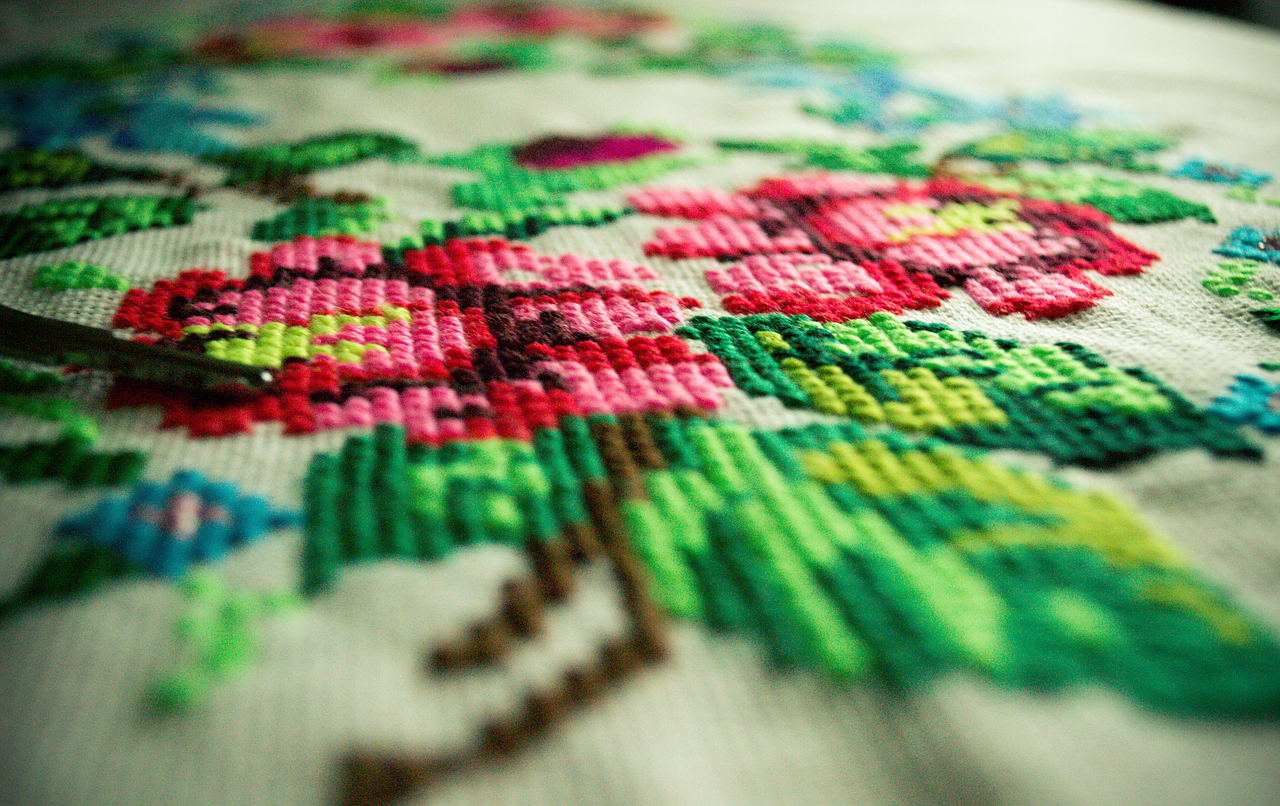
Cross stitch isn't just for samplers — it trains your spatial logic and can lead to custom designs as intricate as you desire, just like climbing is a craft of persistence.
Getting started with cross stitch as a beginner is straightforward, as it utilizes a grid to guide your stitching efforts. Form small X-shaped stitches on even-weave fabric.
Every stitch has a fixed position, making it beginner-friendly with stunning results. Expect impressive visual payoff.
In cross stitch, you create images by making precise X-shaped stitches on fabric using a needle and thread, following a pattern chart that guides color choices and stitch placement. This involves threading the needle, inserting it through the fabric at specific angles, maintaining consistent stitch tension, and methodically progressing across the design.
Cross stitch fosters a flow state by requiring focused attention on patterns and stitch consistency, while providing immediate feedback with each completed stitch. This structured engagement, combined with the ability to plan projects, creates a sense of accomplishment and fosters social belonging through community accountability.
You think cross stitch is something your grandmother did in front of the TV. Tiny X's on a hoop, maybe a sampler that says "Home Sweet Home."
That assumption is costing you one of the most satisfying creative skills you could actually pick up this year.
Cross stitch is a counting and pattern-reading system. The stitching is almost secondary to the spatial logic you're building every session. The "slow" part people mock is the same thing runners call a long run. It's where the stress actually leaves your body, not just gets paused.
Modern patterns include pixel-art video game characters and topographic maps. The creative possibilities are endless with countless themes to choose from.
Consider Sarah Hernandez. Rock climbing injuries forced her to pause her beloved hobby. Six months later, she completed a 14-color piece of her dog, no kit or template, just a self-crafted pattern. She didn't become a different person. She just had a skill she didn't have before.
Materials are the next thing people get wrong – and the gap between what beginners buy and what actually works is wider than you'd expect.
Cross stitching appears peaceful. Rhythmic, almost boring in a good way. Watching isn't doing.
When you finally pick up the needle and 18-count Aida cloth, reality sets in. Dropped needles, tangled threads, and miscounting squares become your starting point.
Real improvement is messier than you'd expect. Week one is an exercise in patience as you untangle thread more than you stitch. In week two, your stitches finally face one direction, but tension is off. By week three, you notice mistakes faster—catching errors before they snowball. Around week four, you complete a small section cleanly, and it feels like magic.
You're not behind if your first attempts look rough. Everyone's does. The difference isn't patience; it's persistence in those ugly stages.
Begin by cutting your thread to 18 inches max. Avoid the beginner's mistake of an arm-length pull. Longer threads twist, shred, and tangle, frustrating novices into quitting. The coming section tackles common errors and how to dodge them.
When to start: Early morning
Duration: 1 hour
Cost to try: $15
Success criteria: If you complete 20 neat X-stitches in a 2-inch square and secure the thread with a clean back, do session 2.
Aida 18-count fabric looks great in photos. Beginners often jump right in and buy it. Then they struggle with tiny holes and tension issues.
Use 14-count Aida for your first projects. It's easier on the eyes, and your stitches will be more even.
Beginners sometimes change the direction of top stitches without realizing. This results in a dull-looking piece.
Choose one direction for your top stitches, like bottom-left to top-right. Stick to it consistently, even if it feels awkward at times.
Jumping your thread more than a few squares can seem time-saving. But it often shows as a dark line on lighter fabrics.
If you need to move more than 3–4 squares, secure the thread and start a new section to avoid those lines.
Yanking the thread tight makes stitches seem secure. But it causes puckering that ironing can't fix.
Let the thread drape lightly on the fabric. If the fabric shifts, ease up on the tension.
Knots seem like an obvious choice to secure thread. However, they can create lumps and even pop through the fabric over time.
Use an away waste knot or loop start method instead. They provide flat, secure anchors for your stitches.
Cross stitch is portable. It fits wherever you can sit still — a cozy couch, a bustling coffee shop, or a quiet library corner.
For a more social experience, find craft studios or community centers. These spaces often host stitch-alongs for enthusiasts.
The Embroiderers' Guild of America offers more than just events. They provide education programs and certifications for enthusiasts seeking to advance their skills.
Working from a chart, you count squares to place stitches on unmarked fabric. No printed guide helps you; it's just you and the pattern.
The standard form of cross stitch, it's what most people mean by "cross stitch" and what most kits teach.
Ideal for those seeking a wide range of patterns, including many free ones online.
The pattern is pre-printed on the fabric; just stitch over the marks. There's no need for counting.
Removes the counting entirely, but limits you to available pre-printed designs, which can feel restrictive.
Great for beginners eager to complete a weekend project without frustration.
Use single-color stitching with geometric patterns, traditionally black thread on white fabric.
More architectural and sharp, like graphic design rather than cozy samplers.
Perfect for those who dislike rainbow-colored florals and prefer high-contrast aesthetics.
Combines counted stitches with cut and withdrawn threads to create open lacework.
Harder than it sounds. A single wrong snip and it's over.
Best for experienced cross stitchers seeking not just a project, but a technical challenge.
Needlepoint uses a rigid canvas, and stitches in one direction create denser results.
Canvas rigidity and heavier thread coverage make pieces more durable.
Ideal for creating functional objects like cushion covers or eyeglass cases.
Readers who enjoy this often gravitate toward Lacemaking next.
If this resonates, Felting explores a similar direction.
Thread management based on fabric count is critical. Misjudge the number of strands and your stitches will either pucker or look threadbare. For 14-count aida, you need two strands. On 18-count, usually one is enough. Mistakes here, and your finished piece is doomed, no matter how careful your stitching.
Getting the thread count right means your stitches fit the fabric perfectly. Without this, you'll see gaps or bunching that blame tension when the fabric set the real issue.
Try 8 sessions over 30 days, about twice a week. This pace helps you move past beginner errors and get a feel for a session's real rhythm.
Cross stitch has a deceptively slow start. The first two sessions are just logistics.
Session five or six is where the hobby clicks or doesn't. Use a few more sessions to know for sure.
If you're always thinking about cross stitch between sessions, that's a great sign. Planning color changes before sitting down suggests the meditative rhythm suits you. Next, challenge yourself with a slightly more complex pattern and aim to complete it.
Feeling indifferent after 8 sessions indicates neutral ground. Everything went smoothly, but it didn't linger in your thoughts otherwise. Extending the trial is an option, but first ask why you would do so and what you expect to happen differently.
If sitting down felt like a chore, that's clear feedback. The slow pace might be constricting rather than soothing for you. Accept it as a preference, not a deficit, and consider other hobbies.
You can't ignore stopping to study finished cross stitch pieces online. Not just as eye candy, but dissecting their technique. This curiosity means you're already thinking like a creator, which shows real interest.
If cross stitch feels like too much to commit to right now, browse what to do when you're bored for lower-stakes ideas.
You can get started with a basic beginner kit for $15–$30, which includes a needle, thread, fabric, and a simple pattern. As you advance, you may invest in higher-quality materials and larger projects, but entry costs are very affordable compared to many other hobbies.
Simple small projects can take 5–10 hours, while medium designs might require 20–50 hours. Large, detailed pieces can take several months of regular stitching. The time depends on the design complexity, fabric count, and how frequently you work on it.
No, cross stitch is one of the easiest needlework crafts to learn—the basic x-shaped stitch can be mastered in minutes. Beginners should start with small, simple patterns to build confidence before moving to more complex designs with multiple colors and stitching techniques.
You'll need embroidery floss (thread), a cross stitch needle, counted fabric (like Aida cloth), a pattern, and optionally a hoop or frame to keep fabric taut. Most beginners buy starter kits that include all these essentials in one package.
Absolutely—finished cross stitch pieces make thoughtful, personalized gifts that can be framed, sewn onto pillows, or displayed as wall art. Handmade cross stitch gifts are meaningful because they show time, effort, and care invested by the maker.
Cross stitching requires minimal space—just a small table or lap is enough to work comfortably. You can stitch anywhere you have good lighting and a flat surface, making it an ideal hobby for apartments, travel, or cozy reading nooks.