BoredomBusted — Find Your Next Favorite Thing To Do
Discover hobbies, activities, places, and ideas that spark joy. Whether you're looking for something creative, active, social, or relaxing, BoredomBusted helps you find your next favorite thing to do.
Browse our hobby guides, things-to-do collections, and place ideas to never be bored again.
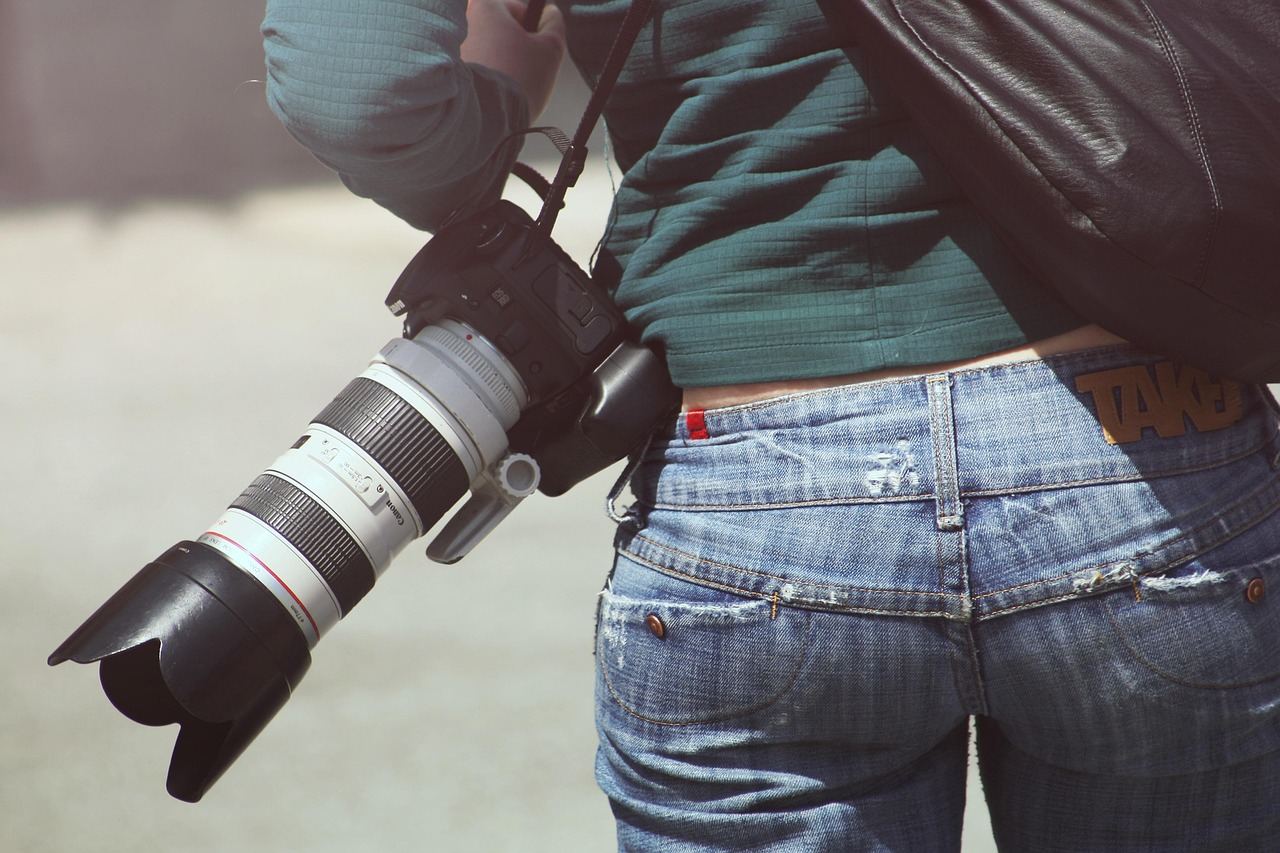
Event photography isn't just snapping photos; it's a pressure-packed puzzle of timing, positioning, and storytelling where the camera is only a small part of the solution.
Getting started with event photography as a beginner requires a keen eye for spontaneous moments and the ability to adapt to various lighting conditions. — weddings, concerts, corporate nights, birthday chaos — with no retakes and no controlled lighting.
You're reacting, not directing.
Unlike portrait or studio photography, the scene doesn't wait for you.
Your job is to find the shot inside someone else's moment, not create your own.
In event photography, practitioners actively capture moments by moving through spaces with a camera, seeking candid shots of interactions, gestures, and emotions during events like weddings or concerts. They anticipate key moments, experiment with framing by shooting through objects, and engage in image selection and editing post-event to create a polished portfolio of their work.
This hobby satisfies a creative drive by requiring focused observation and compositional skills, providing incremental feedback through the process of selecting and editing images, which fosters a sense of accomplishment as practitioners see their skills develop over time.
You think event photography is about showing up and snapping photos. Point, click, done – how hard can it be?
That's why your first attempts come back blurry and dark. The reality is much more complex.
A wedding photographer once said the job isn't about documenting what happened. You're constructing a story from a few seconds you were given. The couple's cake-cutting is thirty seconds. You get one chance. Wide for the room or tight for the expression – decide now.
Event photography is real-time problem solving. You need to read the room, anticipate moments, and adjust settings quickly. The camera is only the last 10% of the job. The real skill is positioning and timing, and understanding what moments matter.
Every venue is a technical puzzle with mixed lighting, moving crowds, and no do-overs. Someone always expects a perfect shot of what you might miss. What gear do you actually need to pull this off? That's the right question – and the answer may surprise you.
Event photographers glide through crowds effortlessly. One hand on the camera, moving easily.
You'll realize the camera is the easy part. Guests blur past, wrong settings trip you up, and the cake gets cut while you're fiddling with the flash.
You'll surprise yourself. You catch the toast, anticipate laughter, and move with confidence. You'll come back with a few shots you're proud of.
Early on, you'll focus on your histogram more than the room. Misreads make you shoot too early, and missed shots sting less over time. It's growth, not defeat.
By the fourth week, you'll nail a full sequence. A little magic that shows your emerging skill.
Blur and missed moments are just part of learning. They don't define your talent.
You're not bad at photography. You just need to learn how to read an event first, not the light. That's the skill to practice.
Set your camera to Auto ISO with a ceiling of 3200 and a minimum shutter of 1/200. The photos might be technically worse, but you'll stop freezing up and start moving.
When to start: Morning
Duration: 1.5 hours
Cost to try: $10
Success criteria: If you come home with 15 usable photos showing 3 distinct moments and at least 1 clear candid emotion shot, do session 2.
Event venues with low light settings are a challenge. Auto mode struggles here, resulting in slow shutters and blurry images.
Switch to Aperture Priority mode and set your ISO to 1600–3200 to give the camera control over shutter speed only.
Waiting for the perfect moment often means missing it altogether. Many photographers hesitate, hoping to snag the perfect expression, but end up missing everything.
Start shooting two seconds before the anticipated moment. Often, the buildup makes the best image.
Picking a single spot might feel non-intrusive, but it limits your perspective. Sticking to one location results in repetitive shots that lack diversity.
Shift to three different positions every 20 minutes. Alternate between floor level, elevated angles, and close-ups for variety.
An empty venue offers clues about lighting and backgrounds that could ruin shots when filled with guests. You can easily identify potential issues without any rush.
Arrive 30 minutes early, explore the space, and take test shots. Correct exposure issues ahead of time.
Using a fixed flash setting can betray beginners. Close subjects end up overexposed, while distant subjects become underexposed.
Set your flash to TTL mode and bounce it off the ceiling at a 45-degree angle. This strategy automatically adjusts the flash for dynamic shots without harsh shadows.
Event photography thrives wherever there are crowds. Wedding venues, conference halls, and school gyms are your stage. Outdoor festivals and local bars with live music nights also present great opportunities.
Start with Meetup.com for "photography meetup [your city]". Most mid-sized cities have groups hosting regular shooting outings.
Facebook Groups are the hub for finding second-shooter opportunities. Use search terms like "[your city] photographers" or "[your city] photo club."
The Professional Photographers of America (PPA) offers local chapters with affiliate groups and mentorships. Visit ppa.com to find one near you.
Instagram is also valuable. Search "second shooter call [your city]" to find photographers needing backup for weddings or corporate gigs.
Be upfront about being a beginner. Tell photographers you're eager to second-shoot or shadow. Honesty helps you find mentors instead of just bosses.
You may not land a paid job immediately. But you'll gain experience at real events alongside seasoned photographers. That's more valuable than all those YouTube tutorials you're bookmarking.
Wedding photography demands fast technical decisions in unpredictable lighting. Think 8–10 hours of relentless, high-pressure work. For photographers who manage live events well already, it offers a big paycheck. Backups are critical here — plan on a second camera body.
Corporate events are ideal for beginners looking for paid work without emotional weight. Expect to cover conferences, product launches, or awards. Clients here need clean, usable images more than artistic shots.
Concert photography pushes your exposure skills in near-darkness with fast-moving subjects. Most venues allow only three songs for shooting, so speed trumps gear. A fast prime lens (f/1.8 or wider) is crucial.
Sports photography suits those who already enjoy games and want to capture the action from afar. A telephoto lens is a must-have due to the distance.
Street festivals and community events are perfect for pure beginners. No client pressure, just a chance to practice in natural light. Build your portfolio and confidence before tackling paid gigs.
A close neighbor worth considering: Voice Acting.
Most beginners spend months obsessing over settings. They chase the perfect ISO. They buy the sharpest lens. They stress over the fastest shutter speed.
The real problem is they're reacting to moments instead of reading the room. Gear and exposure aren't the reasons their shots feel flat.
Anticipatory positioning changes your photos. It means knowing where the next meaningful moment will unfold and being ready to capture it. This isn't about instinct — it's about reading social energy.
Notice when a speaker pauses before a punchline. Spot the moment a bride makes eye contact with her father across the room. See when a crowd is about to erupt. Be ready for what's coming.
When you master this, you capture the half-second before the hug. You get the glance before the laugh. Without it, you'll always have technically sharp photos of the aftermath, which is just documentation dressed up as photography.
Commit to 4 sessions over 30 days – roughly one per week. Events happen on weekends, and they're everywhere. Four sessions give you enough variety (a birthday party, a work function, a local gig) to know whether you like the actual job, not just the idea of it.
If you're already thinking about your next event before you've even edited the last one, that's a true sign of interest. You thrive on the pressure, the movement, and solving problems in tough lighting. The next step is to start shooting more intentionally. Focus on one technical skill per session and find a second shooter to compare notes with.
If all four sessions left you feeling indifferent, it's a clear sign. You were probably too focused on doing it right rather than getting absorbed in it. Experiment with portrait or street photography. They offer a similar camera experience without the event conditions.
Feeling stressed by crowded rooms, loud noise, and pressure made your sessions a dread? That's not something to dismiss. Event photography will amplify those feelings. Consider accepting it's just not for you.
You're at a party sans camera, but can't stop noticing the lighting on faces and the candid moments. That's not just a general interest in photography. That's your mind working like an event photographer. If you see the shots even off-the-clock, it'll easily translate when you're working.
If your best work thrives in quiet, controlled environments, the unpredictable chaos of events isn't for you. If your weekends are locked up, opportunities dry up quickly since most events are on Fridays and Saturdays. Troubling shoulder or back issues? The physical demands are real and non-negotiable. Ignore any notion of pushing through; it doesn't fade with experience.
Not sure event photography is for you? The full hobby list covers everything else worth considering.
For quicker fixes, see our roundup of things to do when you're bored.
You'll need a DSLR or mirrorless camera with at least one versatile lens (a 24-70mm zoom works well for most events). A sturdy tripod, extra batteries, and a reliable memory card are also essential, though many beginners start with just a camera body and one good lens before expanding their kit.
Most photographers see meaningful improvement within 3–6 months of regular practice, but developing a professional-level eye for moments, lighting, and composition typically takes 1–2 years. Your growth speed depends on how much you practice and seek feedback on your work.
Beginner rates typically range from $300–$800 per event, depending on your location, experience, and event type, though many new photographers start by assisting professionals or shooting for friends at reduced rates. As you build a portfolio and reputation, you can gradually increase your fees.
It's challenging but absolutely learnable for beginners. You'll need to understand exposure, composition, and how to work quickly in unpredictable lighting, but online courses, practice, and mentorship can accelerate your learning significantly.
Event photography focuses on capturing candid moments, emotions, and the flow of an occasion in real-time, while portrait photography is typically posed and controlled with planned lighting and composition. Event photographers must be faster, more adaptable, and ready for unexpected moments.
Invest in a camera with good high-ISO performance, use fast lenses (f/2.8 or wider), and learn to adjust your settings quickly between dim and bright areas. Editing software like Lightroom can also recover detail in underexposed or overexposed shots taken in challenging light.